Compressed air quality is not just about pressure and flow — it directly impacts production efficiency, product quality and machine longevity. Contaminated or moist air can corrode equipment, clog valves and even ruin sensitive end-products.
Common Contaminants in Compressed Air
- Dust and dirt: causes abrasion, clogging and increased maintenance
- Moisture: leads to internal corrosion, valve sticking, bacteria growth
- Oil mist: compromises product purity and damages seals and instrumentation
How Luthra Pneumsys Ensures Clean Air
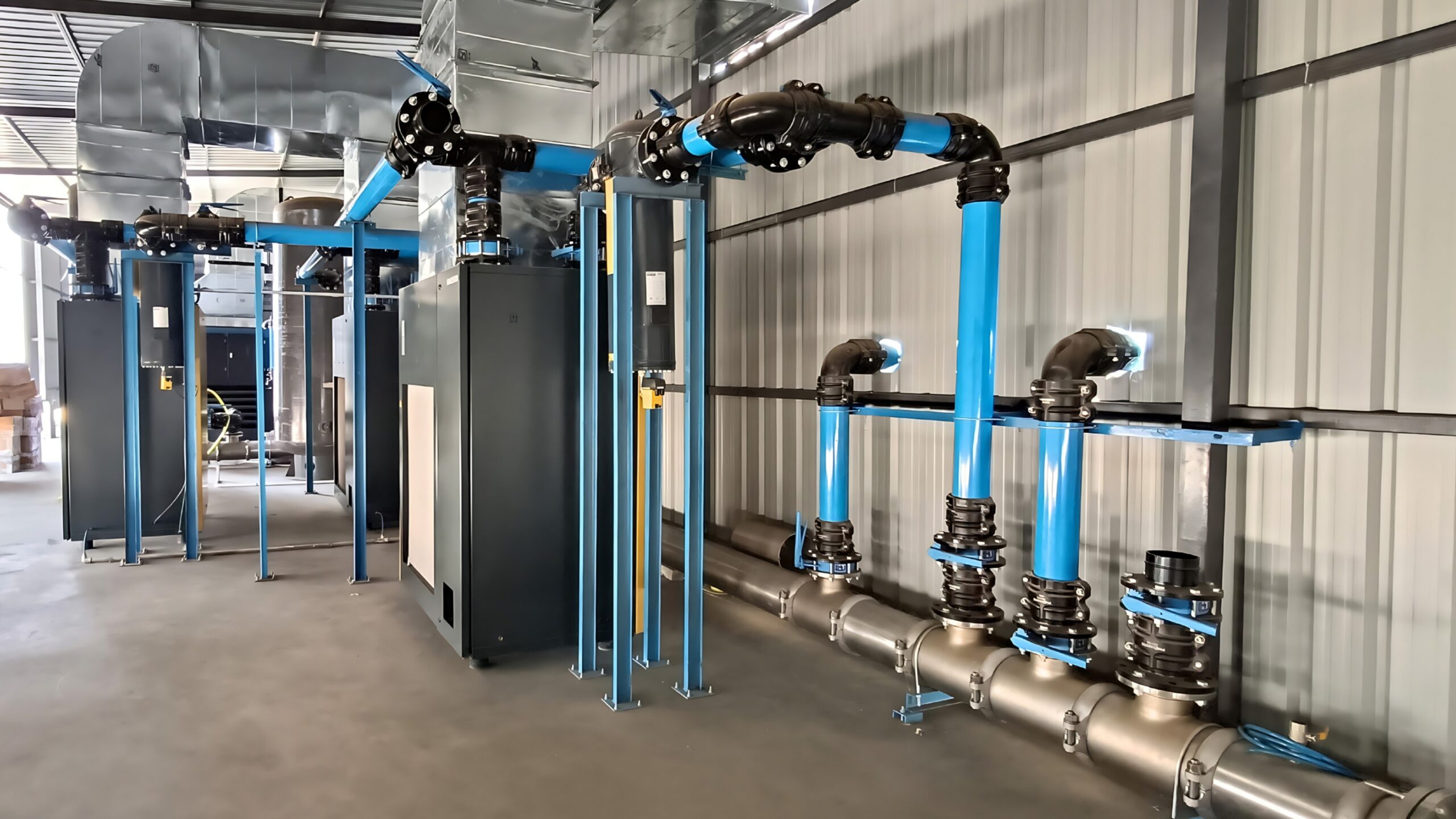
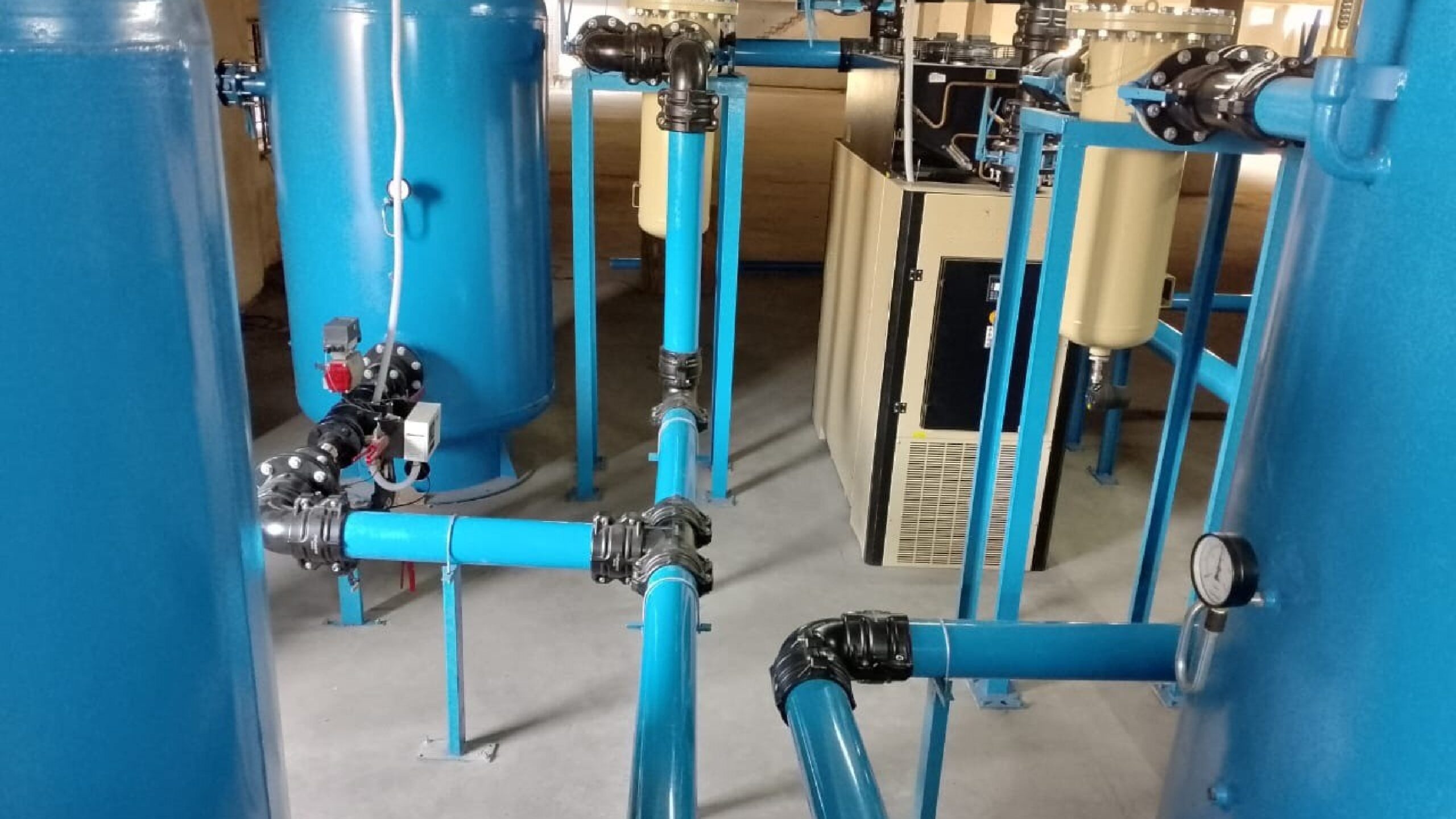
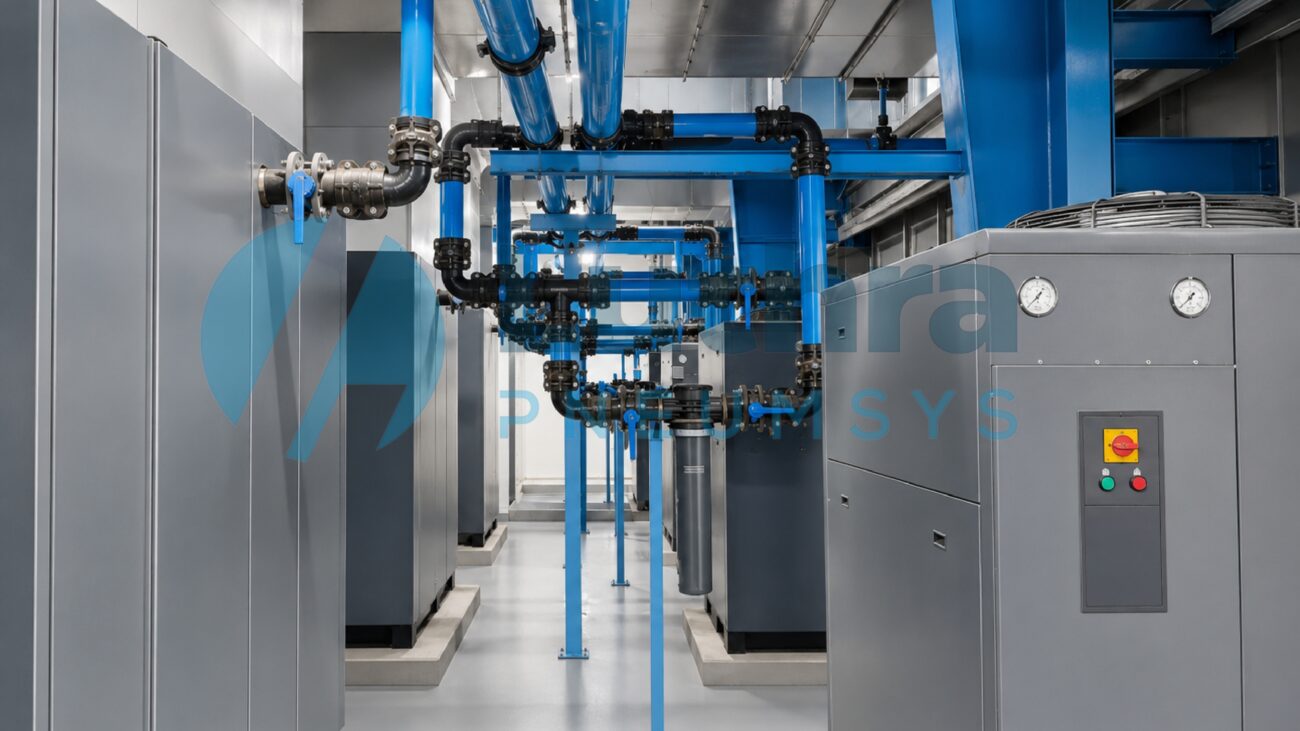
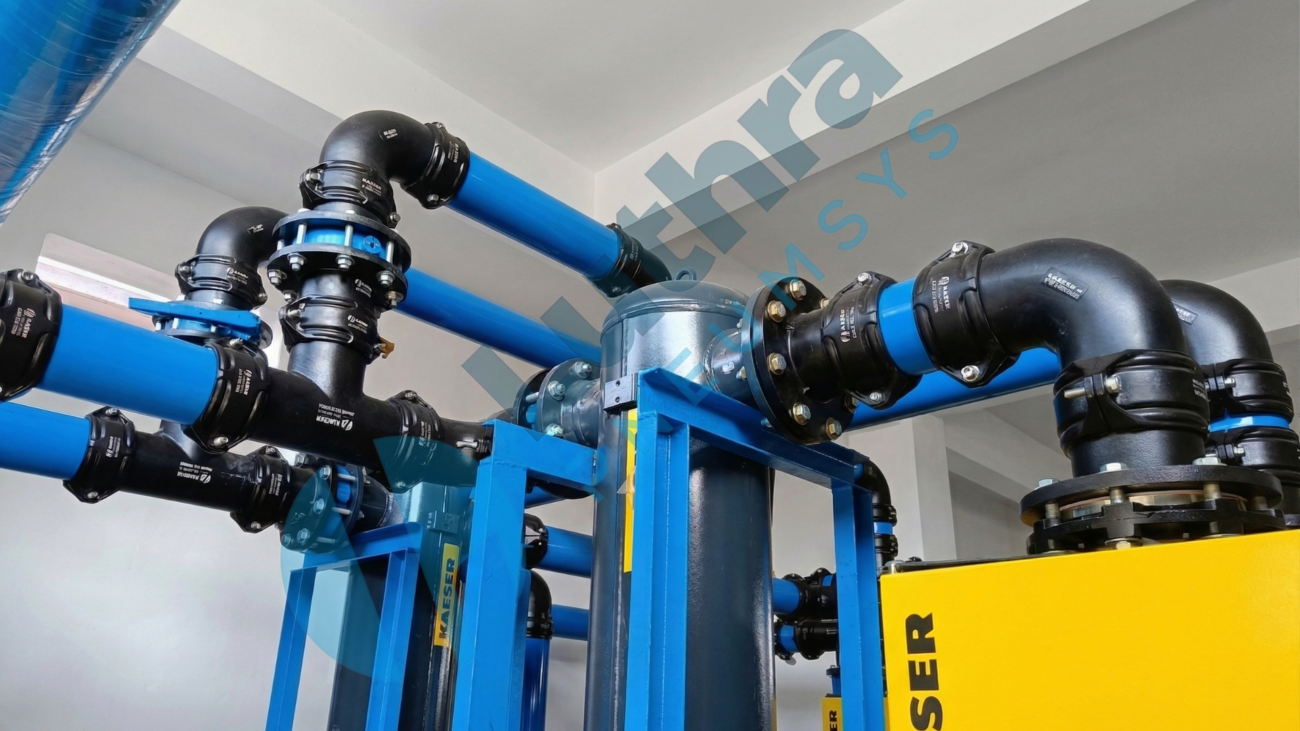
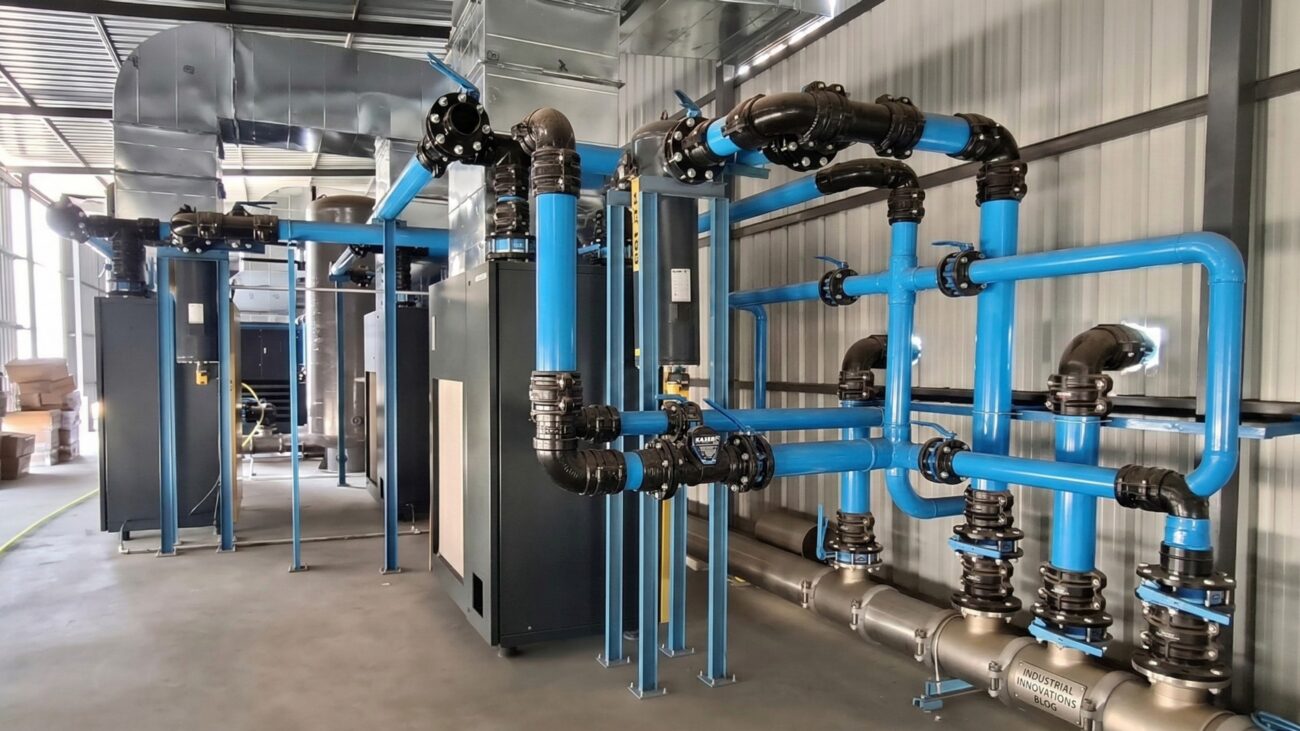
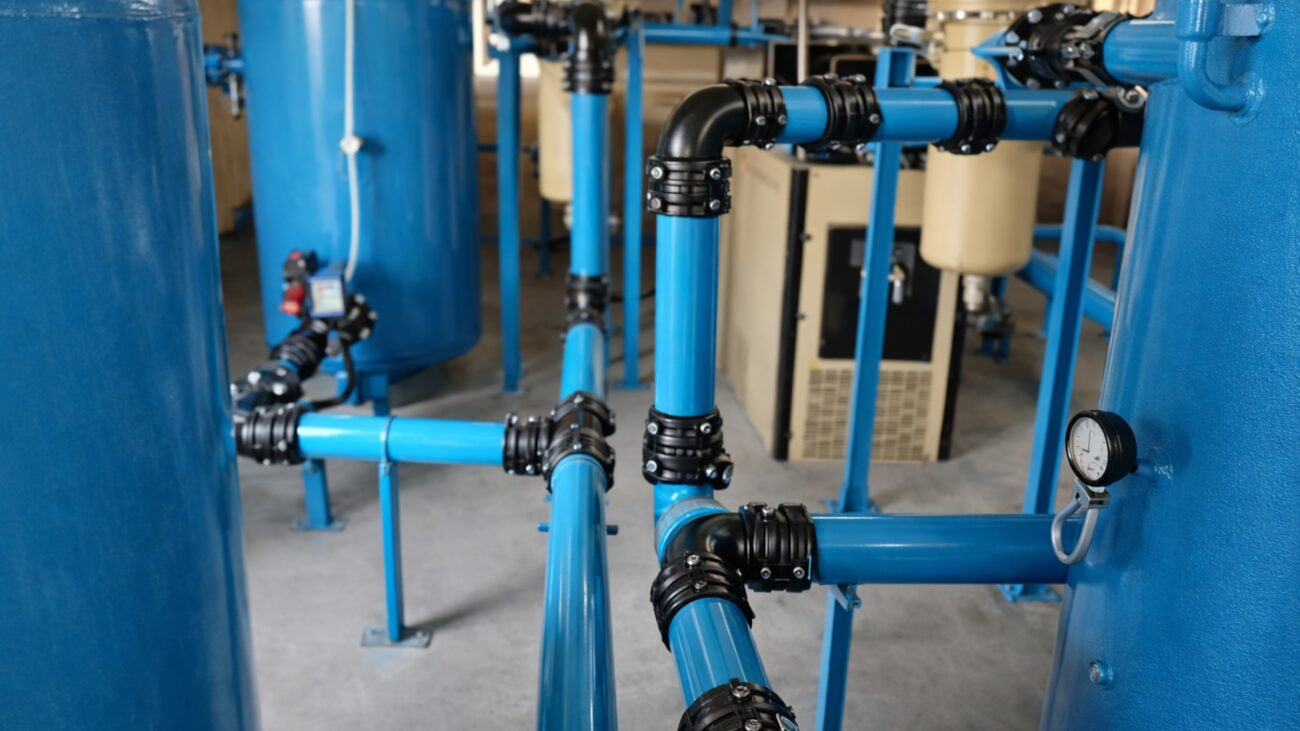
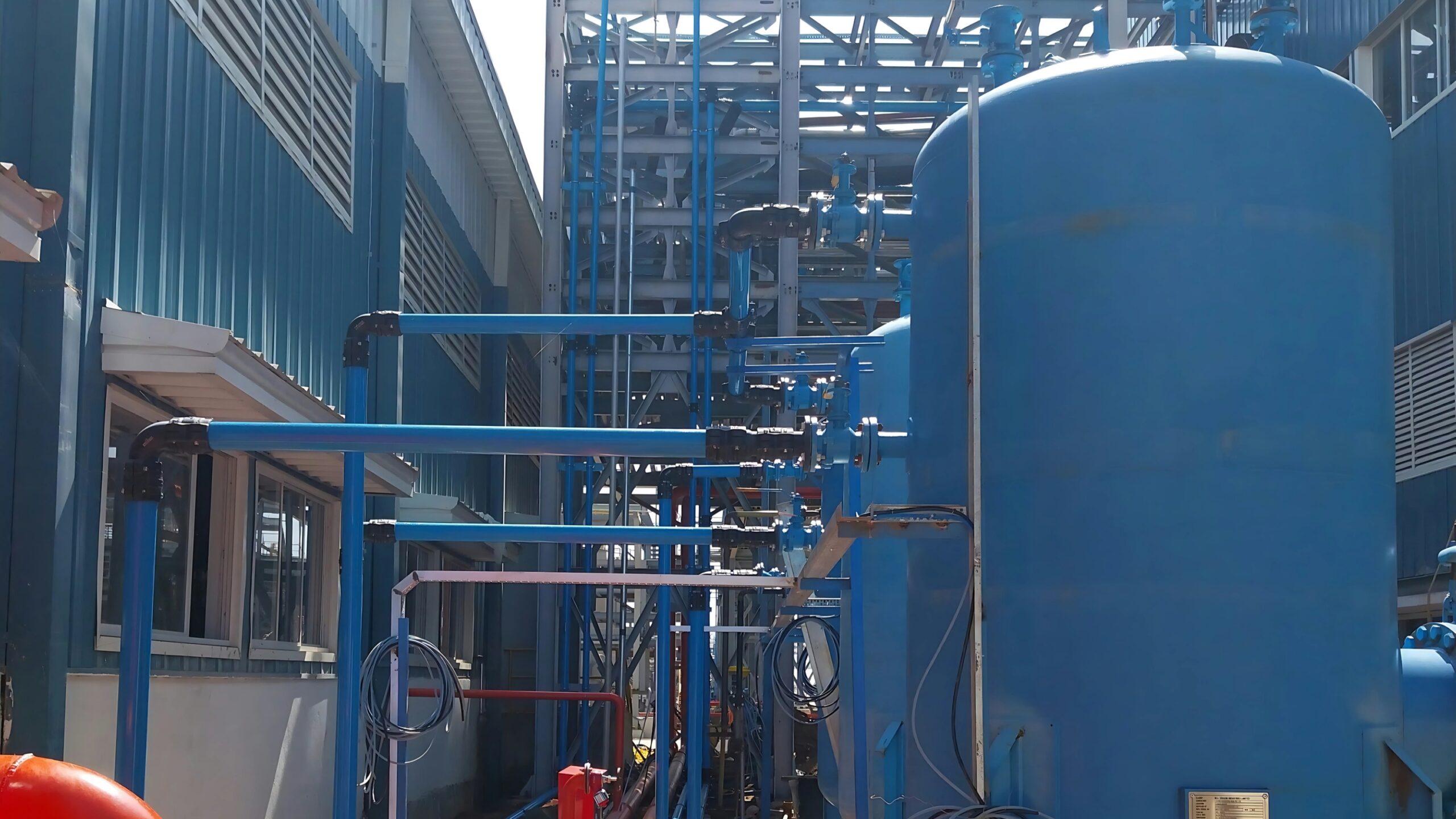
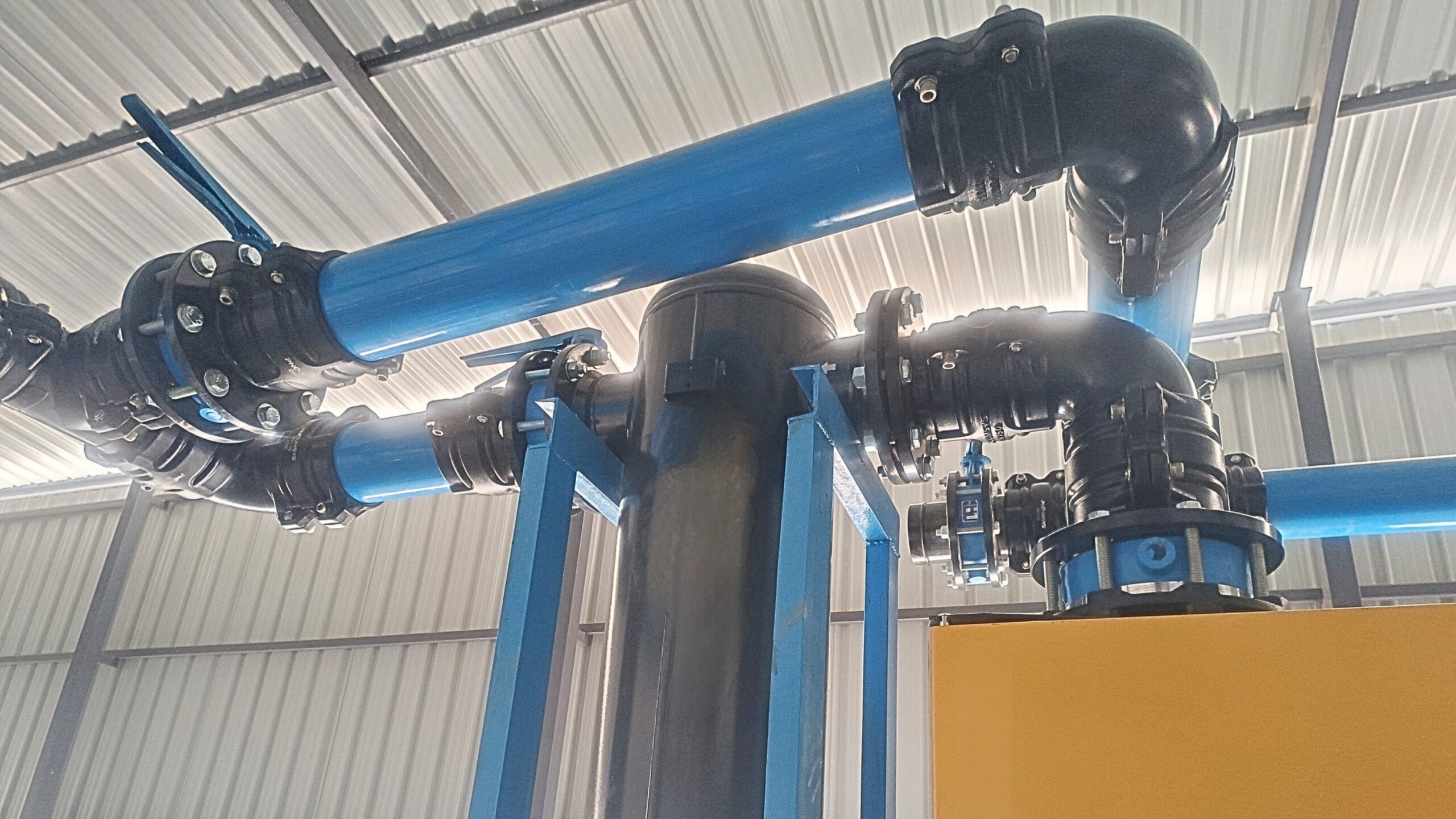
Our aluminium air pipeline systems incorporate advanced sealing and are compatible with high-performance filters and dryers. Key benefits include:
- Corrosion-free aluminium construction: no rust flakes or internal buildup
- Condensation-free design: smooth bore and proper slope help drain moisture
- Smooth inner walls for clean flow: fewer sites for accumulation
- Compatibility with filtration and drying systems: clean, dry oil-free air delivery
Industries That Need Clean Air
- Pharmaceuticals: avoiding contamination in cleanrooms
- Food & beverage: maintaining hygiene and food-grade air standards
- Electronics: dust-free and moisture-free air for delicate circuits
- Automotive: flawless painting, finishing and precision machining
Energy and Maintenance Benefits
A clean air system not only protects your machines and products — it reduces unplanned downtime, extends component life and therefore lowers total cost of ownership.
Why Choose Luthra Pneumsys
Because our compressed air solutions deliver pure, consistent air quality that meets international standards — ideal for demanding industries that cannot compromise. Clean air isn’t a luxury — it’s a necessity.
FAQ
Q: How does moisture inside piping affect performance?
A: Moisture leads to corrosion, reduced pipe diameter, increased turbulence, and pressure drop — all of which increase energy consumption.
Q: Can I use existing piping if I upgrade my filtration and dryer?
A: You can, but if your piping is corroded or internally rough, you’ll still struggle with pressure drop and contamination. Upgrading to smooth aluminium pipelines is a smarter long-term investment.
Q: Are there industry standards for compressed air cleanliness?
A: Yes — many industries follow standards such as ISO 8573 for compressed air quality. Integrating high-quality piping makes meeting such standards more straightforward.