In almost every manufacturing plant, compressed air quietly powers day-to-day operations. It runs tools, supports automation, and keeps production moving. Yet many factories still rely on old steel pipelines—systems that were installed years ago and are now costing more than they should.
As Indian industries modernize, plant managers are realizing that compressors alone cannot deliver efficiency. The real difference comes from the distribution network. This is where compressed air aluminium piping is proving to be a smarter, more reliable alternative to traditional steel systems.
At Luthra Pneumsys, we work closely with manufacturers across India who are upgrading their compressed air infrastructure. Again and again, the shift from steel to aluminium piping delivers better performance, lower energy bills, and far fewer maintenance headaches.
Why Traditional Steel Compressed Air Pipelines Create Problems
Steel piping was once the standard choice for compressed air systems. Over time, however, its weaknesses become difficult to manage—especially in continuous-operation environments.
Moisture inside compressed air causes steel pipes to corrode from the inside. This leads to rust flakes entering the air stream, damaging pneumatic tools and affecting product quality. As corrosion builds up, the internal diameter of the pipe reduces, creating higher friction and pressure loss.
Steel systems also depend on welded or threaded joints. As these joints age, they begin to leak. Even small leaks force compressors to run longer and harder, increasing electricity consumption and accelerating equipment wear.
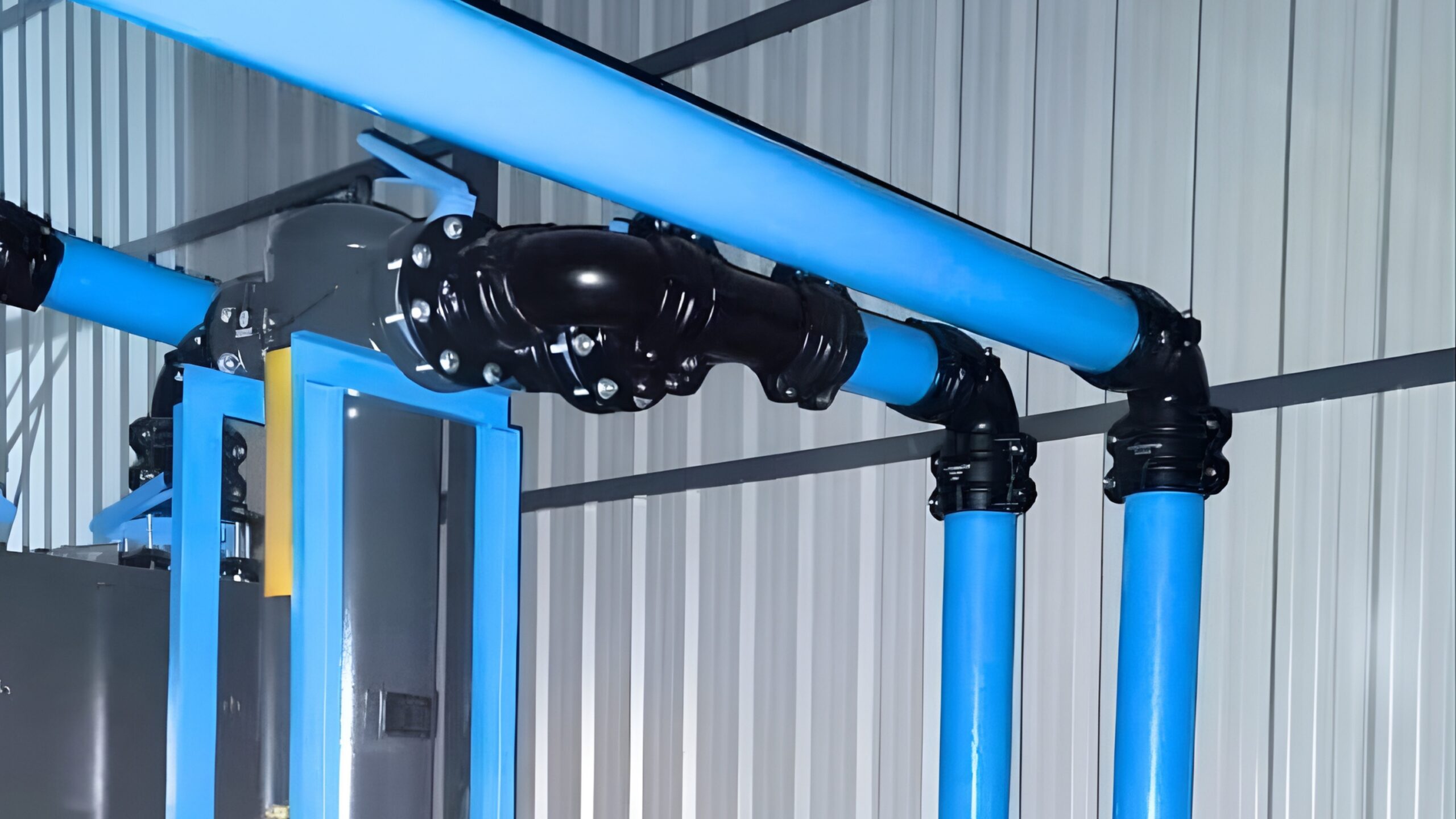
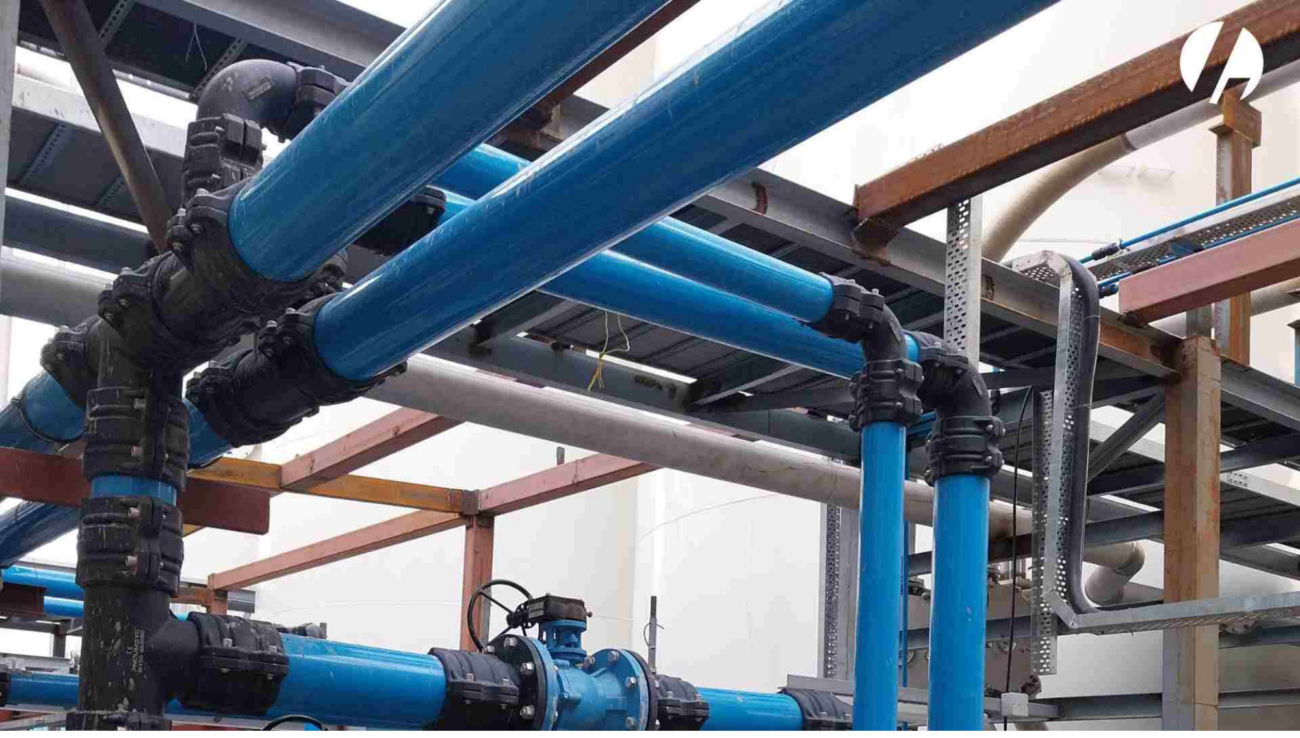
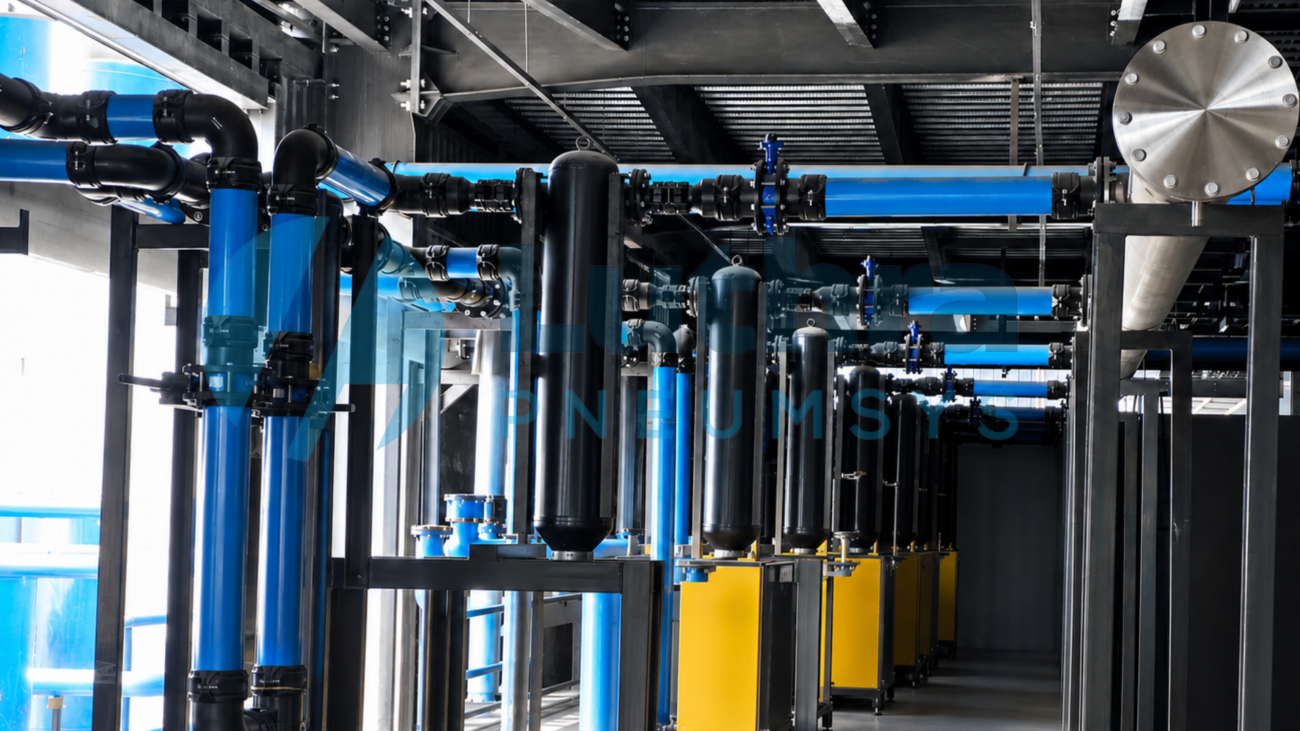
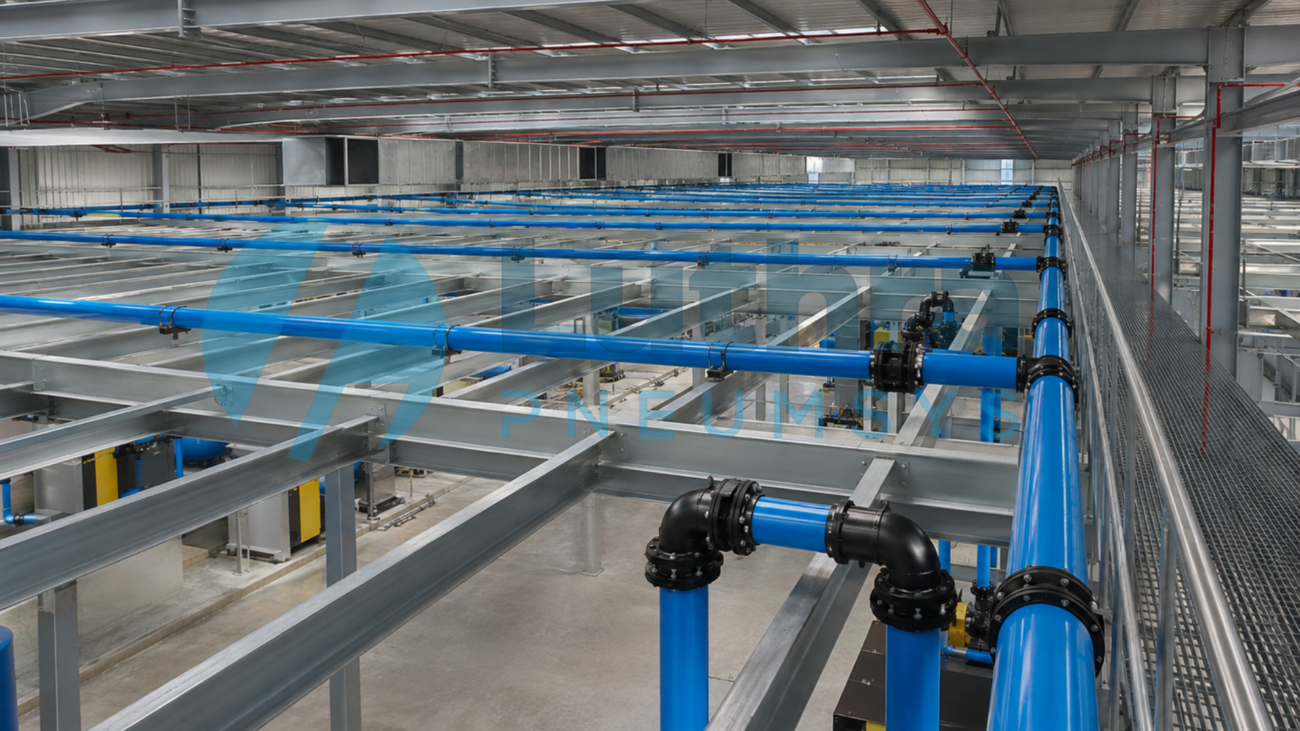
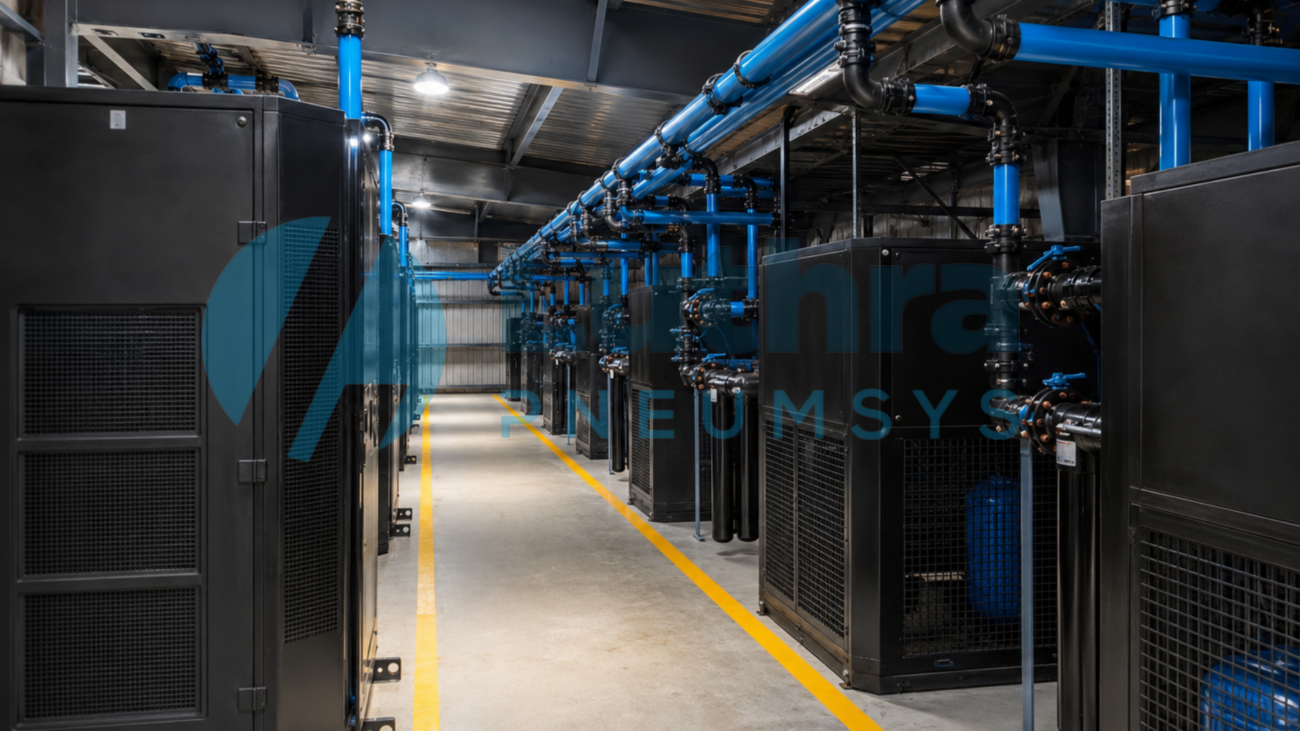
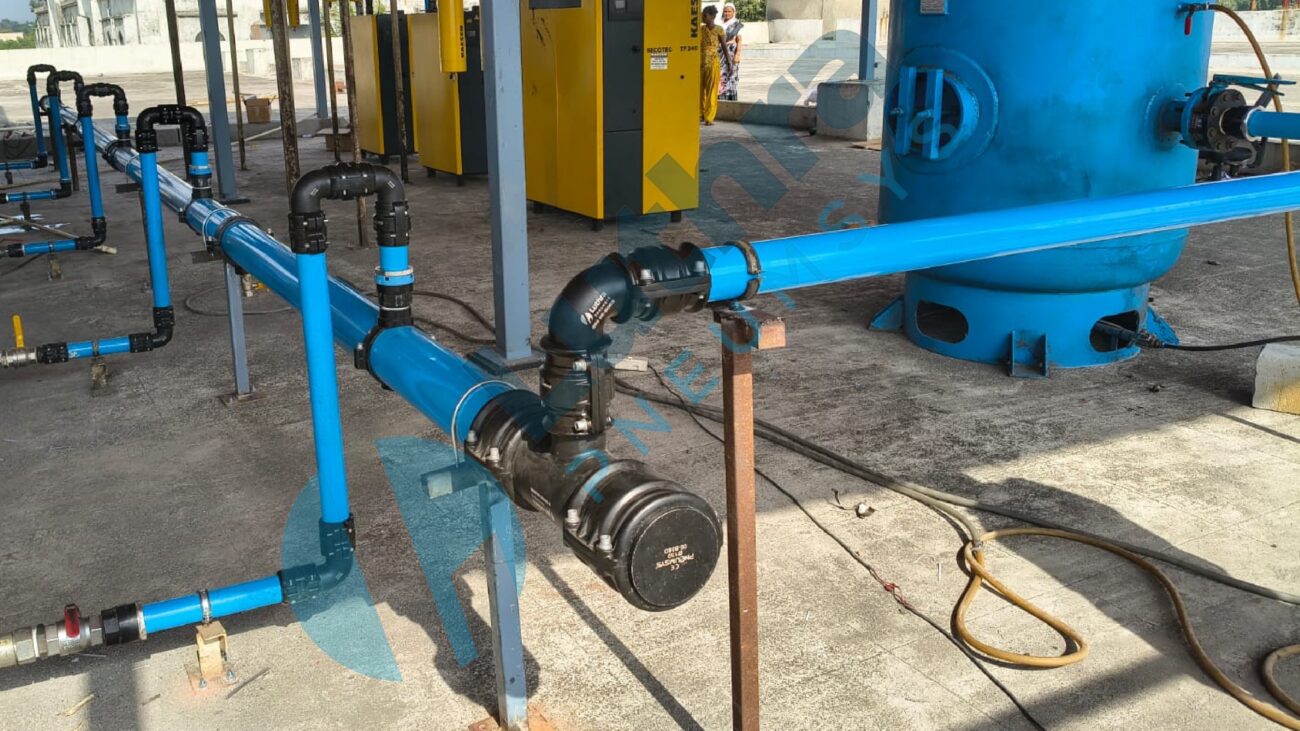
Aluminium is now the industry standard for comprehensive compressed air piping systems; our high-performance Compressed Air Aluminium Piping provides a lightweight, anti-corrosive solution that is exceptionally easy to handle and install.
Compressed Air Aluminium Piping: Designed for Today’s Industry
Compressed air aluminium piping systems are designed to eliminate the most common issues found in steel pipelines. Aluminium does not rust, remains structurally stable, and maintains clean internal surfaces throughout its life.
Because aluminium piping is lightweight and modular, it can be installed faster and with far less disruption to production. Once installed, the system continues to deliver stable pressure and clean airflow without the gradual performance drop seen in steel systems.
At Luthra Pneumsys, our aluminium piping solutions are built specifically for Indian operating conditions—high temperatures, long operating hours, and frequent layout changes.
Aluminium vs Steel Compressed Air Piping: What Really Matters
Corrosion Resistance
Steel corrodes internally, contaminating compressed air and shortening system life. Aluminium is naturally corrosion-resistant, ensuring clean air and consistent performance over many years.
Installation and Handling
Steel piping is heavy and requires welding, skilled manpower, and shutdown time. Aluminium piping is lightweight and uses push-fit connections, allowing quicker installation and easier modifications.
Air Quality
Rust and scale from steel pipelines affect air quality, especially in food, pharma, and electronics manufacturing. Aluminium piping keeps air clean and contamination-free.
Pressure Drop and Flow
Corroded steel pipes increase pressure loss over time. Aluminium’s smooth internal bore maintains high flow efficiency and stable pressure across the system.
Energy Consumption
Leaks and pressure drops in steel systems raise compressor energy use. Compressed air aluminium piping minimizes leakage, reducing power consumption and operating costs.
Maintenance and Lifetime Cost
Steel requires frequent maintenance and early replacement. Aluminium systems last longer, need less upkeep, and offer a much lower total cost of ownership.
Key Benefits of Compressed Air Aluminium Piping
Leak-Proof Push-Fit Technology
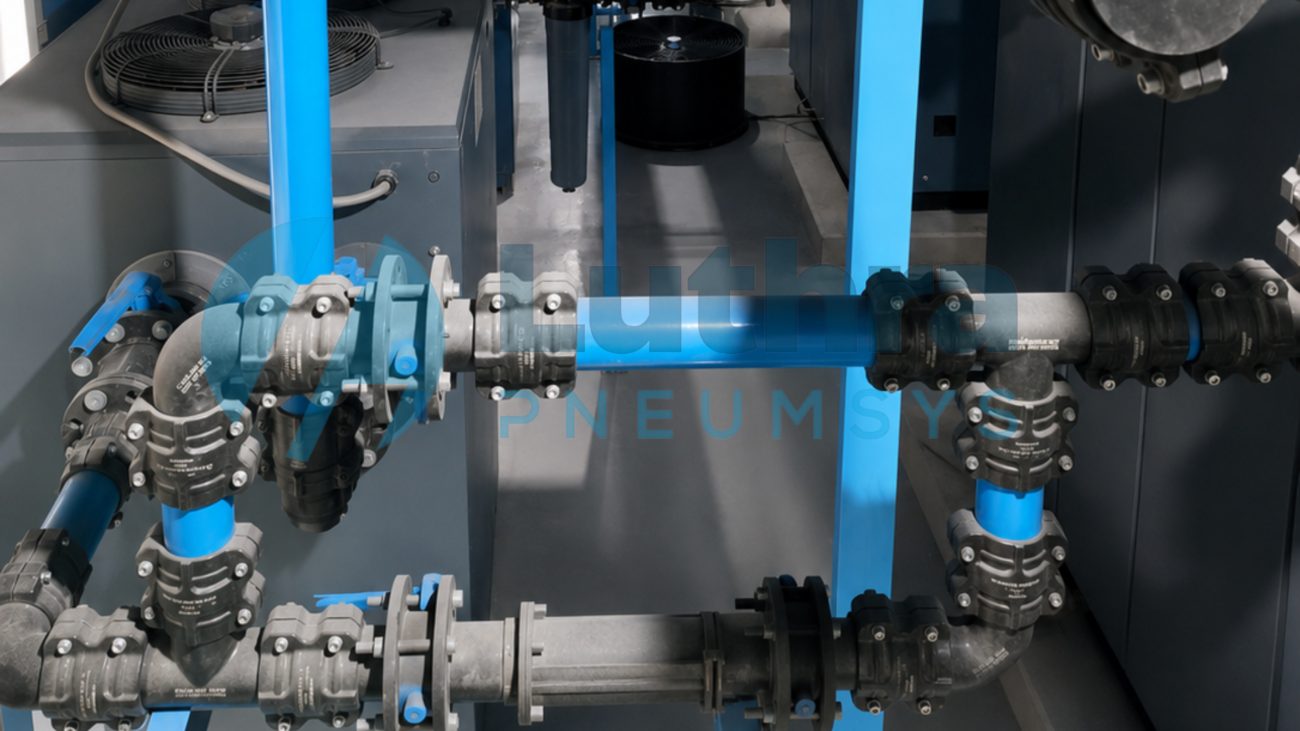
Luthra Pneumsys aluminium piping systems use precision push-fit connections that eliminate welding and threading. This greatly reduces air leakage and improves system efficiency.
Lightweight and Modular Design
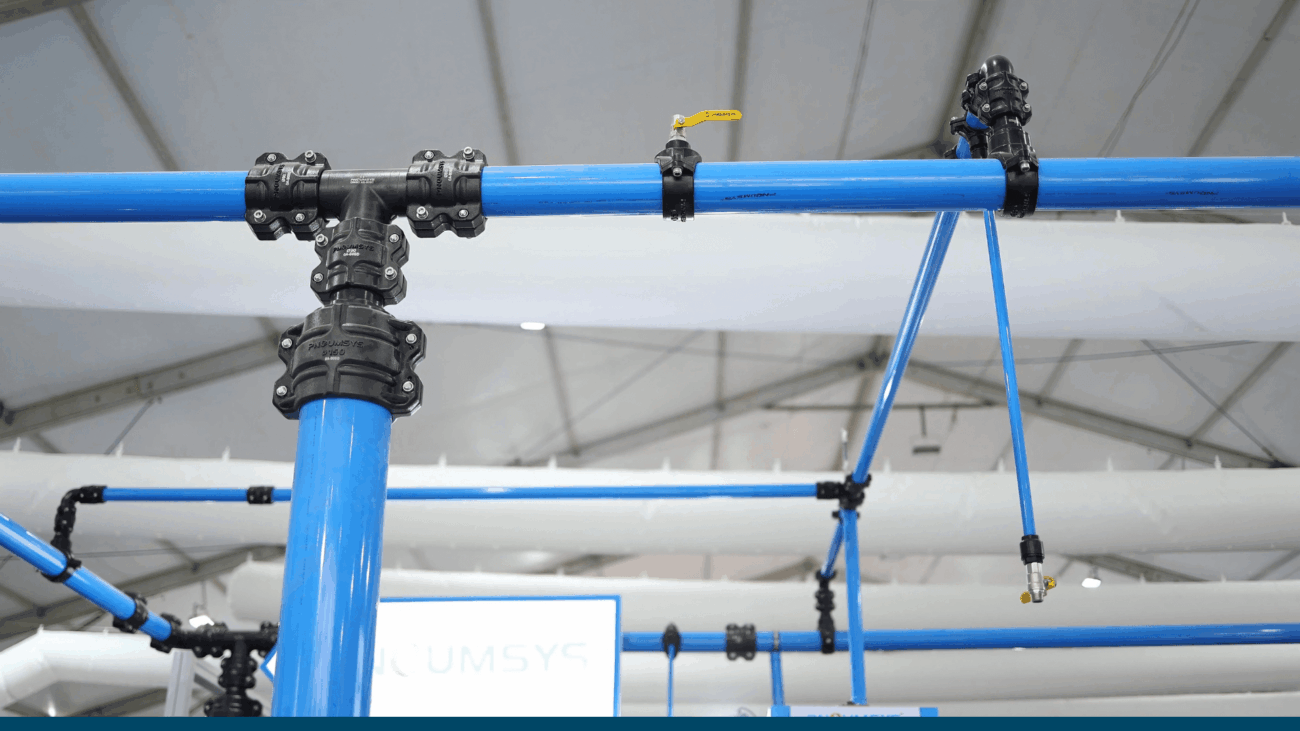
The modular structure makes expansion simple. New machines or production lines can be added without redesigning the entire system.
High Flow Efficiency
Smooth internal pipe surfaces reduce friction, allowing compressed air to flow freely and evenly throughout the plant.
Energy-Efficient Operation
With fewer leaks and lower pressure drops, compressors operate more efficiently, delivering measurable energy savings.
Scalable and Reusable
Aluminium piping can be dismantled, reconfigured, and reused—ideal for growing or evolving manufacturing facilities.
Energy Efficiency and Sustainability for Indian Manufacturing
Compressed air can consume up to 30% of a plant’s total electricity usage. Any inefficiency in the piping network directly increases power costs.
By switching to compressed air aluminium piping, manufacturers reduce air losses and maintain stable pressure levels. This lowers compressor load, cuts electricity bills, and supports sustainable manufacturing goals.
Reduced energy use also means a lower carbon footprint—an important consideration for modern Indian industries focused on long-term efficiency and compliance.
Where Aluminium Piping Clearly Outperforms Steel
Automotive Manufacturing
Consistent air pressure is critical for assembly tools and automation systems. Aluminium piping delivers reliable airflow with minimal downtime.
Food and Beverage
Clean, rust-free compressed air is essential. Aluminium piping helps maintain hygiene and product safety.
Pharmaceutical Plants
Stable, contamination-free air is non-negotiable. Aluminium piping supports strict quality requirements.
Electronics and Precision Engineering
Even small contaminants can cause defects. Aluminium piping ensures clean and dry air.
Textile, Printing, and CNC Workshops
Stable pressure improves machine performance and reduces operational interruptions.
Why Industries Choose Luthra Pneumsys
At Luthra Pneumsys, we don’t believe in one-size-fits-all solutions. Every factory has different challenges, layouts, and growth plans.
As an Indian manufacturer and supplier of aluminium compressed air piping systems, we provide complete solutions—from system design and layout planning to installation and long-term support. Our focus is on reliability, efficiency, and practical performance.
This approach has made Luthra Pneumsys a trusted partner for industries upgrading from steel to aluminium piping across India.
Conclusion: A Practical Upgrade with Long-Term Benefits
The move from steel to compressed air aluminium piping is driven by real operational needs—lower energy costs, cleaner air, and reduced maintenance.
For manufacturers looking to future-proof their plants, aluminium piping offers a clear advantage. It delivers consistent performance today and continues to do so for years to come.
With Luthra Pneumsys aluminium compressed air piping systems, industries gain efficiency, reliability, and confidence in their compressed air infrastructure.
Frequently Asked Questions
1. Is aluminium piping suitable for high-pressure compressed air systems?
Yes. Aluminium piping systems are designed to safely handle industrial pressure requirements.
2. Can aluminium piping reduce electricity costs?
Yes. Reduced leakage and lower pressure loss lead to noticeable energy savings.
3. Can aluminium piping be added to existing steel systems?
Yes. Many plants upgrade in stages, integrating aluminium piping without major downtime.
4. Is aluminium piping safe for food and pharma applications?
Absolutely. Its corrosion-free and hygienic properties make it ideal for sensitive industries.
5. Does Luthra Pneumsys provide installation and after-sales support?
Yes. We offer complete end-to-end support across India.