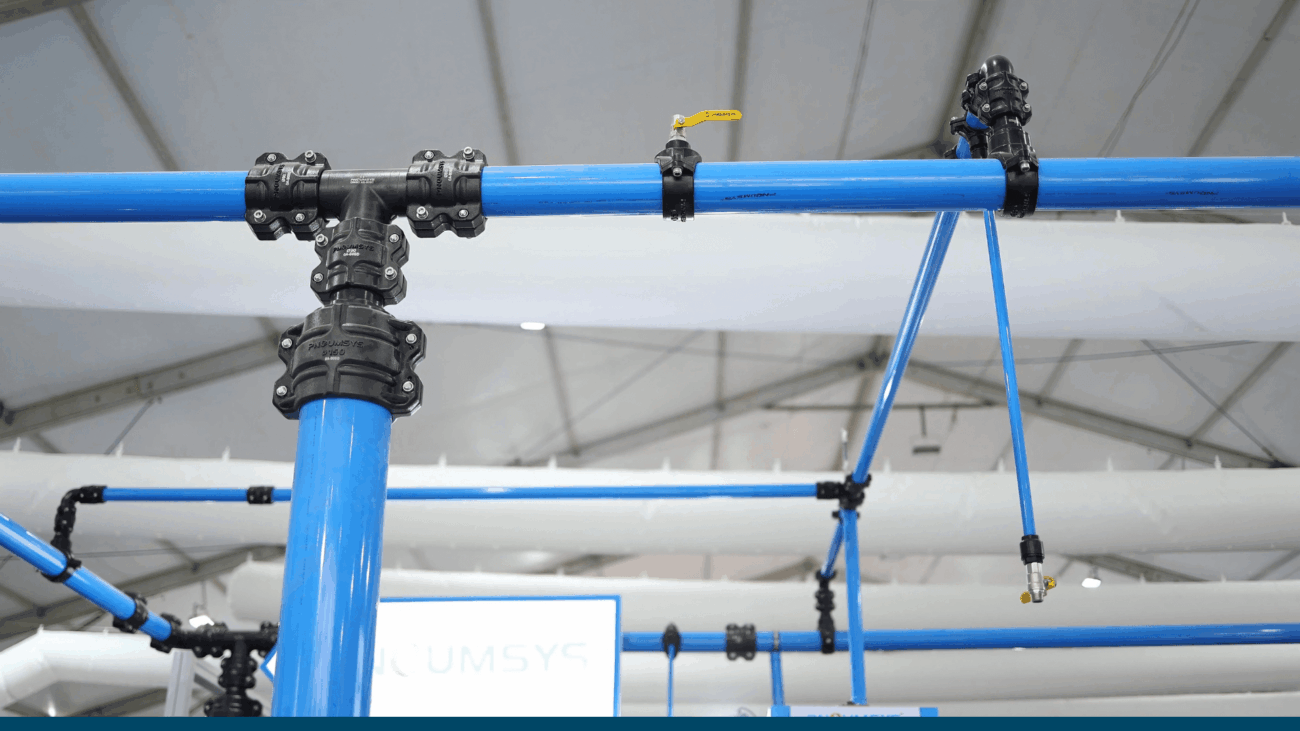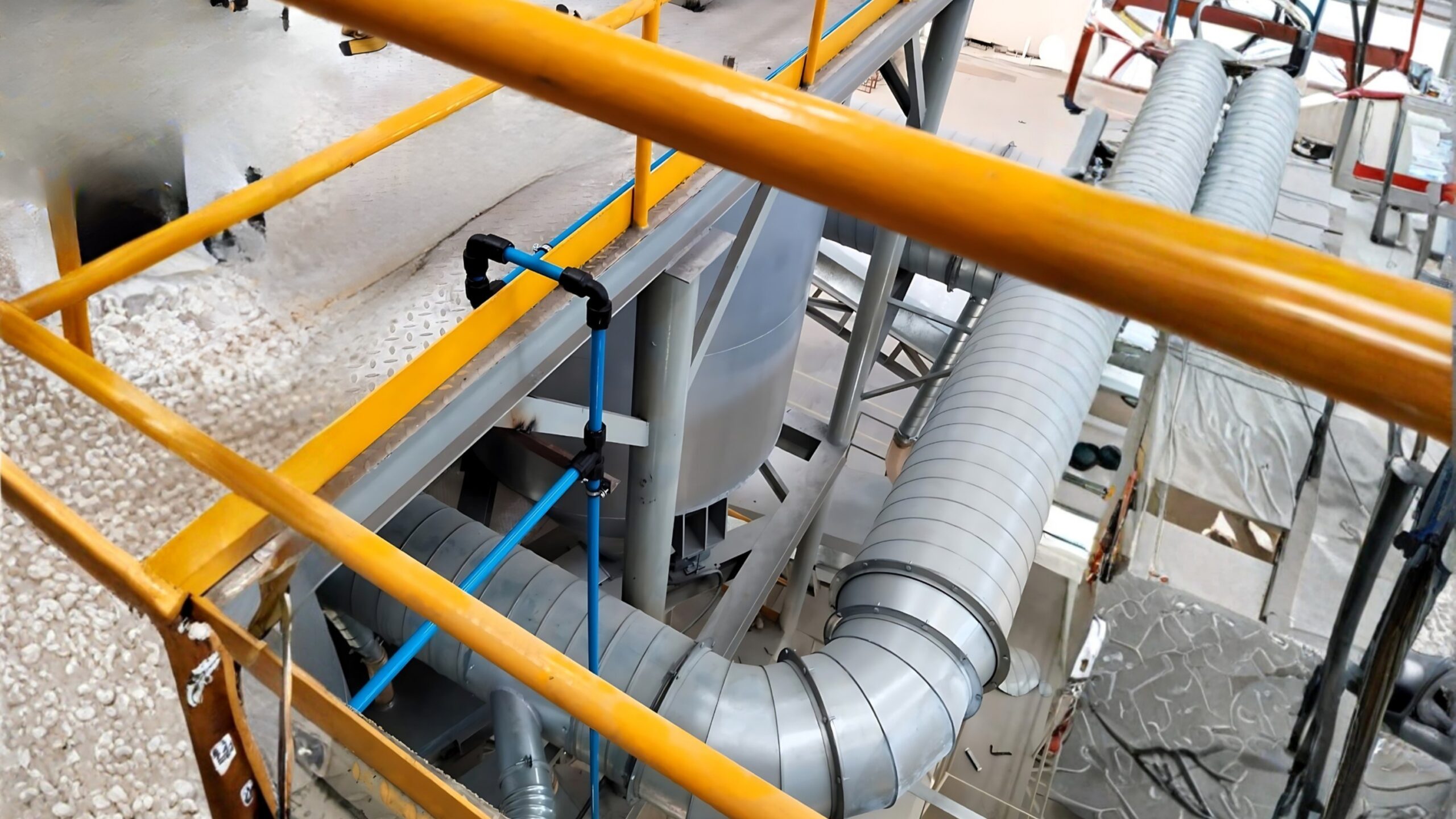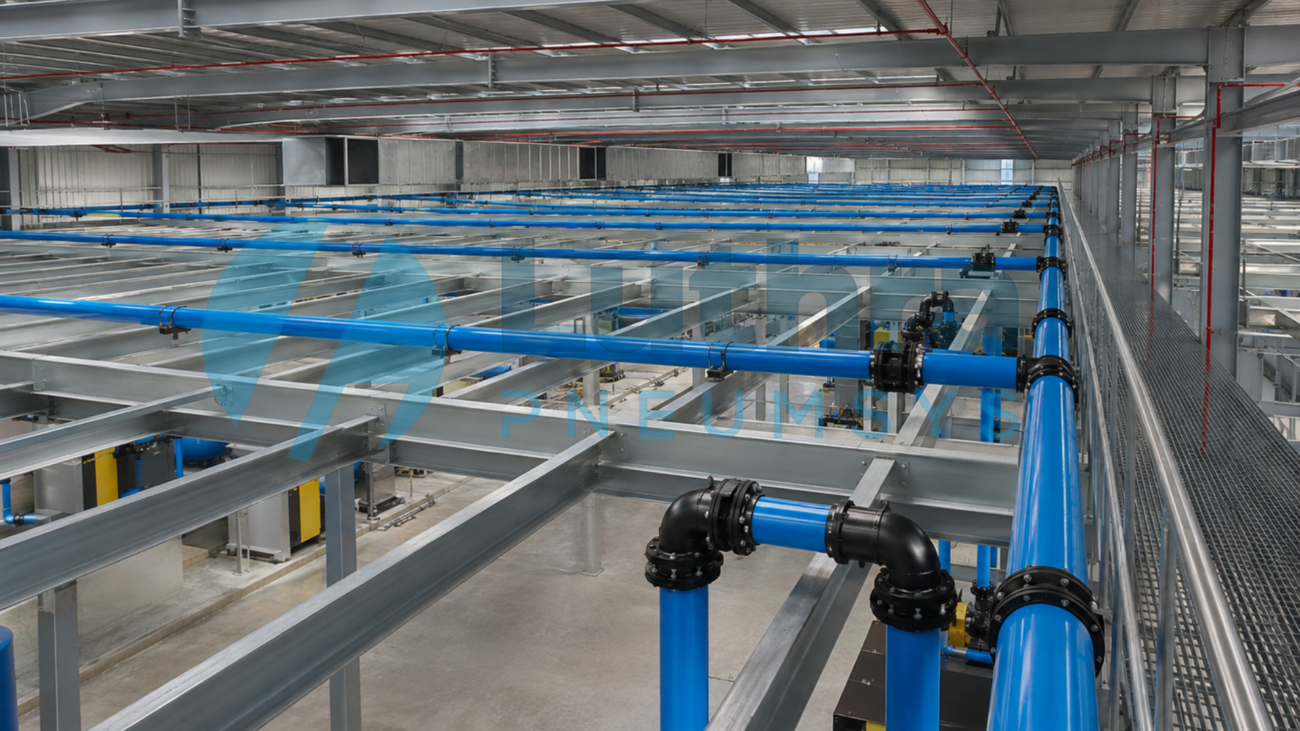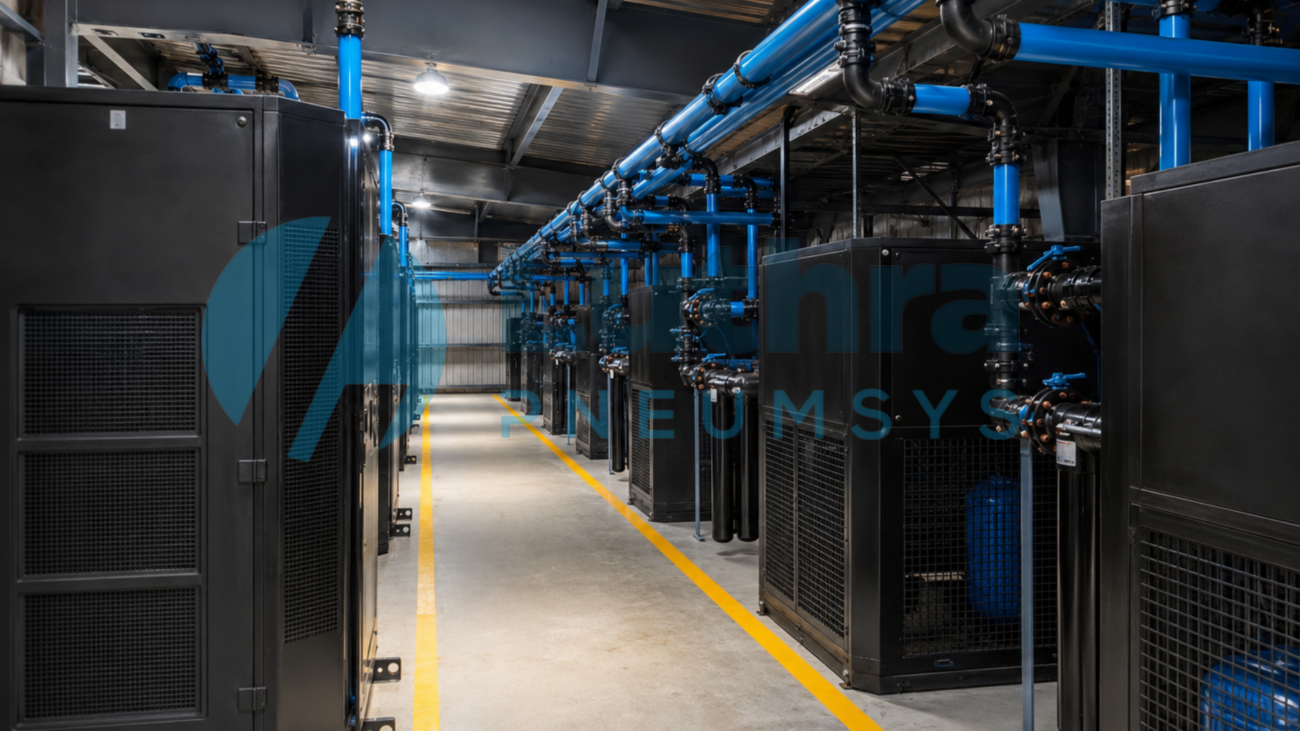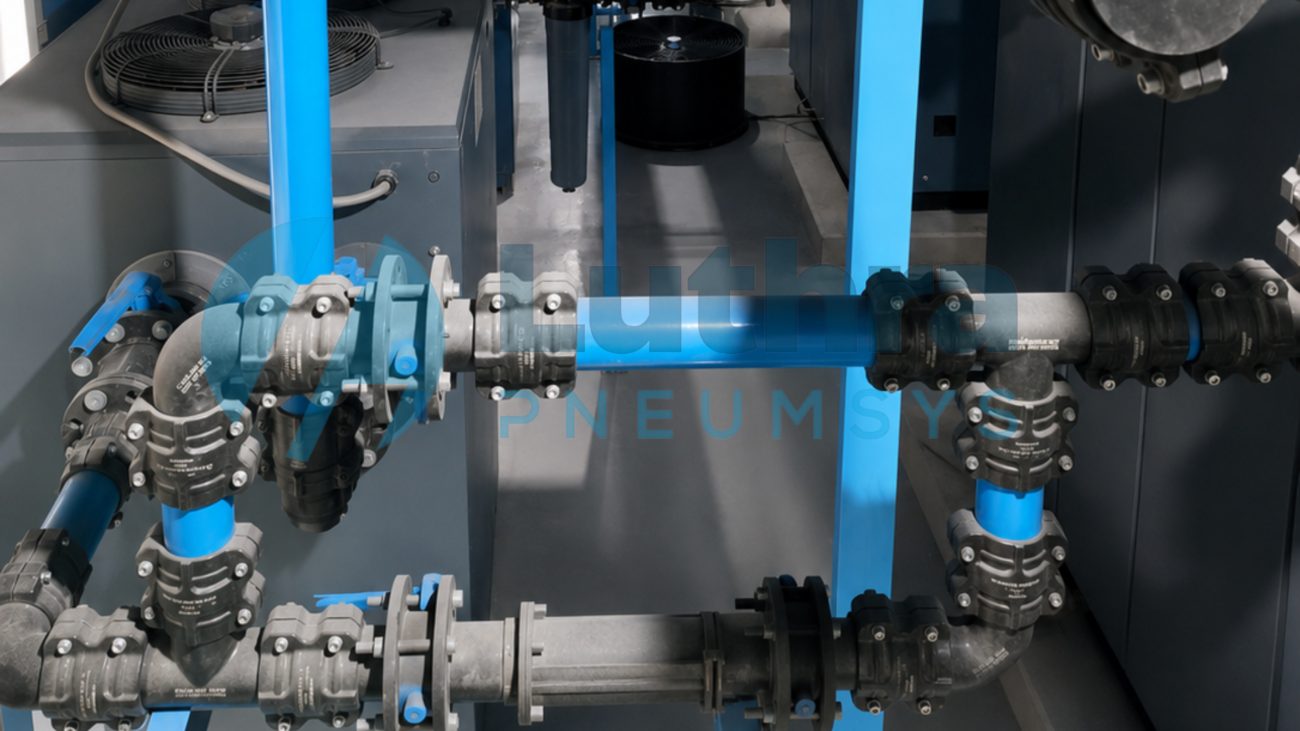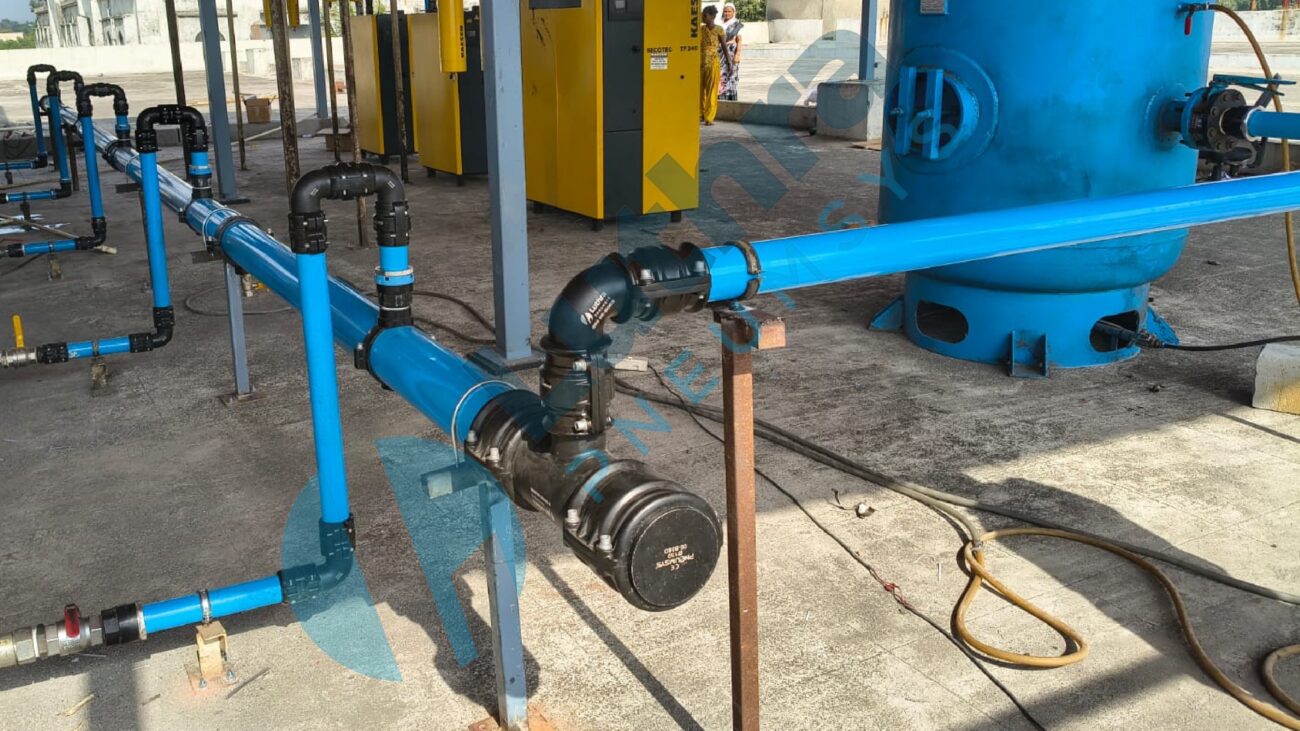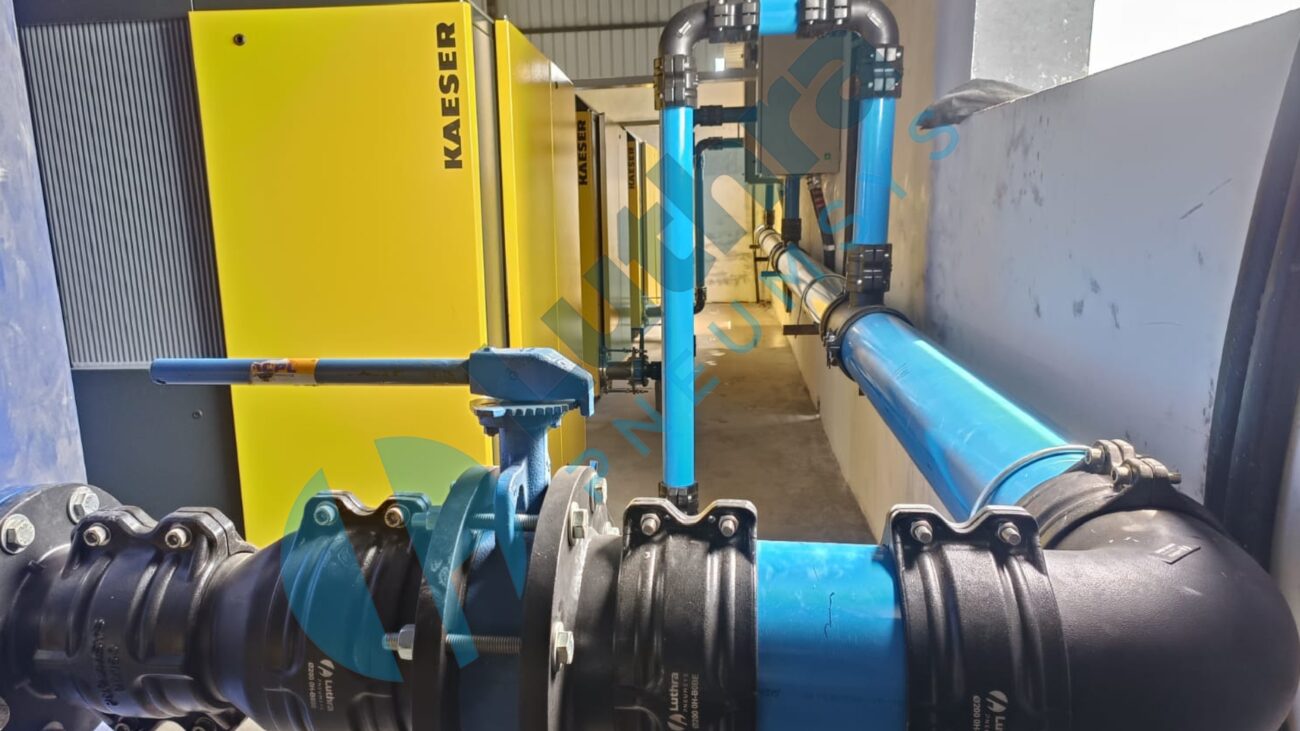
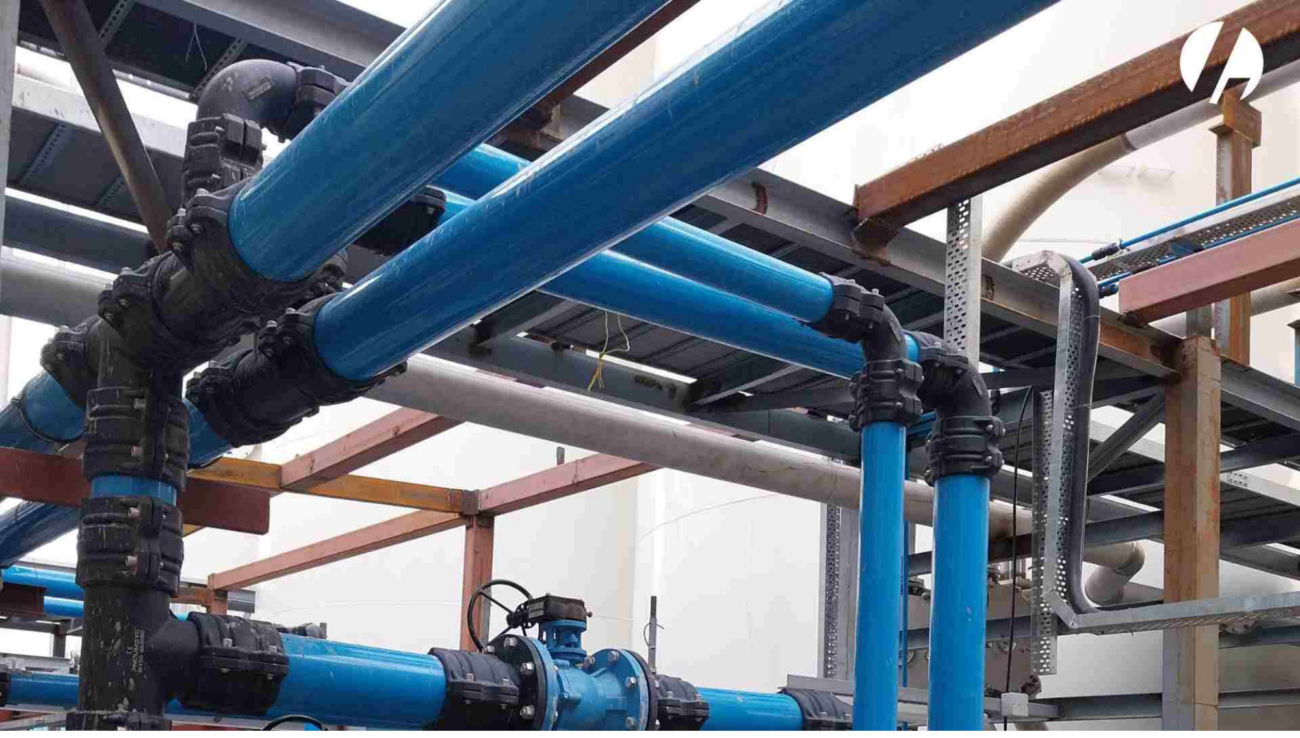
Compressed air aluminium piping is widely considered the most efficient solution for industrial compressed air systems due to its corrosion resistance, smooth internal bore, low pressure drop, and modular installation design. Compared to traditional steel piping, aluminium piping significantly reduces energy loss, leakage, and long-term maintenance costs.
Compressed Air: The Hidden Energy Drain in Factories
Compressed air is often called the fourth utility in manufacturing—after electricity, water, and gas. However, unlike other utilities, its inefficiencies remain largely invisible. Studies across industrial plants consistently show that 20–30% of compressed air energy is lost before it ever reaches the point of use.
While compressors and dryers receive most of the attention, the piping network is where long-term energy loss, pressure drop, and contamination actually originate. This is where the choice between steel and compressed air aluminium piping becomes critical.
Why Traditional Steel Piping Is No Longer Ideal
For decades, GI and MS pipes were used by default in industrial compressed air systems. While they appear strong and economical initially, they introduce several long-term problems:
- Internal corrosion and rust formation
- Increasing pressure drop over time
- Frequent leaks at threaded joints
- High installation and modification costs
As production volumes increase and energy costs rise, these limitations directly impact plant efficiency and operating expenses.
1. Zero Corrosion = Reliable Air Quality
One of the biggest advantages of aluminium piping is its natural resistance to corrosion.
Unlike steel, aluminium does not rust internally. This ensures:
- Clean compressed air delivery
- Protection of pneumatic tools and valves
- Reduced moisture-related failures
This is especially important for industries such as:
- Food & beverage
- Pharmaceuticals
- Electronics
- Automotive paint shops
Clean air also supports compliance with ISO 8573-1 air quality standards, which are increasingly required during audits and customer inspections.
2. Lower Pressure Drop Means Real Energy Savings
Pressure drop inside a compressed air system directly translates into higher electricity consumption.
Key engineering fact:
A 1 bar pressure drop increases compressor energy usage by approximately 7%.
Compressed air aluminium piping offers:
- A smooth internal bore
- No internal scaling or rust buildup
- Consistent internal diameter throughout its lifecycle
This allows plants to operate compressors at lower discharge pressures while maintaining performance at the point of use—resulting in measurable, recurring energy savings.
3. Lightweight & Modular Design Improves Installation Efficiency
Aluminium piping weighs roughly one-third of traditional steel pipes, which significantly simplifies handling and installation.
Practical benefits:
- No welding or threading required
- Faster installation and commissioning
- Reduced labor dependency
- Safer installation (no hot work permits)
For brownfield factories or MSMEs, modular compressed air aluminium piping systems allow upgrades with minimal production downtime—something steel systems struggle to achieve.
4. Leak-Free Connections Reduce Wasted Air
Air leakage is one of the most expensive yet overlooked issues in compressed air systems.
Traditional threaded steel joints:
- Loosen over time
- Develop micro-leaks
- Require frequent retightening
Modern aluminium piping systems use push-fit or groove-fit connectors, which:
- Provide consistent sealing
- Minimize leakage
- Support high-pressure applications (up to 70 bar)
Even a small leak can cost thousands annually in wasted energy, making leak-free design a critical advantage.
5. Lifecycle Cost Comparison: Aluminium vs Steel
When evaluated over the full system lifecycle, aluminium clearly outperforms steel.
| Parameter | Aluminium Piping | GI / MS Piping |
|---|---|---|
| Corrosion | None | High |
| Pressure Drop | Low | Increases over time |
| Installation Time | Fast | Slow |
| Leakage Risk | Very Low | High |
| Maintenance | Minimal | Frequent |
| Lifecycle Cost | Low | High |
This explains why compressed air aluminium piping has become the preferred choice for modern, energy-conscious factories.
6. Scalability for Growing Industrial Plants
Manufacturing layouts evolve continuously. New machines, additional air drops, and process changes demand flexible infrastructure.
Aluminium piping allows:
- Easy reconfiguration
- Quick additions without system shutdown
- Future-ready expansion
This scalability aligns well with Industry 4.0, lean manufacturing, and continuous improvement initiatives.
7. Why Leading Industries Are Switching to Aluminium
Across India, the USA, and global manufacturing hubs, engineers are replacing steel with compressed air aluminium piping because it directly addresses:
- Rising electricity costs
- Maintenance manpower shortages
- Stricter air quality requirements
- Safety and compliance standards
The decision is no longer about material cost—it’s about energy efficiency, reliability, and total cost of ownership.
Why Luthra Pneumsys Is a Trusted Name in Industrial Compressed Air Systems
In the Indian industrial landscape, Luthra Pneumsys has established itself as a specialist in compressed air aluminium piping and engineered compressed air distribution systems.
By focusing exclusively on industrial compressed air applications, Luthra Pneumsys delivers aluminium piping solutions designed to reduce pressure drop, minimize leakage, and improve overall system efficiency. Their modular aluminium piping systems are widely used across automotive, manufacturing, pharmaceuticals, and heavy engineering sectors.
Rather than offering generic piping products, the company emphasizes system performance, energy savings, and long-term reliability—the same factors engineers and plant managers prioritize.
Final Thoughts: Aluminium Is Not an Upgrade—It’s the Standard
If your plant is facing:
- High compressor power consumption
- Frequent air leaks
- Rust contamination in air lines
- Difficult or costly system modifications
Then switching to compressed air aluminium piping is not a luxury—it is a necessary modernization.
With proven performance benefits, faster installation, cleaner air delivery, and lower lifecycle costs, aluminium piping has become the global standard for industrial compressed air systems.