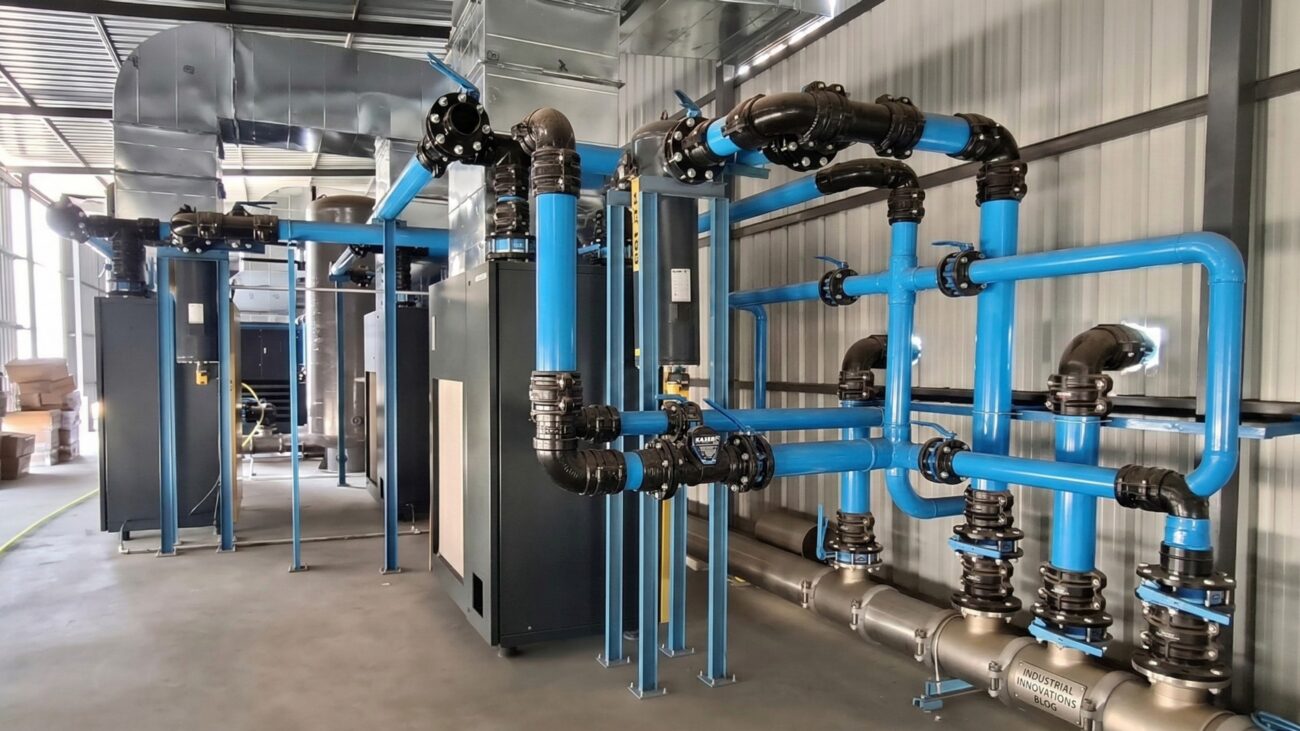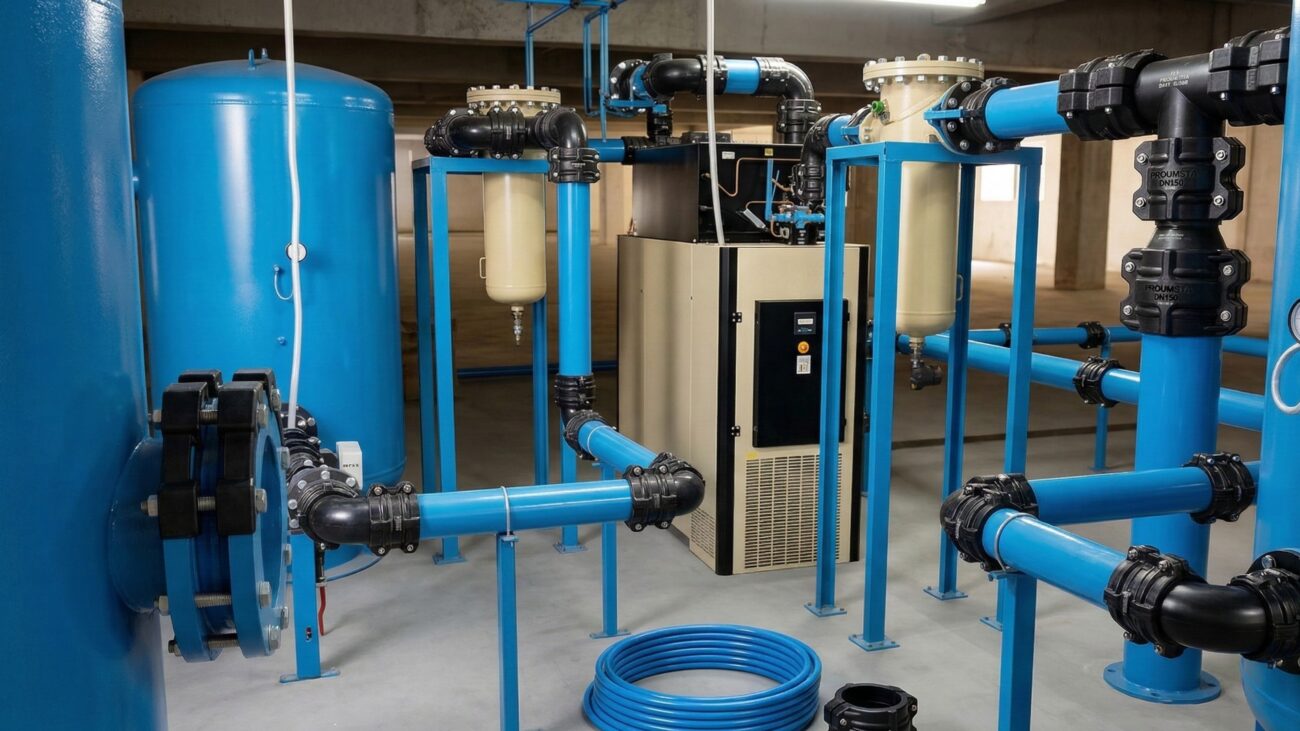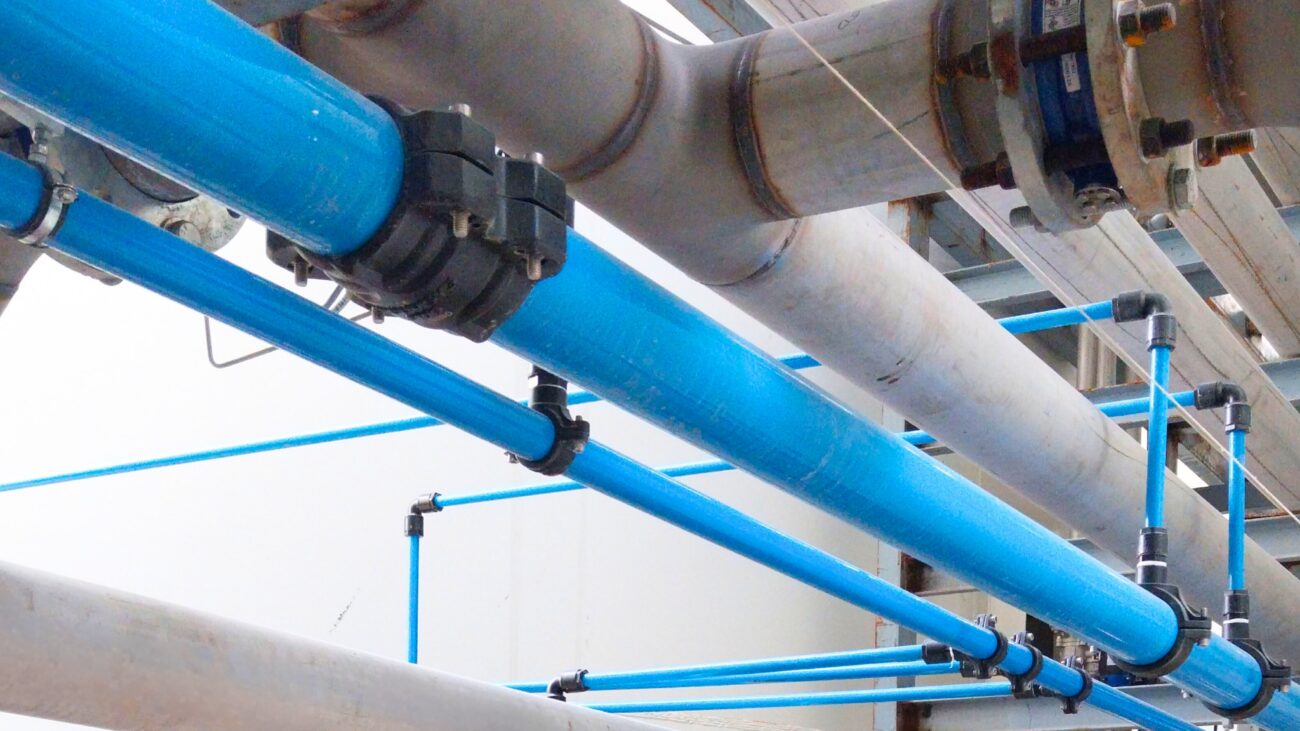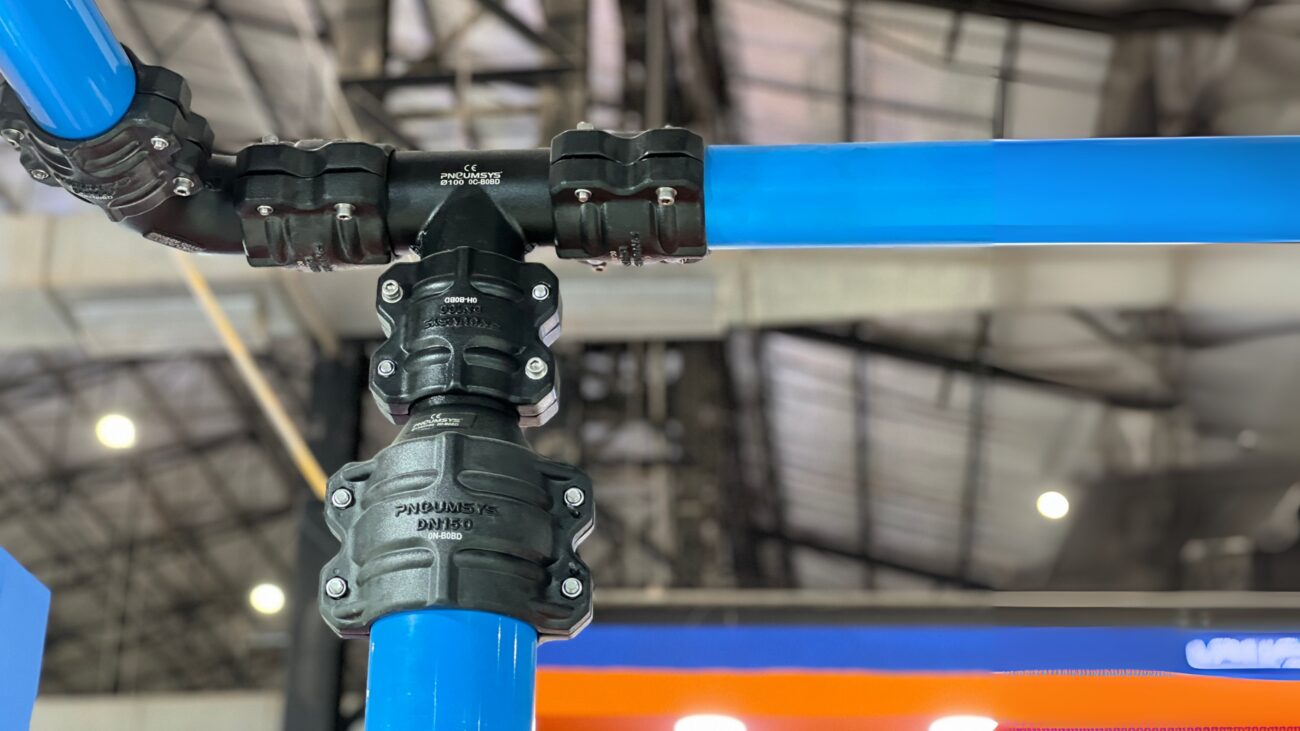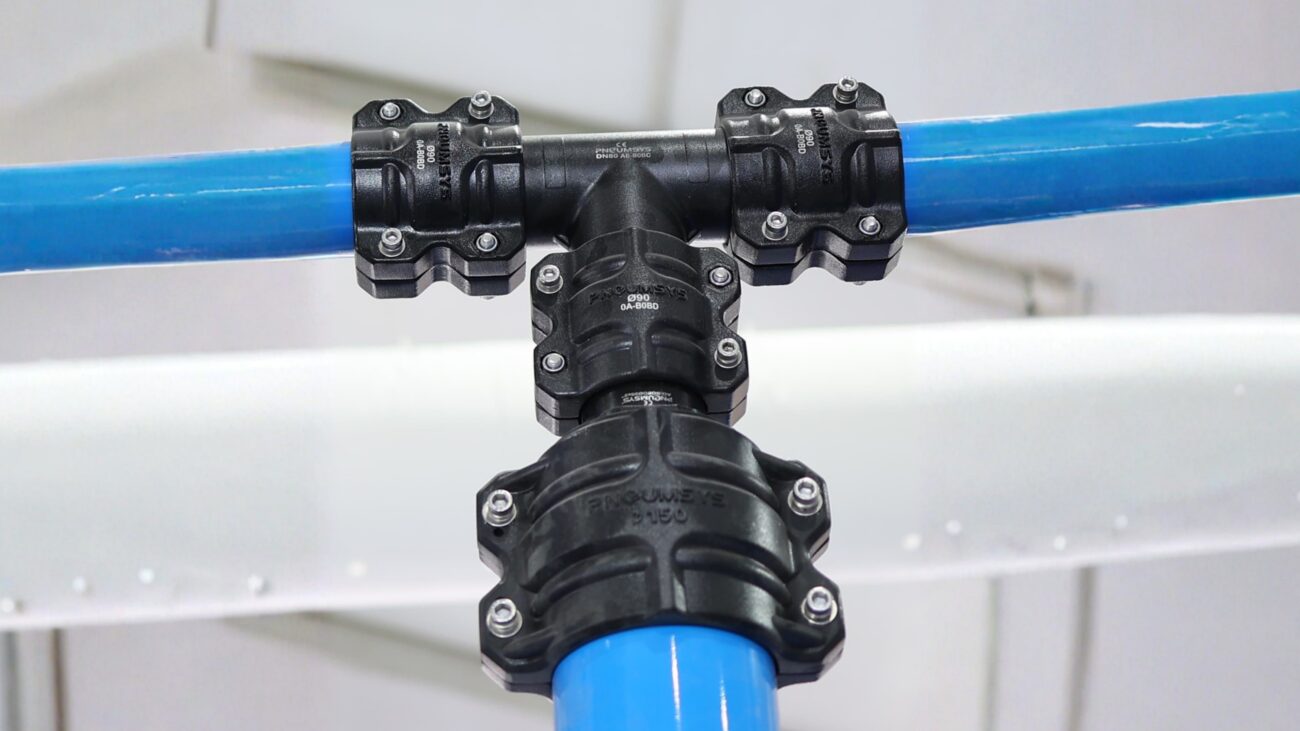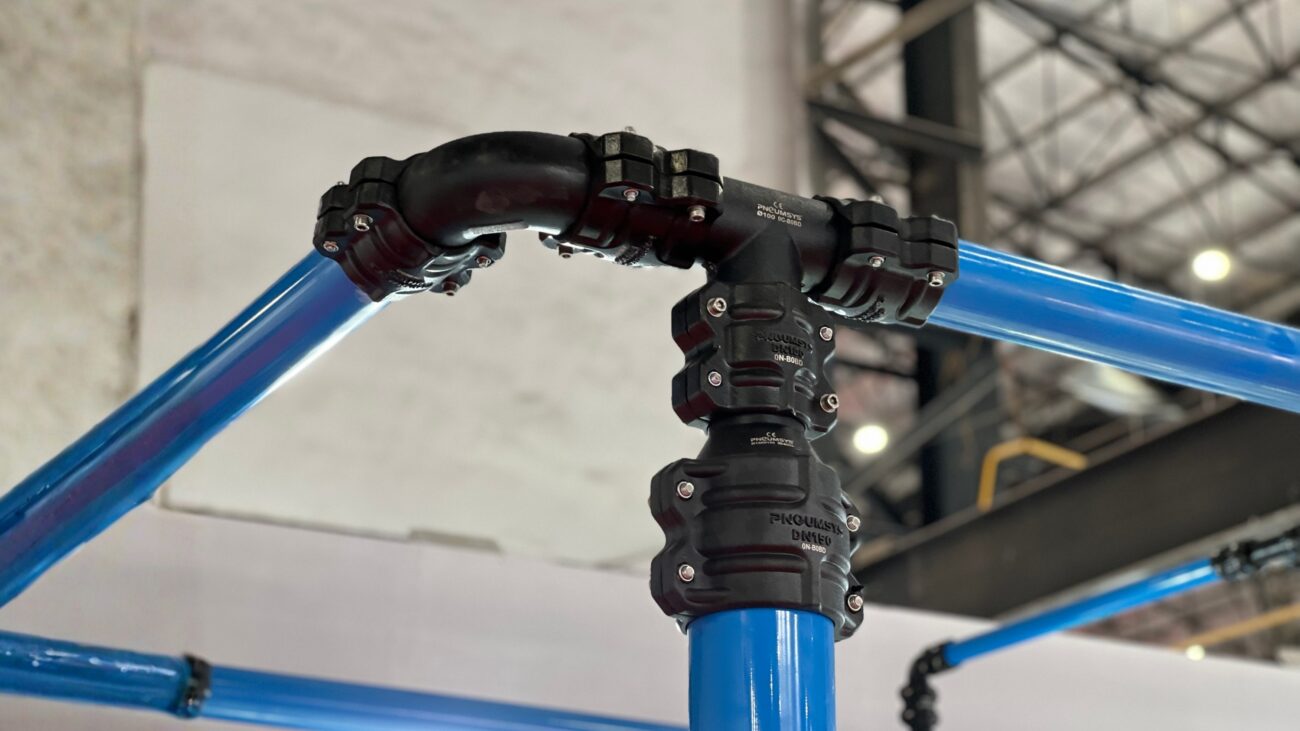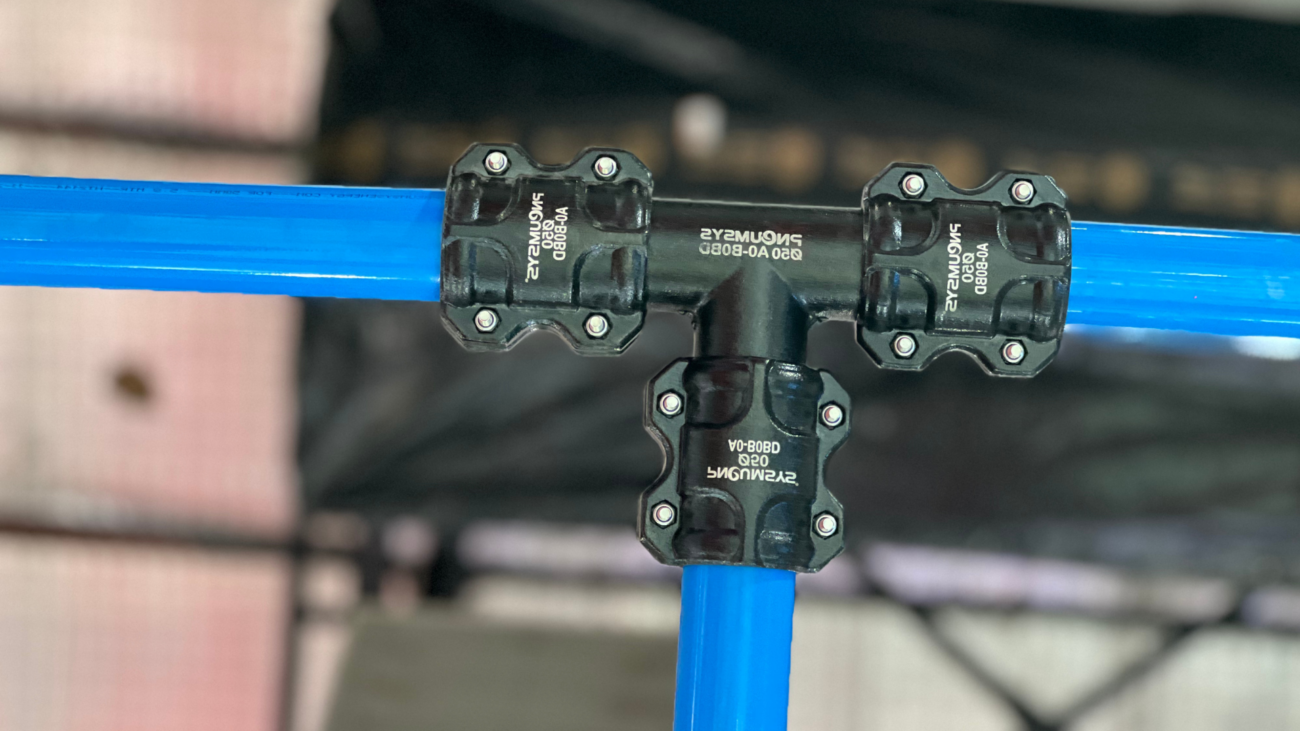
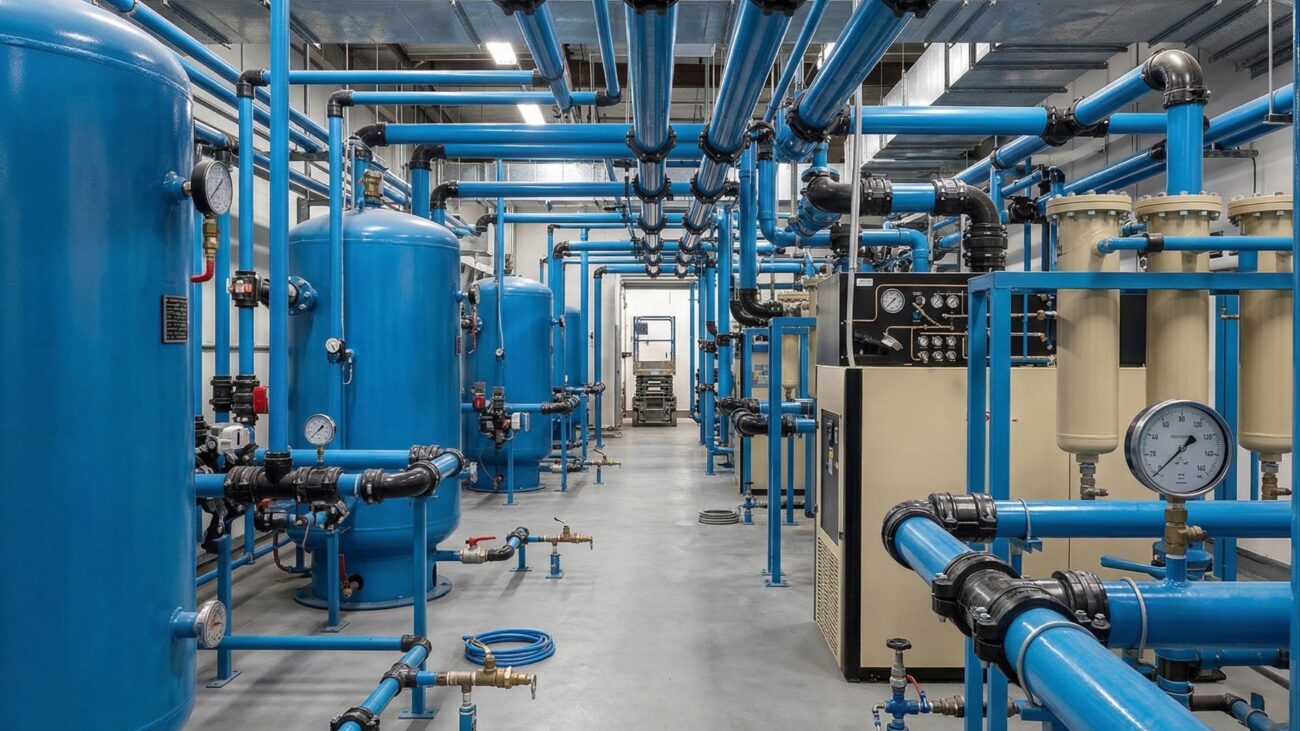
Across the globe, industries are focusing on efficiency, sustainability, and reducing operational costs. One of the most overlooked yet critical upgrades happening in manufacturing plants is the improvement of the compressed air pipe infrastructure. As factories modernize their operations, the demand for high-performance compressed air line systems has significantly increased.
A well-designed compressed air pipe system ensures that compressed air flows smoothly across machinery without pressure drops. Many companies today are realizing that outdated or poorly installed compressed air line networks cause major energy losses and operational inefficiencies.
In large manufacturing units, even small leaks in a compressed air pipe can result in huge energy waste over time. Globally, industries are investing in better materials and advanced installation techniques to make their compressed air line networks more reliable and efficient.
Companies like Luthra Pneumsys are helping businesses upgrade their compressed air infrastructure with modern engineering solutions. With the right design and installation, a durable compressed air pipe network can significantly improve production performance.
Why Modern Compressed Air Line Systems Are Becoming an Industry Standard
Industrial automation is rapidly growing worldwide, and this shift has increased the demand for stable and efficient air supply systems. A high-quality compressed air pipe network ensures that machines receive consistent air pressure, which directly affects productivity and product quality.
When a compressed air line system is poorly designed, it causes pressure drops that force compressors to work harder. This leads to higher energy consumption and unnecessary maintenance costs. Upgrading the compressed air pipe system helps businesses save energy and maintain optimal compressor performance.
Another important factor is durability. Older pipelines often corrode internally, contaminating the airflow. Modern compressed air pipe materials are designed to resist corrosion, ensuring that the compressed air line remains clean and reliable for sensitive industrial processes.
Manufacturing companies across India and globally are now prioritizing professional installation and proper system design. By investing in a high-quality compressed air pipe system, businesses ensure long-term reliability and improved operational efficiency.
Key Benefits of Installing a High-Quality Compressed Air Pipe Network
One of the biggest advantages of upgrading a compressed air pipe system is improved energy efficiency. A properly sealed compressed air line prevents air leakage and pressure drops, allowing compressors to run at optimal capacity without excessive load.
Another benefit is improved airflow distribution. When the compressed air pipe layout is engineered correctly, it delivers consistent air pressure to every workstation. This ensures that pneumatic tools and machinery connected to the compressed air line perform efficiently.
Maintenance costs are also significantly reduced. Modern compressed air pipe systems are designed with easy maintenance in mind. Durable materials and leak-resistant fittings keep the compressed air line functioning smoothly for years.
Additionally, improved workplace safety is a major benefit. Faulty or aging compressed air pipe systems can cause pressure fluctuations that may damage machinery or create hazardous situations. Installing a professionally designed compressed air line reduces such risks and enhances workplace reliability.
How the Right Compressed Air Line Design Improves Productivity
Industrial productivity depends heavily on stable compressed air supply. When a compressed air pipe system is designed with proper sizing and layout, it ensures consistent airflow across the facility.
A well-planned compressed air line system also reduces downtime. Many manufacturing plants suffer unexpected production halts due to leaks or pressure drops in old compressed air pipe networks. Upgrading the system eliminates these disruptions.
Another important factor is scalability. Modern factories expand their production lines frequently, and a flexible compressed air pipe design allows easy expansion of the compressed air line network without major structural changes.
Professional engineering support is essential when installing a new compressed air pipe infrastructure. Experts like Luthra Pneumsys specialize in designing efficient compressed air line systems that meet industrial performance requirements while minimizing long-term operational costs.
Choosing the Right Partner for Compressed Air Pipe Installation
Selecting the right engineering partner is crucial for installing a reliable compressed air pipe system. From system design to installation and maintenance, every step impacts the overall performance of the compressed air line network.
Experienced providers analyze airflow requirements, plant layout, and compressor capacity before designing the compressed air pipe structure. This ensures the compressed air line operates efficiently under real industrial conditions.
High-quality materials also play a vital role. Premium compressed air pipe materials reduce internal friction and prevent corrosion, allowing the compressed air line to maintain consistent pressure over long distances.
Businesses looking to modernize their facilities should consider upgrading their entire compressed air pipe infrastructure with expert solutions. With professional support, companies can build a robust compressed air line system that supports long-term industrial growth.
FAQs
1. What is a compressed air pipe system?
A compressed air pipe system is a network of pipelines used to transport compressed air from compressors to machines and tools in industrial facilities.
2. Why is a proper compressed air line important?
A well-designed compressed air line ensures consistent airflow, reduces energy losses, and prevents pressure drops that affect machinery performance.
3. How do leaks affect a compressed air pipe system?
Leaks in a compressed air pipe can cause significant energy waste, forcing compressors to work harder and increasing operational costs.
4. What materials are best for compressed air line systems?
Modern compressed air line systems often use aluminum or specialized corrosion-resistant materials that ensure durability and efficient airflow.
5. Who can help design and install a compressed air pipe system?
Industrial experts such as Luthra Pneumsys provide professional design, installation, and maintenance services for advanced compressed air line systems.