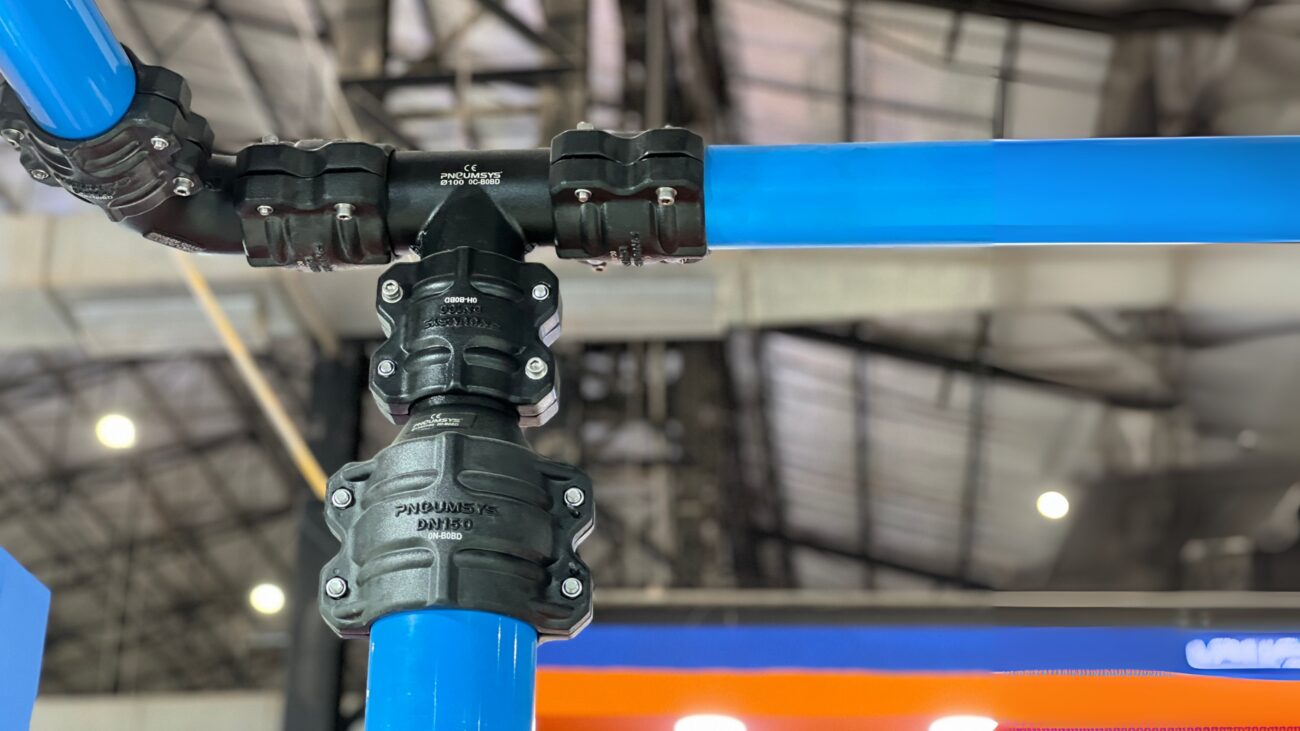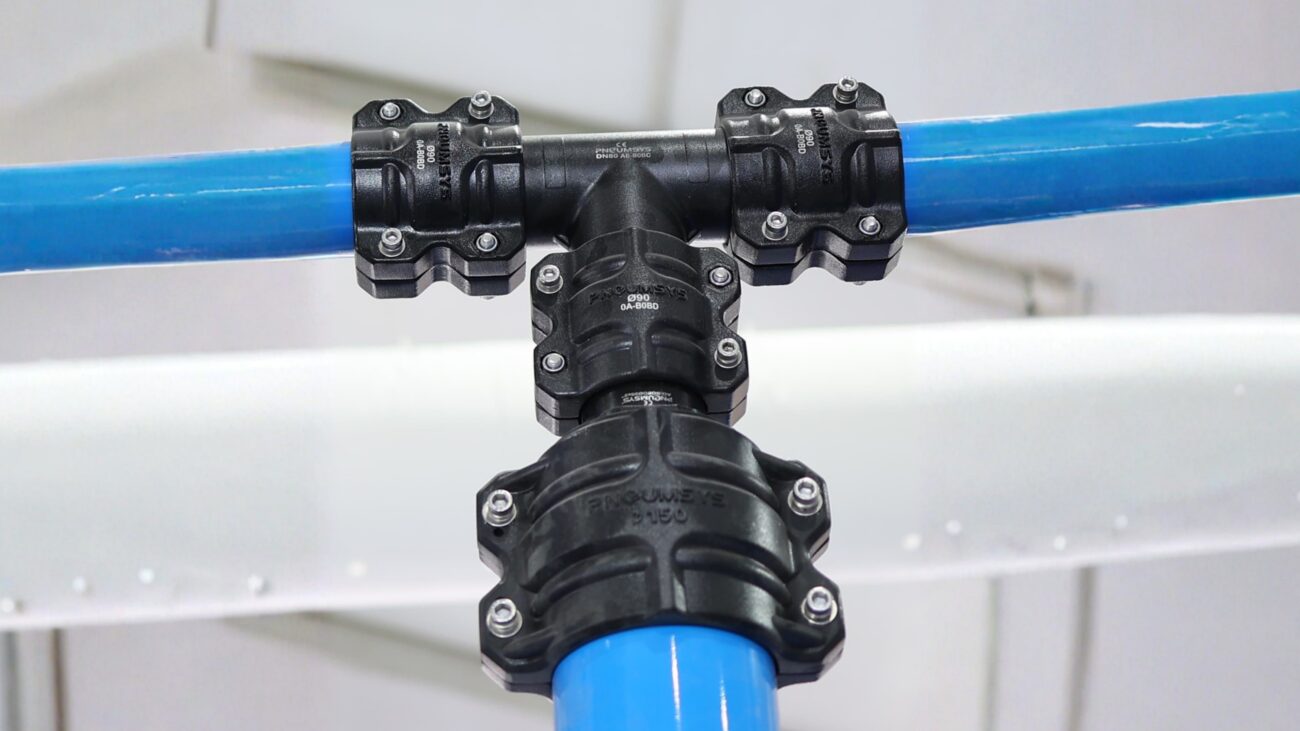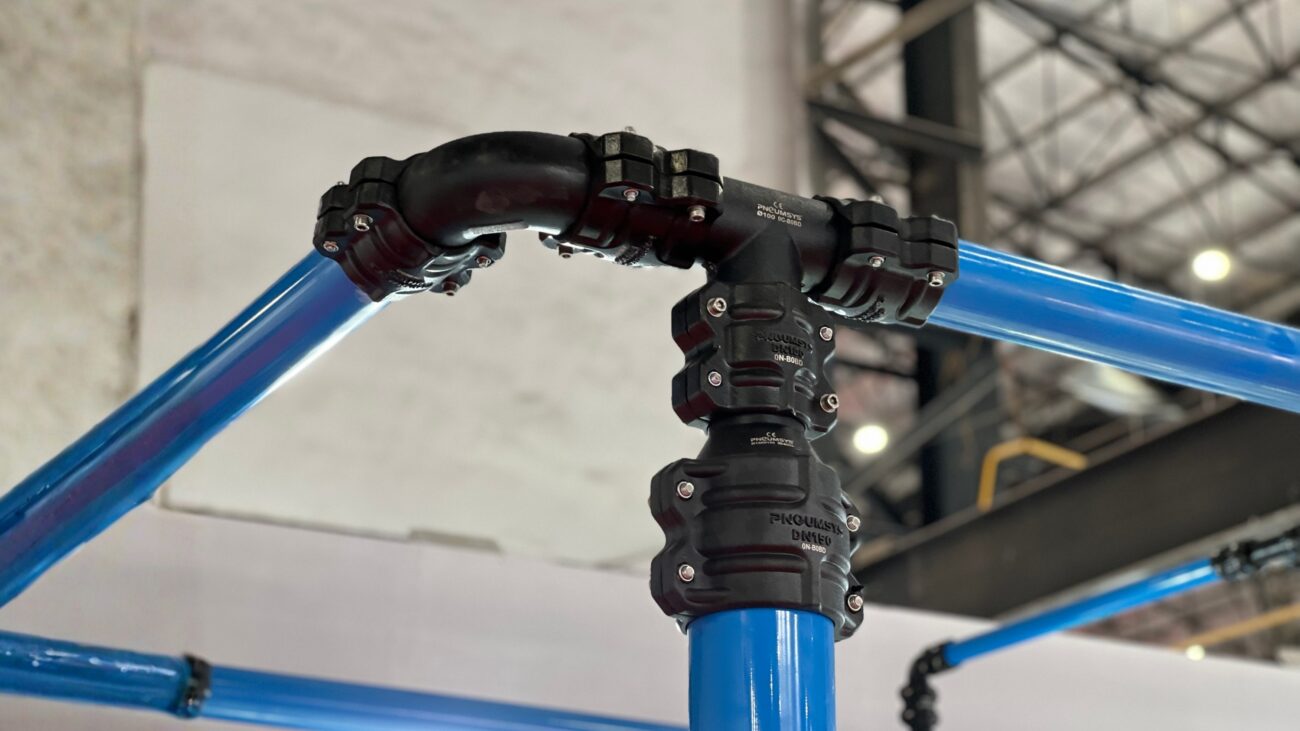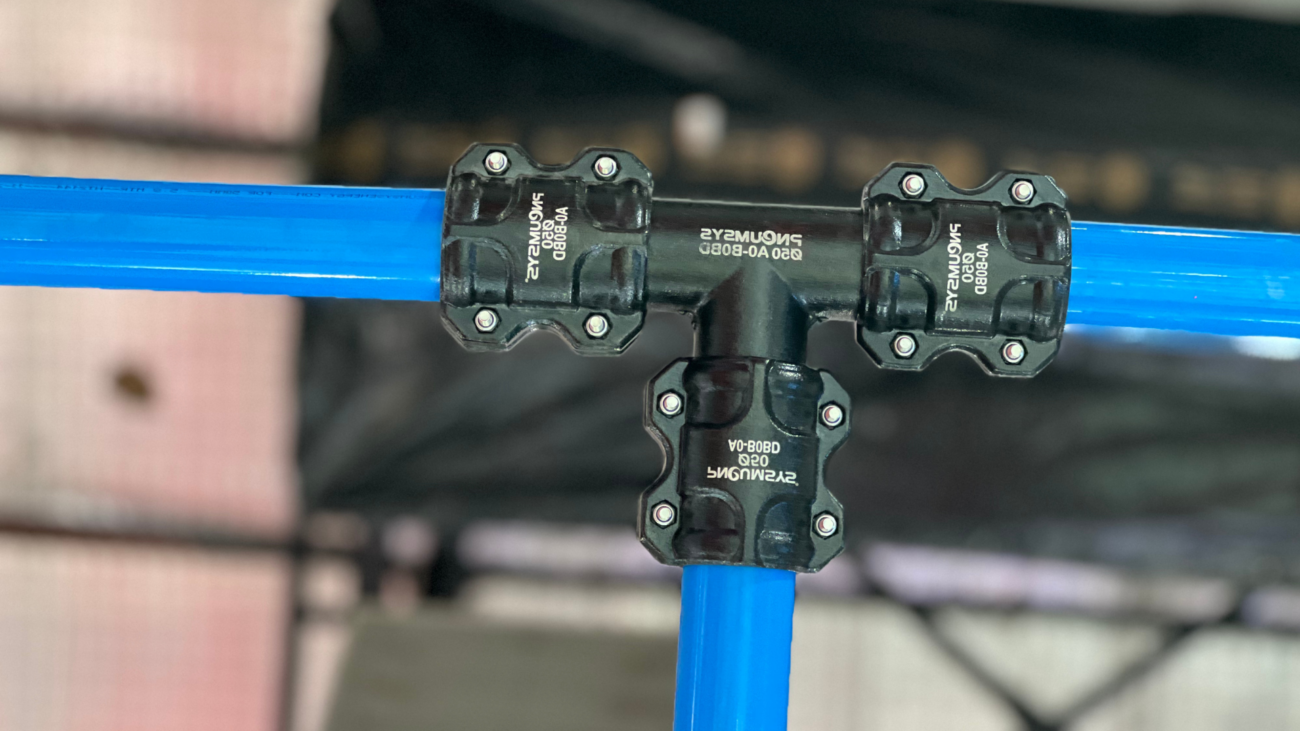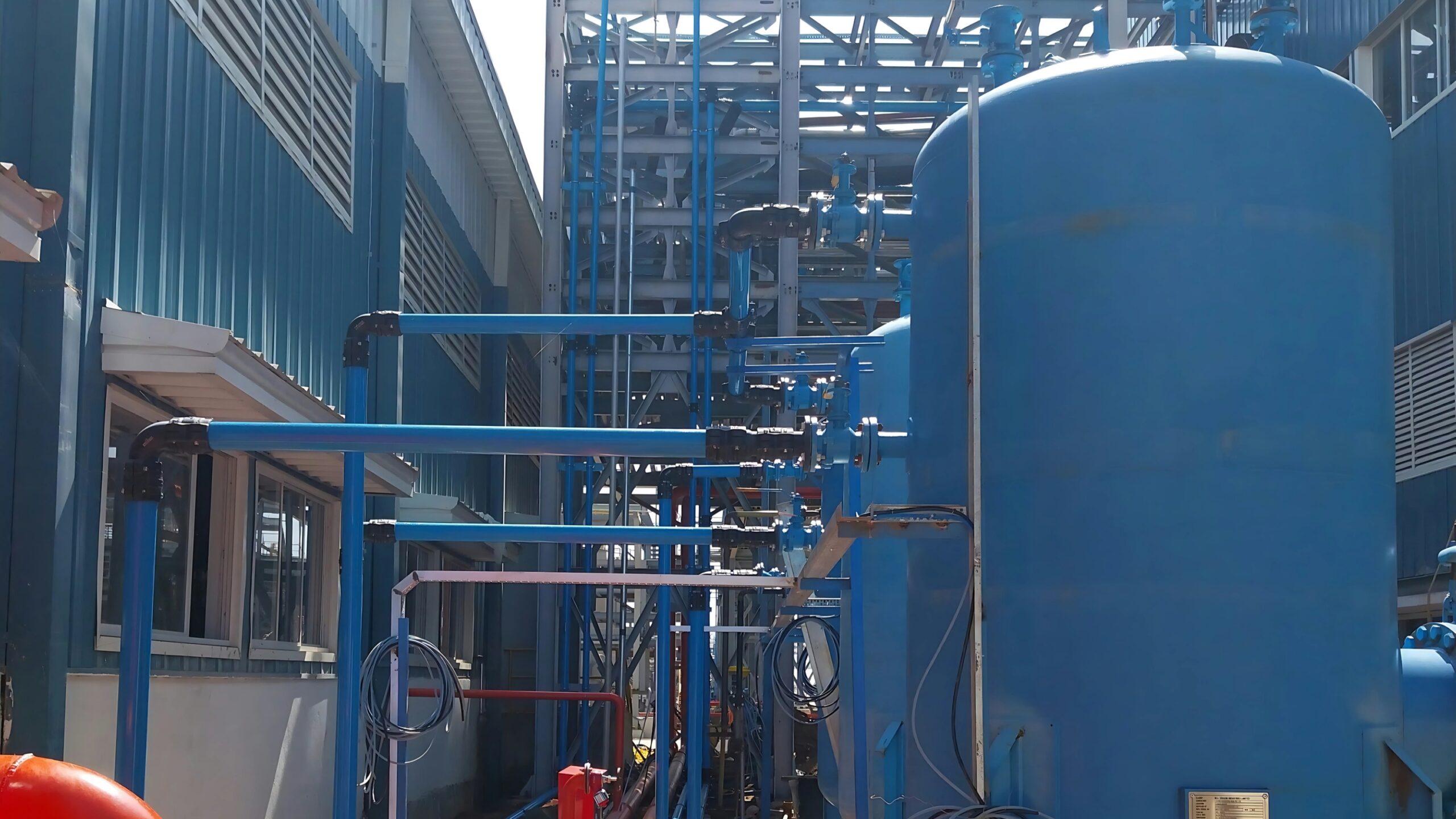
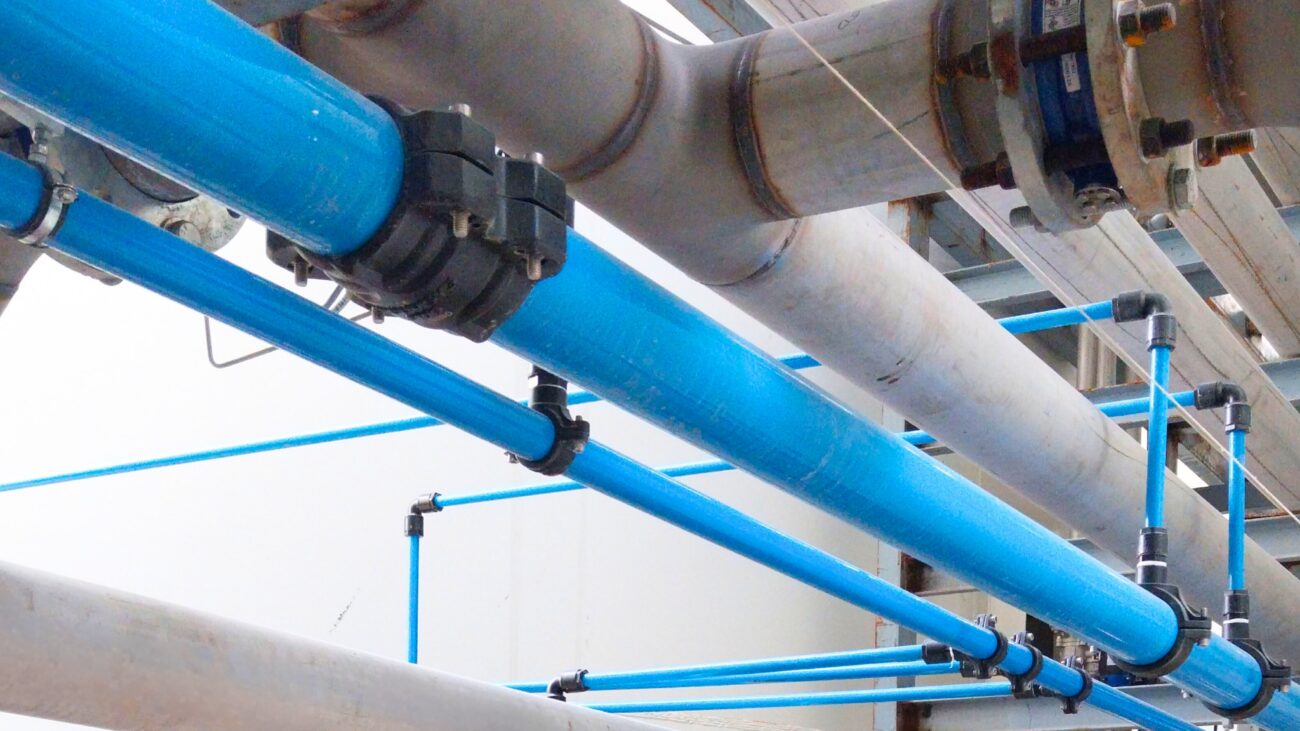
A well-designed compressed air piping system is the backbone of efficient industrial operations. Across India, manufacturing units, automotive workshops, pharmaceuticals, food processing plants, and engineering facilities rely on compressed air for daily production needs. However, outdated piping materials often lead to pressure drops, leaks, contamination, and high maintenance costs.
Modern industries are now shifting towards advanced solutions like aluminum compressed air piping and aluminium compressed air piping systems to improve efficiency, reliability, and long-term cost savings. This blog explores why aluminum-based air piping is becoming the preferred choice in India and how it transforms compressed air distribution.
Why a High-Quality Compressed Air Piping System Matters
A compressed air system is only as efficient as its piping network. Poor piping design or low-quality materials can waste up to 30 percent of compressed air through leaks and friction losses. This directly increases energy bills and reduces equipment performance.
An optimized compressed air piping system ensures consistent airflow, stable pressure, and clean air delivery. In Indian industrial environments, where high temperatures, humidity, and dust are common, choosing the right piping material becomes even more critical. The right system not only boosts productivity but also extends the lifespan of compressors and pneumatic tools.
The Rise of Aluminum Compressed Air Piping in India
Traditional materials like GI and MS piping are gradually being replaced by aluminum compressed air piping due to its superior performance. Aluminum pipes are corrosion-resistant, lightweight, and designed for smooth internal airflow, reducing pressure drops significantly.
Indian industries prefer aluminum piping because it supports faster installation with modular push-fit designs. This minimizes downtime during setup or expansion. Additionally, aluminum piping maintains air purity, making it ideal for sectors such as pharmaceuticals, electronics, and food processing where air quality standards are strict.
Advantages of an Aluminium Compressed Air Piping System
A modern aluminium compressed air piping system offers long-term operational advantages. Unlike conventional steel pipes, aluminum does not rust or scale internally. This ensures consistent air quality and reduces maintenance requirements over time.
Another major advantage is energy efficiency. Smooth inner surfaces lower friction losses, allowing compressors to operate at optimal pressure. For Indian factories facing rising power costs, this translates into noticeable savings. Aluminium piping systems are also flexible and easy to reconfigure, supporting plant expansions and layout changes without major civil work.
Why Indian Industries Are Upgrading Their Air Piping Infrastructure
India’s industrial sector is rapidly modernizing to meet global standards. Automation, lean manufacturing, and energy efficiency are now top priorities. Upgrading to advanced compressed air piping systems aligns perfectly with these goals.
From MSMEs to large manufacturing plants, businesses are realizing that piping is not just a supporting component but a strategic investment. With reduced leaks, lower maintenance, and better air quality, aluminum piping delivers a faster return on investment. Companies like Luthra Pneumatic Systems support Indian industries with engineered solutions tailored to diverse operational needs.
Applications of Aluminum Compressed Air Piping Systems
Aluminum compressed air piping systems are widely used across Indian industries. Automotive assembly lines depend on stable air pressure for precision tools. Textile and packaging units require contamination-free air supply. Pharmaceutical and food plants rely on aluminum piping to meet hygiene and compliance standards.
These systems are also ideal for workshops, CNC machining centers, and electronics manufacturing units where consistent airflow and flexibility are essential. The adaptability of aluminum piping makes it suitable for both new installations and retrofitting existing compressed air networks.
FAQs: Compressed Air Piping Systems in India
What is the best material for a compressed air piping system in India?
Aluminum is considered the best material due to its corrosion resistance, energy efficiency, and long service life in Indian industrial conditions.
Is aluminum compressed air piping better than GI piping?
Yes, aluminum compressed air piping offers lower pressure drop, zero internal rusting, easier installation, and reduced maintenance compared to GI piping.
How long does an aluminium compressed air piping system last?
With proper installation, an aluminium compressed air piping system can last over 20 years with minimal maintenance.
Can aluminum piping handle high pressure?
Yes, industrial-grade aluminum piping systems are designed to handle high operating pressures safely and efficiently.
Is aluminum compressed air piping suitable for small factories?
Absolutely. Aluminum piping is modular, scalable, and cost-effective, making it ideal for small and medium-scale industries in India.
Final Thoughts
Investing in a modern compressed air piping system is no longer optional for Indian industries aiming for efficiency and sustainability. By upgrading to aluminum compressed air piping or a complete aluminium compressed air piping system, businesses can significantly reduce energy losses, improve air quality, and future-proof their operations.
As India’s manufacturing landscape continues to evolve, choosing the right compressed air infrastructure today ensures reliable performance and long-term savings tomorrow.