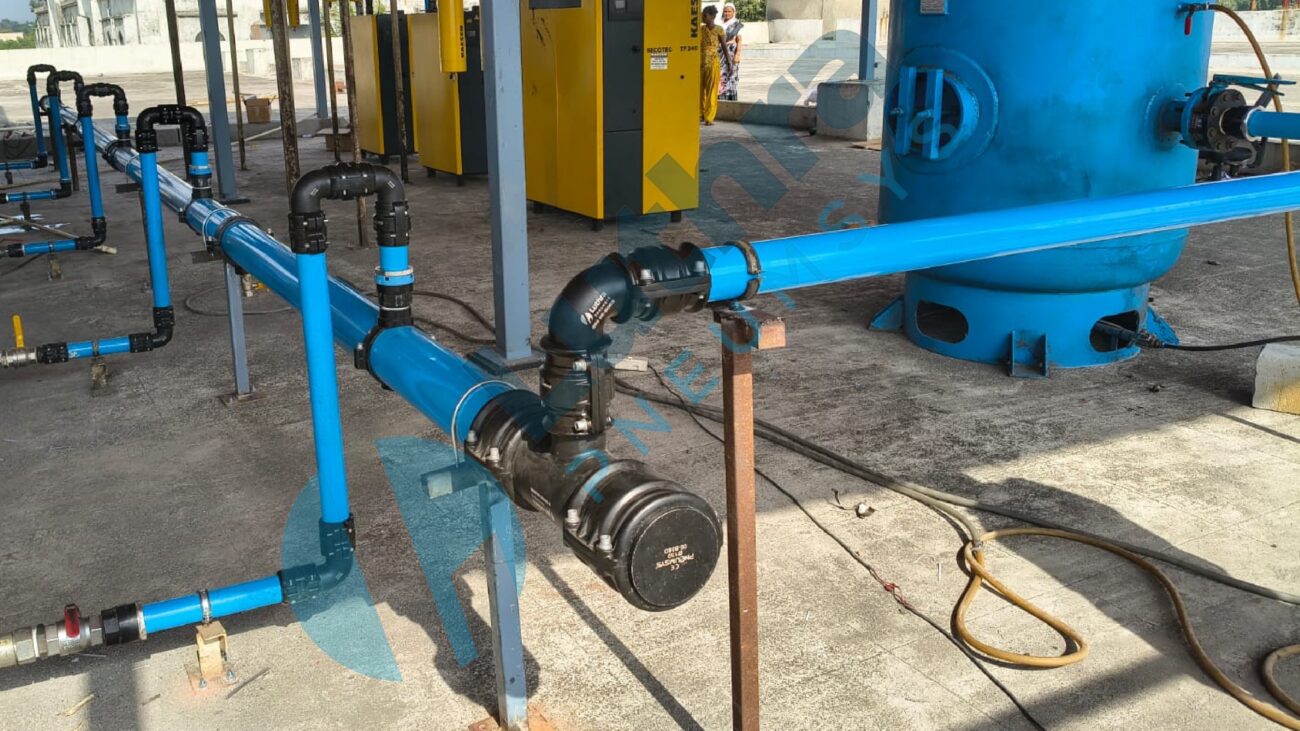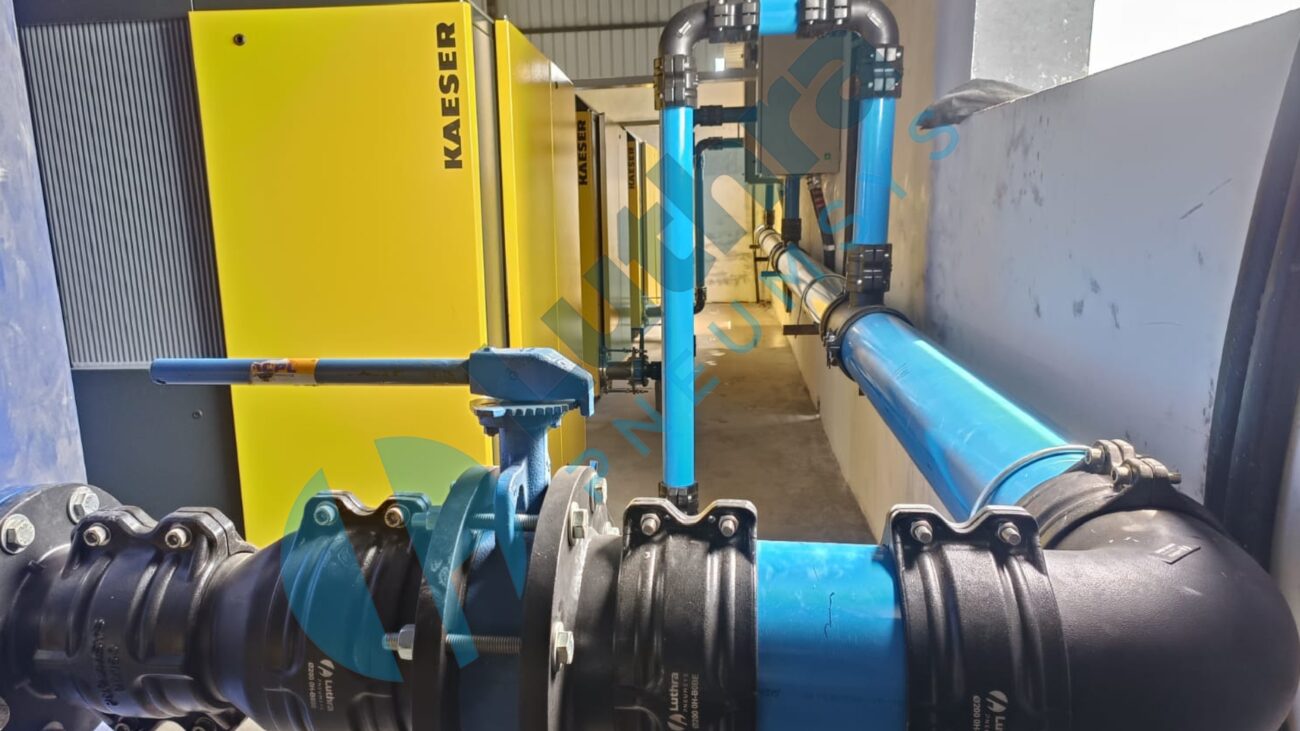
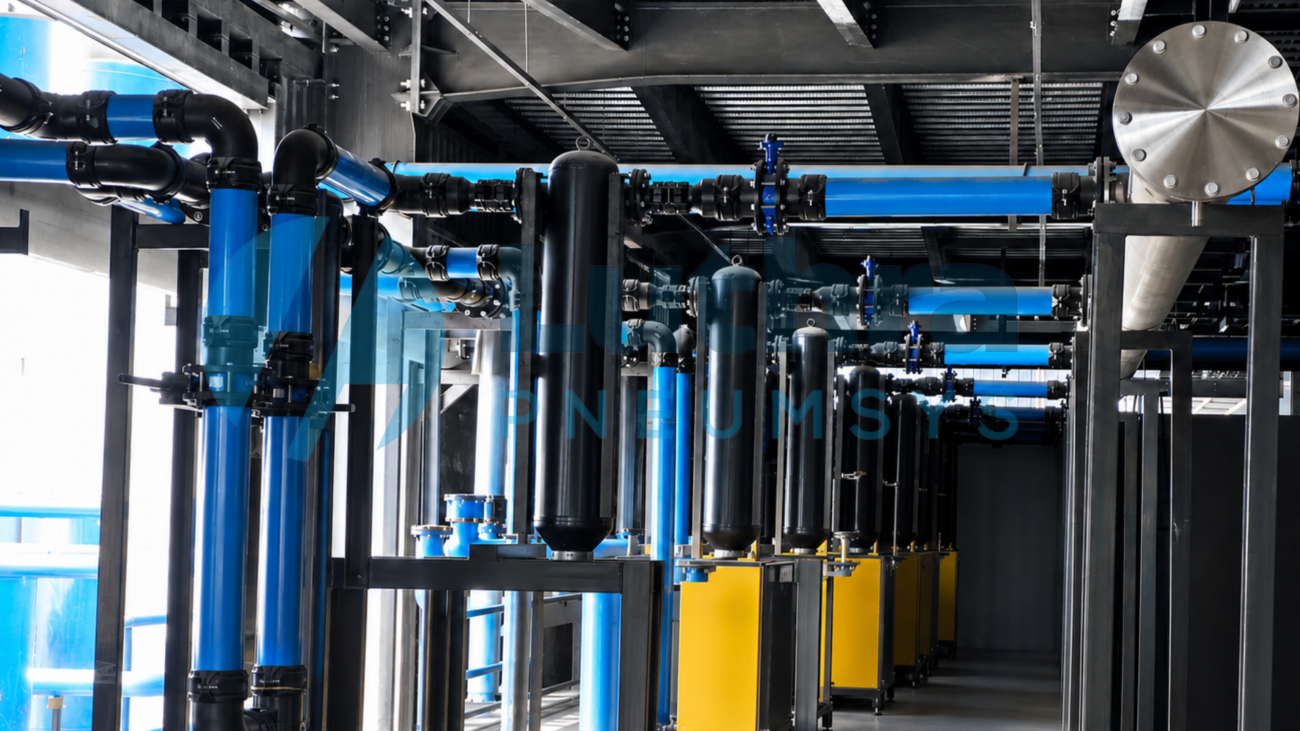
Choosing the right aluminum air piping system is an important decision for industrial facilities that depend on a consistent and reliable compressed air supply. Manufacturing plants, automotive workshops, pharmaceutical units, food processing facilities and engineering industries use compressed air to operate pneumatic tools, machinery, production equipment and automated systems. An efficient piping network helps distribute compressed air throughout the facility while reducing unnecessary pressure losses and supporting reliable equipment performance.
An aluminium air pipe system offers a practical solution for industries looking for lightweight, corrosion-resistant and modular compressed air distribution. Compared with conventional piping materials, aluminium systems can be easier to handle, modify and expand when production requirements change. However, selecting the right system involves more than comparing pipe prices. Businesses must consider operating pressure, air consumption, pipe diameter, installation requirements, air quality and long-term maintenance.
Industrial facilities in India are increasingly focused on improving energy efficiency, reducing operational downtime and controlling maintenance costs. A properly designed compressed air network can support these objectives by delivering air where it is needed without unnecessary restrictions. Selecting suitable aluminum compressed air pipes from the beginning can also help businesses plan for future production demands and minimise costly system modifications.
This guide explains the main factors to consider when choosing an aluminium compressed air piping solution for industrial applications. It also explores installation planning, system compatibility, performance considerations and maintenance practices that can help businesses make informed purchasing decisions.
Understand Your Industrial Compressed Air Requirements
Before selecting an aluminum air piping system, evaluate how much compressed air your facility consumes during normal and peak production. Different machines require different airflow rates and operating pressures, and several machines may operate simultaneously. Reviewing compressor capacity, free air delivery (FAD), equipment specifications and future demand helps determine the appropriate network design.
Pipe diameter is another important consideration. Undersized aluminum compressed air pipes can restrict airflow and increase pressure losses, particularly across long distances or during periods of high consumption. Oversized piping, on the other hand, may increase initial material costs unnecessarily. A qualified engineer can calculate suitable pipe dimensions based on flow rate, operating pressure, pipeline length, fittings and acceptable pressure drop.
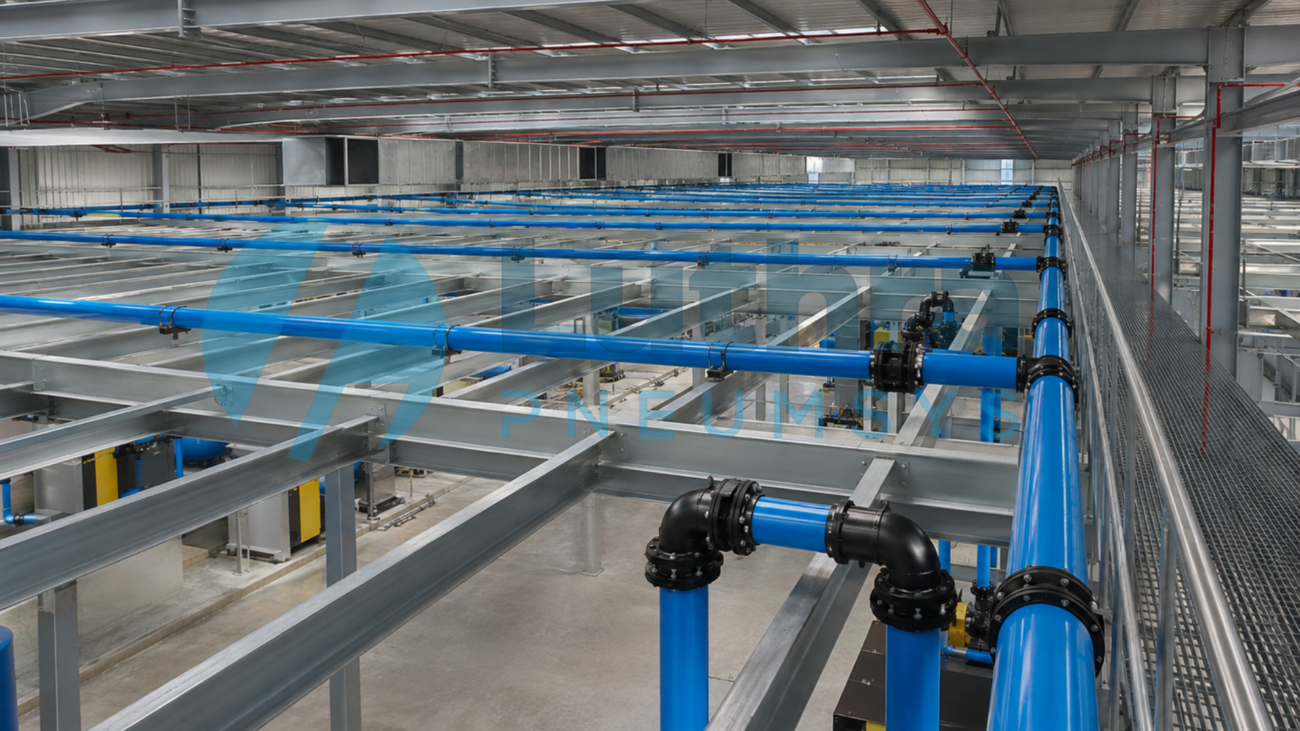
The physical arrangement of your factory also influences the selection process. A compact workshop may need a relatively simple distribution network, whereas a large manufacturing facility may benefit from a ring-main arrangement with multiple branches. A ring main can provide alternative flow paths and help distribute air more evenly, provided the system is correctly sized and configured for the actual demand.
Future expansion should also be considered before installation begins. If your facility plans to add production lines, pneumatic tools or automated machinery, the piping network should accommodate these requirements where practical. Planning additional connection points and isolation valves during the initial design can reduce future modifications and help maintain production continuity.
Evaluate the Benefits of an Aluminium Air Pipe System
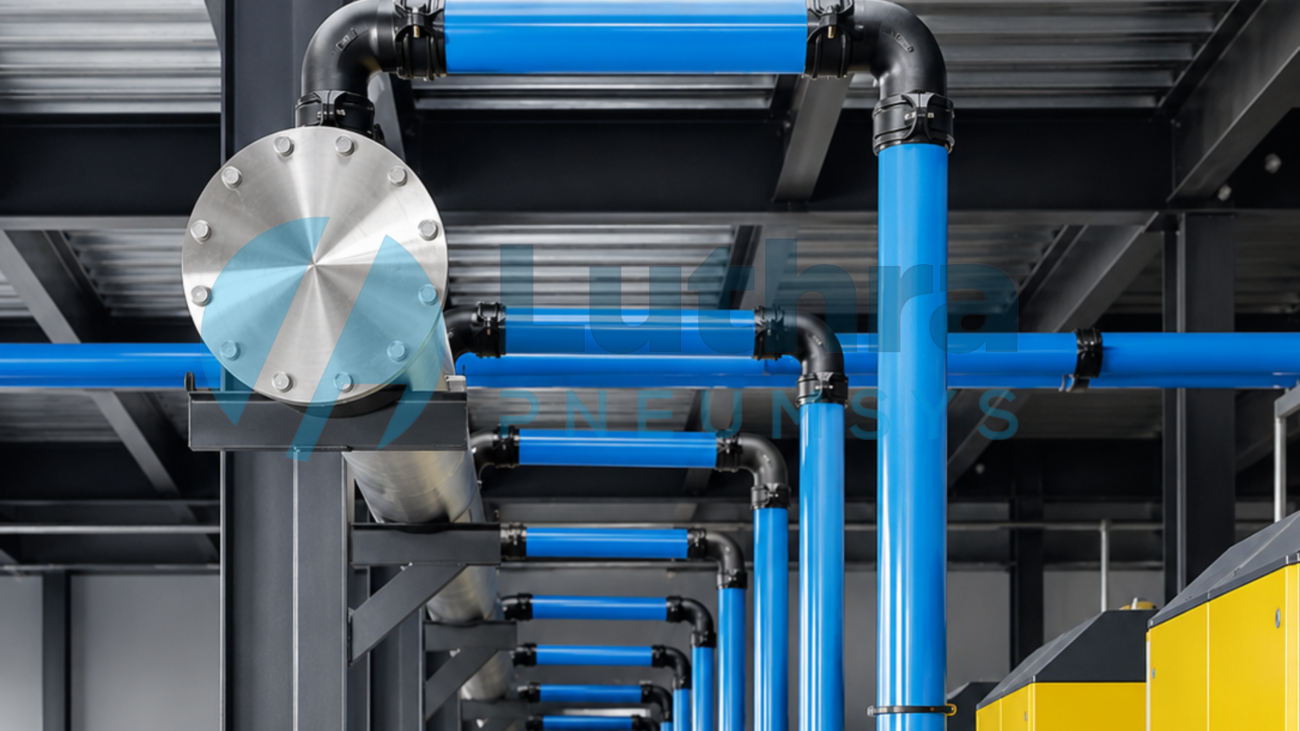
One major reason industries consider an aluminium air pipe system is its resistance to corrosion. Unlike ordinary steel piping that can develop internal rust under unsuitable moisture conditions, aluminium piping does not develop iron rust. This characteristic helps maintain a cleaner internal flow path and reduces the risk of rust particles entering downstream pneumatic equipment. Appropriate air treatment is still essential for controlling moisture, oil and other contaminants.
Aluminium is also lightweight compared with many traditional metal piping materials. This makes handling, positioning and overhead installation easier in suitable industrial environments. Modular aluminium systems often use purpose-designed mechanical fittings, reducing the need for welding or threaded connections. Installation methods depend on the specific product, manufacturer instructions and site conditions, but modular construction can simplify many projects.
Another advantage is flexibility during factory expansion. Production layouts frequently change as businesses introduce new machines, relocate workstations or increase capacity. A modular aluminum air piping system can make it easier to extend branches or reconfigure sections when compatible fittings and adequate system capacity are available. This flexibility is particularly useful in manufacturing plants where operational requirements evolve over time.
Long-term operating performance should be considered alongside the initial purchase price. A properly engineered aluminium network can help control pressure losses and reduce corrosion-related maintenance. However, overall energy savings depend on pipe sizing, leak prevention, compressor efficiency, air treatment and operating practices. Evaluating the complete compressed air system provides a more realistic picture of its potential lifecycle value.
Check Pipe Quality, Pressure Rating and Compatibility
The working pressure rating is one of the first specifications to verify when purchasing aluminum compressed air pipes. The selected pipe, fittings, valves and other pressure-containing components must be suitable for the intended operating conditions. Check the manufacturer’s technical documentation for maximum allowable pressure, operating temperature, material specifications and any relevant application limitations before making a purchase.
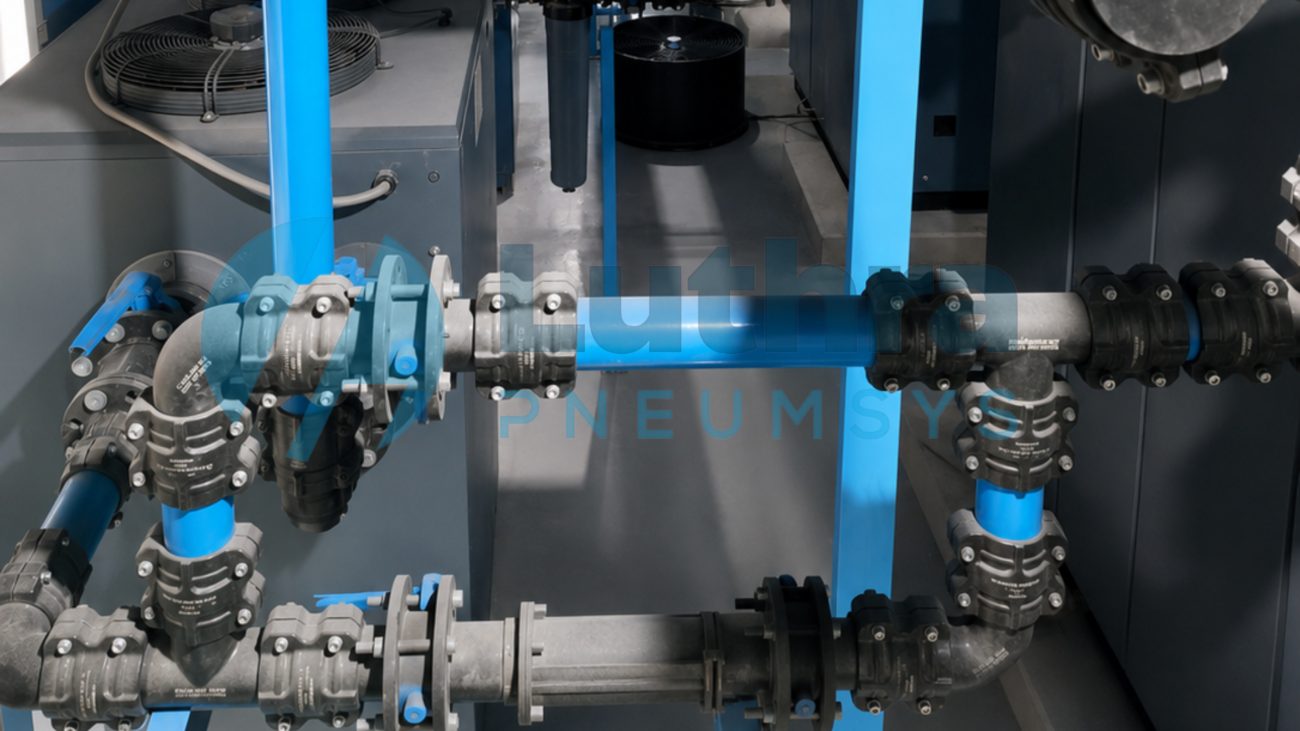
Compatibility between components is equally important. Pipes, connectors, elbows, tees, valves and brackets should be designed to work together as part of the intended system. Mixing incompatible fittings or using components outside their specified operating conditions may compromise joint integrity and increase leakage risks. Confirm dimensions, connection methods and sealing requirements with the system supplier.
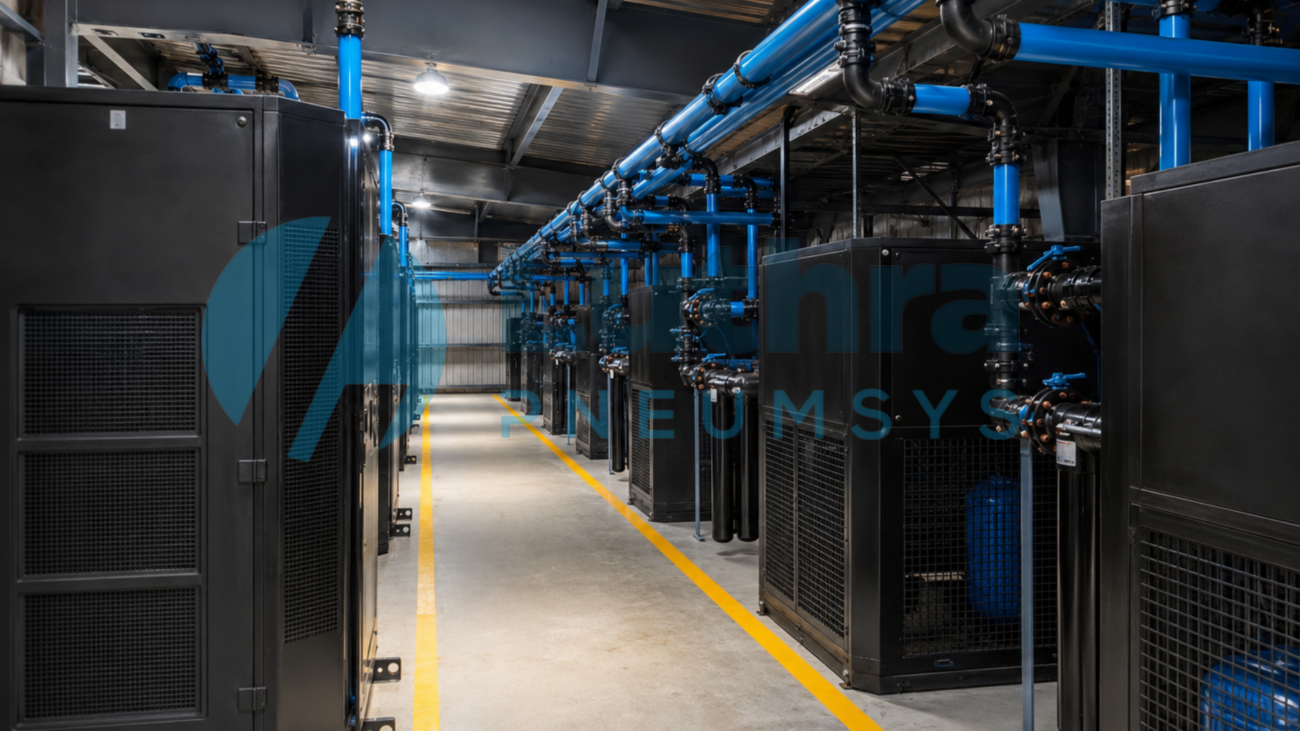
Air quality is another essential consideration. Compressed air can contain moisture, oil aerosols and particles depending on the compressor, intake conditions and treatment equipment. A suitable combination of aftercoolers, separators, filters and dryers helps prepare the air before distribution. The required treatment level depends on the application, particularly in industries with strict process or product-quality requirements.
Ask the supplier for technical specifications, installation instructions, applicable conformity documentation and guidance on maintenance. Where the application involves special gases, unusual temperatures or demanding operating conditions, confirm suitability rather than assuming a standard compressed air system will be appropriate. Choosing a documented, compatible system helps establish a reliable foundation for industrial operation.
Plan Installation for Reliable Air Distribution
A successful aluminium air pipe system begins with an assessment of the installation site. The design should identify the compressor room, main headers, branch lines, machine connections, isolation points and maintenance access. Pipe routing must also account for building structures, electrical installations, moving equipment and other services to avoid unnecessary interference or difficult maintenance conditions.
Pressure drop should be assessed across the entire distribution network. Long pipe runs, restrictive fittings, poorly planned branches and undersized sections can reduce the pressure available at the point of use. A well-planned layout considers the total route length and expected simultaneous airflow rather than selecting pipe diameter solely according to the compressor outlet connection.
Moisture management must be incorporated into the system design. Although aluminium resists iron rust, condensate can still affect downstream equipment and processes. Appropriate air drying, filtration, drainage arrangements and installation practices should be selected according to the system configuration and air-quality requirements. Drain points and drops must follow the manufacturer’s design guidance.
Installation and commissioning should be performed by qualified personnel using the specified assembly procedures. The completed network should undergo the manufacturer’s prescribed inspection and pressure-testing process before being placed into service. Never exceed component pressure limits or use improvised test procedures. Proper commissioning helps identify installation defects, verify joint integrity and establish a baseline for future maintenance.
Compare Aluminium Piping with Traditional Materials
When comparing an aluminum air piping system with traditional steel or galvanised iron piping, consider corrosion resistance, installation complexity, maintenance requirements and the expected operating environment. Aluminium is generally attractive for modern compressed air networks because it is lightweight and resistant to iron rust. Traditional materials may still be suitable for certain applications, depending on their condition, specifications and project requirements.
Installation costs can vary considerably between systems. Modular aluminium pipework may reduce labour requirements where mechanical connections eliminate the need for extensive welding or threading. However, total project costs also depend on pipe diameter, fittings, supports, installation access, engineering work and commissioning. Comparing material prices alone may not reveal the most economical option over the system’s service life.
Maintenance requirements should be included in the comparison. Older metal pipe networks may require attention to corrosion, internal deposits and deteriorating joints, while aluminium systems still require regular checks for leaks, loose connections and mechanical damage. Both systems benefit from appropriate filtration, moisture control and preventive maintenance. Actual maintenance needs depend on operating conditions and installation quality.
For Indian manufacturing facilities, the right choice depends on the industry, plant layout, compressed air demand and available investment. Automotive production, engineering workshops, packaging units, textile facilities and general manufacturing operations may benefit from modular aluminium distribution when the system is correctly specified. A technical assessment can help determine whether a new installation or a phased upgrade is appropriate.
Consider Maintenance and Long-Term Operating Costs
Even a well-designed aluminium air pipe system requires routine inspection to maintain dependable operation. Connections, isolation valves, supports and machine outlets should be checked periodically for leaks, vibration, physical damage and signs of deterioration. Identifying small problems early can prevent unnecessary compressed air losses and reduce the likelihood of production interruptions.
Leak management is especially important because compressed air production consumes energy. Leaks at joints, hoses, valves and point-of-use connections can increase compressor operating time and electricity consumption. Scheduled leak inspections, prompt repairs and suitable pressure monitoring help facilities identify avoidable losses and improve distribution efficiency.
Businesses should also review their air demand as production changes. New machinery, longer operating hours and additional workstations can increase the required airflow beyond the original design assumptions. Monitoring pressure at critical locations and reviewing compressor performance can reveal whether the distribution network needs adjustment or additional capacity.
When calculating long-term costs, consider the purchase price, installation, energy consumption, inspection, repairs and future expansion. An aluminium air pipe system may offer advantages over its service life when its technical suitability and installation quality are established. The most appropriate solution is one that meets operational requirements while supporting safe, efficient and maintainable compressed air distribution.
How Luthra Pneumsys Can Support Your Piping Requirements?
Selecting an appropriate industrial piping solution requires a clear understanding of equipment requirements, operating conditions and the factory’s distribution layout. Businesses should assess their existing infrastructure before choosing new aluminum compressed air pipes, particularly when replacing an older network or expanding a production facility. Careful planning helps align pipe selection with the performance requirements of the complete compressed air system.
Luthra Pneumsys provides an online resource for businesses exploring industrial compressed air piping solutions. Through its website, Luthra Pneumsys, industrial buyers can explore relevant piping information and identify solutions for their application requirements. The selection process should account for pressure ratings, airflow, material compatibility, installation conditions and the need for reliable long-term performance.
For companies planning a new factory, upgrading an existing distribution network or expanding production capacity, early technical assessment can help prevent avoidable design issues. Reviewing the piping layout, air treatment equipment, operating pressure and expected demand provides a more complete basis for selecting a suitable system.
Choosing the right aluminium air pipe system is ultimately an investment in reliable industrial air distribution. By evaluating material quality, pipe sizing, system compatibility, installation methods and maintenance requirements, businesses can make informed decisions that support operational efficiency. Visit https://luthrapneumsys.com/ to explore industrial compressed air piping solutions relevant to your requirements.
Final Thoughts
Choosing the right aluminum air piping system requires more than selecting a pipe material. Industrial businesses should evaluate compressed air demand, pipe sizing, operating pressure, air quality, installation requirements and long-term maintenance before committing to a solution. A correctly engineered aluminium air pipe system can support reliable air distribution, easier modifications and effective control of pressure losses across suitable industrial applications.
For businesses considering aluminum compressed air pipes, careful planning and technical verification are essential to achieving dependable performance. Explore the industrial piping information available at Luthra Pneumsys to learn more about compressed air piping solutions for your operational needs.
Frequently Asked Questions
What is an aluminium air pipe system used for?
An aluminium air pipe system distributes compressed air from a compressor and air-treatment equipment to machinery, pneumatic tools, automation systems and other industrial applications. It is commonly considered for manufacturing plants, workshops and facilities requiring modular air distribution.
What are the main advantages of an aluminum air piping system?
The main advantages include low weight, resistance to iron rust, modular installation options and the potential for straightforward expansion. Actual performance depends on system design, component quality, air treatment and installation practices.
How do I choose the correct pipe diameter?
Pipe diameter should be selected according to airflow demand, working pressure, pipeline length, fittings and the acceptable pressure drop. A qualified engineer should calculate the required dimensions for both normal and peak operating conditions.
Are aluminum compressed air pipes suitable for heavy industrial use?
Yes, aluminum compressed air pipes can be suitable for many industrial applications when the selected system is rated for the required pressure, temperature and operating environment. Always verify manufacturer specifications and component compatibility before installation.
Is an aluminium air pipe system better than steel piping?
Neither material is universally better for every application. Aluminium offers corrosion resistance, lower weight and modular installation options, while steel may be appropriate for particular operating conditions or existing infrastructure. The decision should reflect lifecycle costs and technical requirements.
Can an aluminium air pipe system reduce energy costs?
It can help reduce avoidable energy losses when the design controls pressure drop and leakage. However, savings depend on the existing network, compressor efficiency, air demand, maintenance and operating practices. A system assessment is recommended before estimating potential savings.
What maintenance does an aluminium compressed air piping system require?
Routine maintenance includes checking connections for leaks, inspecting supports and valves, monitoring pressure, and maintaining the compressor’s filtration and drying equipment. Inspection intervals should follow the manufacturer’s recommendations and the facility’s operating conditions.
What should I check before buying an aluminium air pipe system in India?
Check pressure and temperature ratings, pipe dimensions, airflow requirements, fitting compatibility, installation support, technical documentation and after-sales service. Confirm that the proposed system meets the requirements of your facility and applicable safety standards.