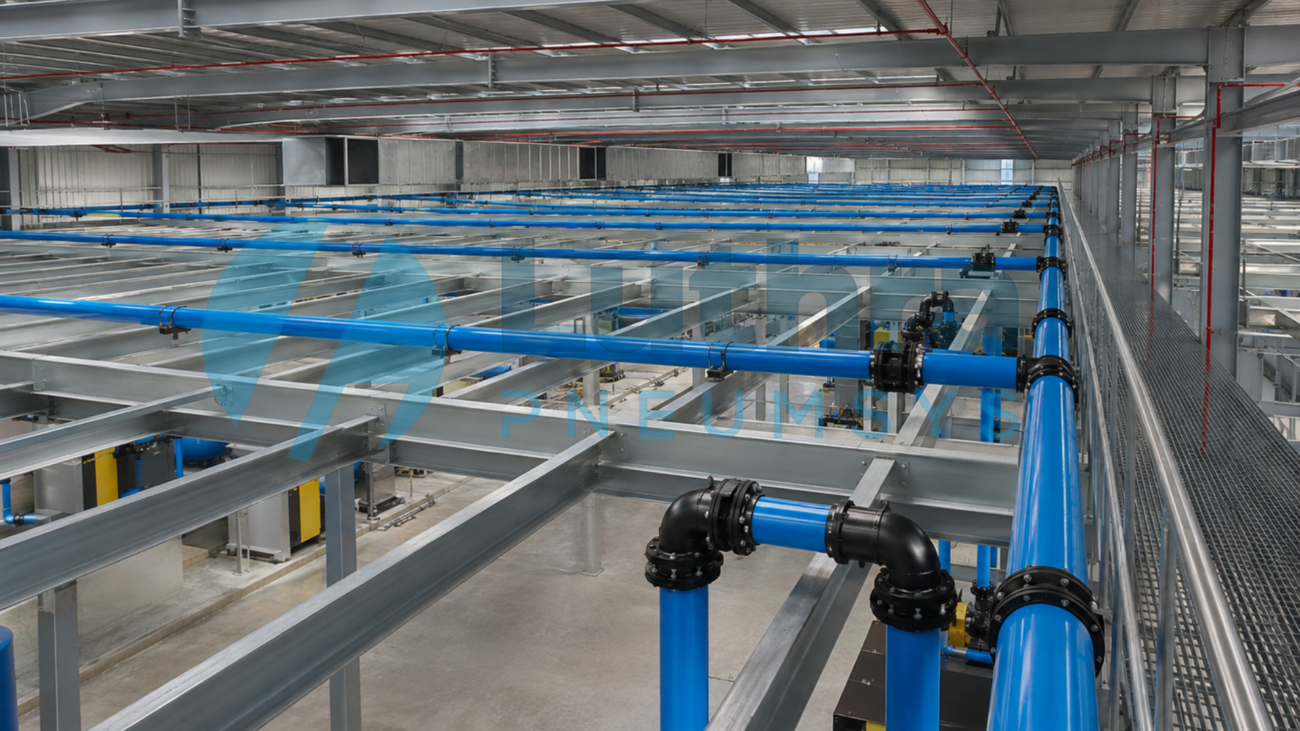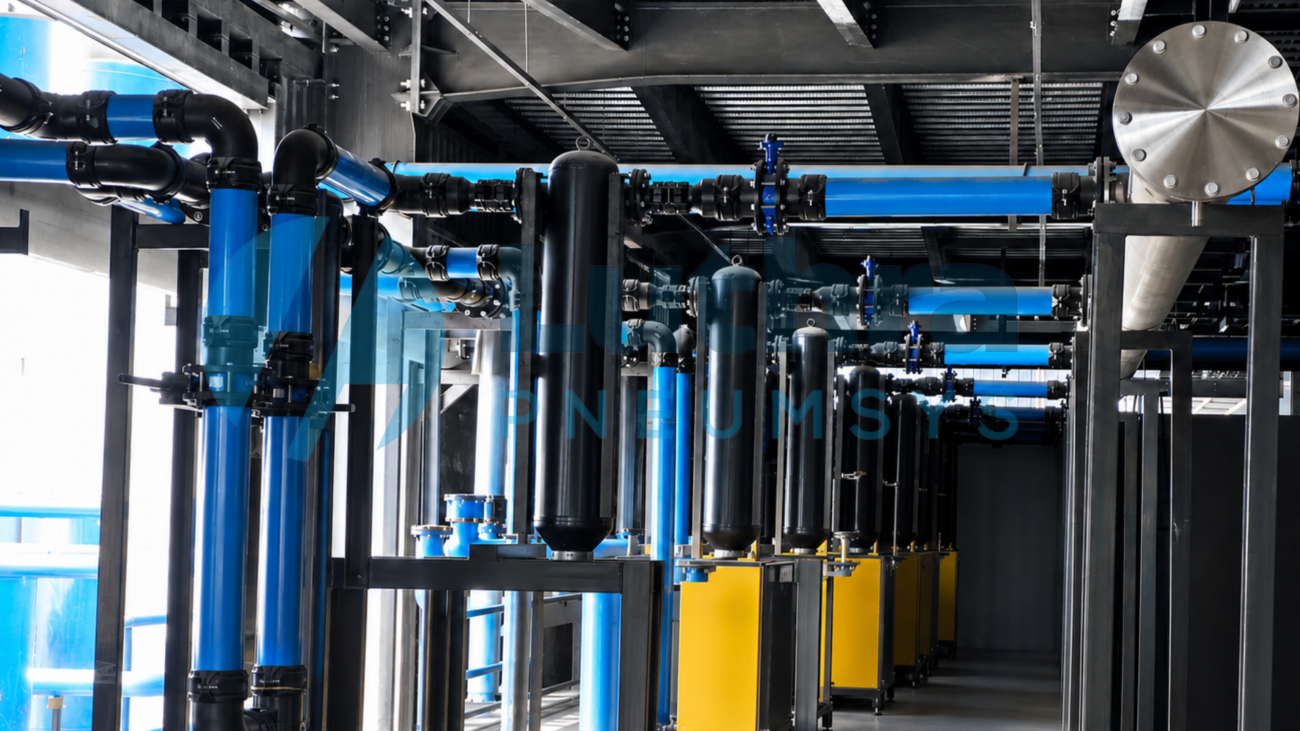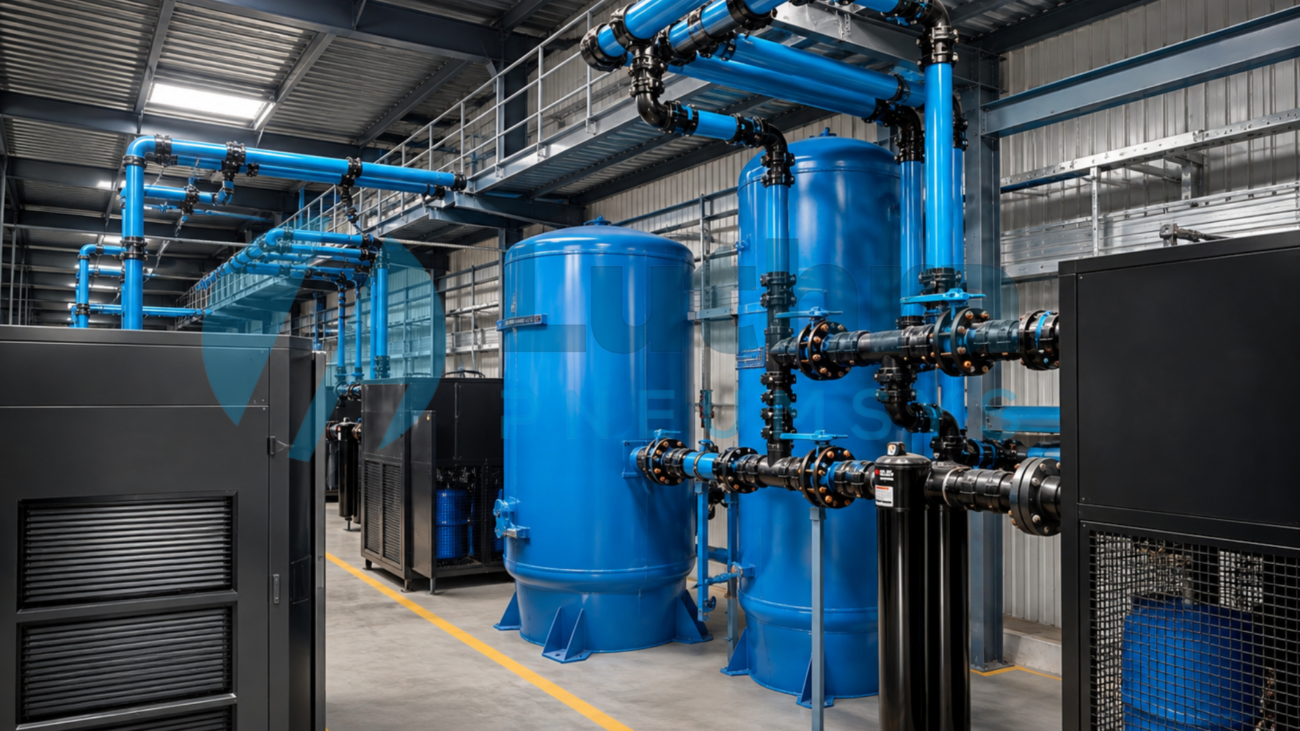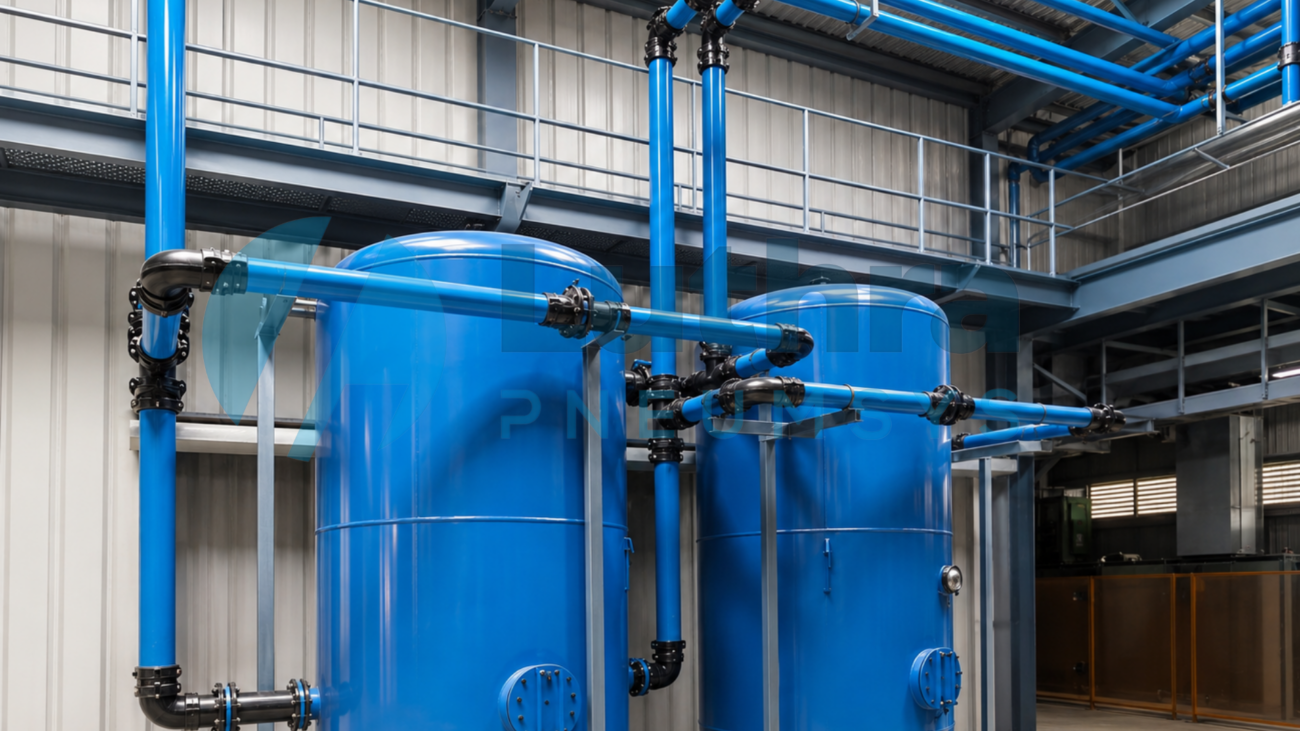
A reliable compressed air distribution network is essential for manufacturing plants, workshops, automotive facilities, pharmaceutical units and other industrial operations. Choosing the right compressed air pipe and fittings helps maintain consistent airflow, minimise leakage and support efficient equipment performance. However, the total cost depends on several factors, including pipe material, diameter, system pressure, fittings, installation requirements and the layout of the facility.
In India, businesses evaluating a compressor piping system should consider more than the initial purchase price. The right piping solution can reduce maintenance requirements, improve air distribution and support long-term operational efficiency. Aluminium piping systems are increasingly considered for industrial compressed air applications because of their lightweight construction, corrosion resistance and modular connection options.
This buying guide explains the main factors affecting compressed air pipework prices in India, the available materials, common fittings, technical specifications and practical considerations for selecting a suitable system for your facility.
Understanding Compressed Air Pipe and Fittings
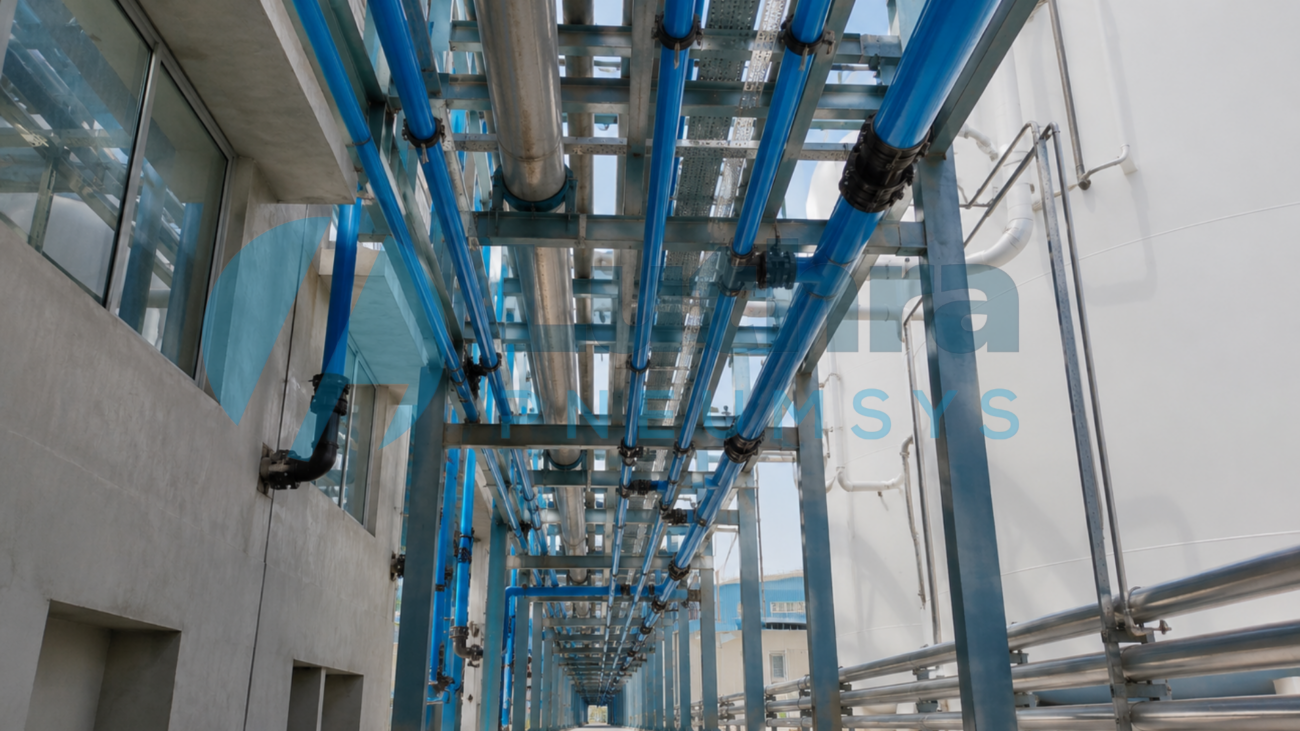
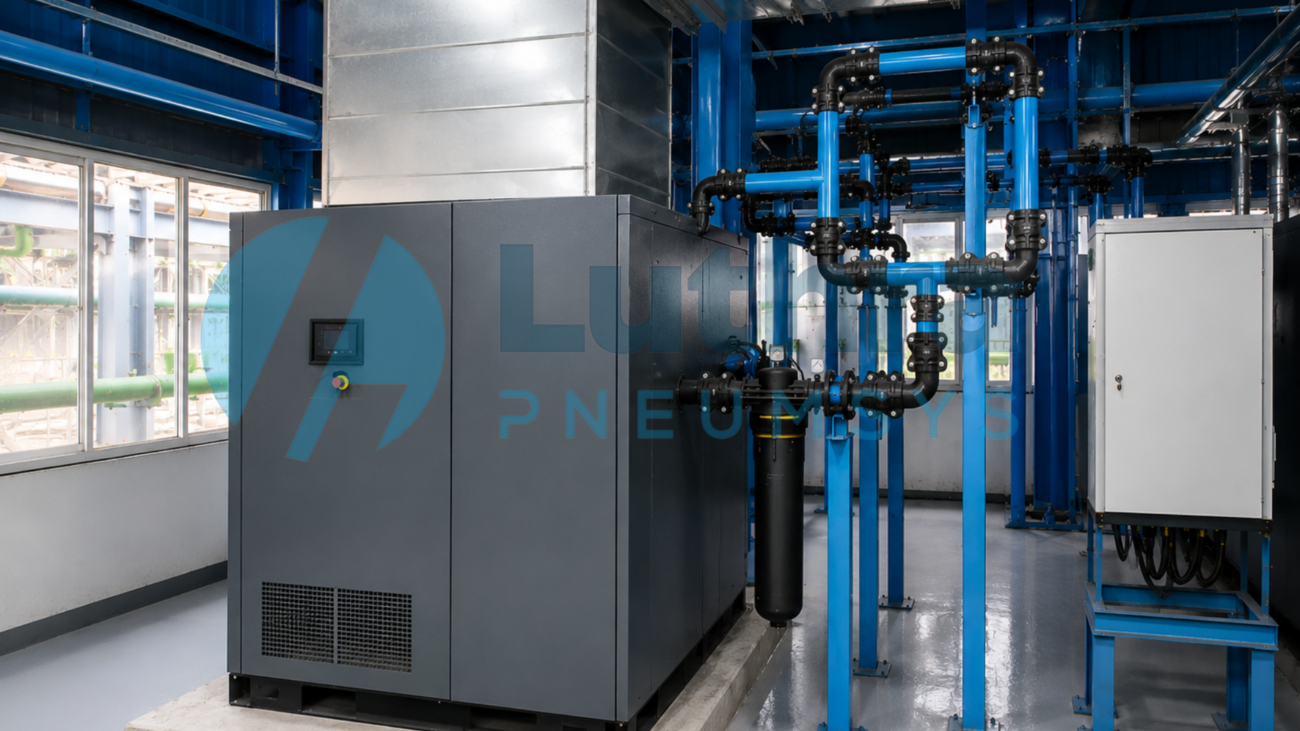
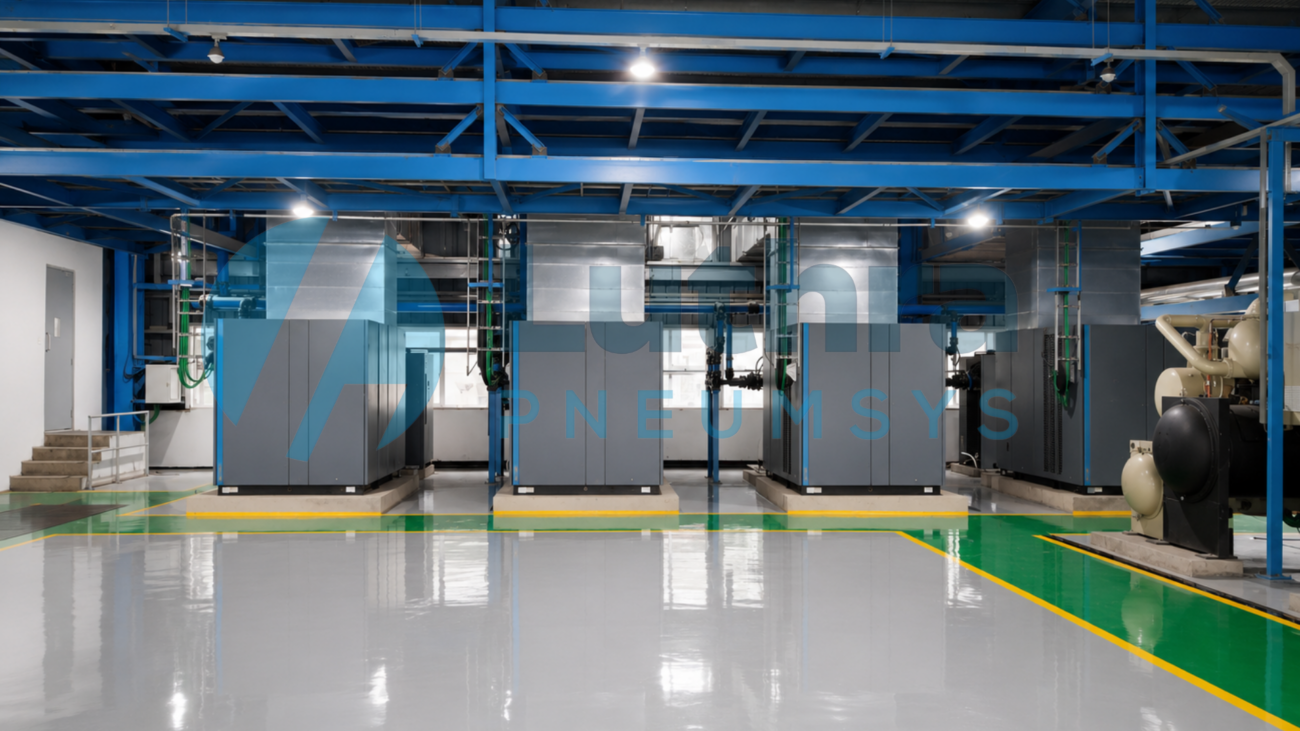
Compressed air pipe and fittings form the distribution network that carries compressed air from the compressor room to production equipment, pneumatic tools, machinery and workstation outlets. Pipes provide the main route for airflow, while fittings connect pipe sections, change direction, reduce diameter or create branches for additional equipment.
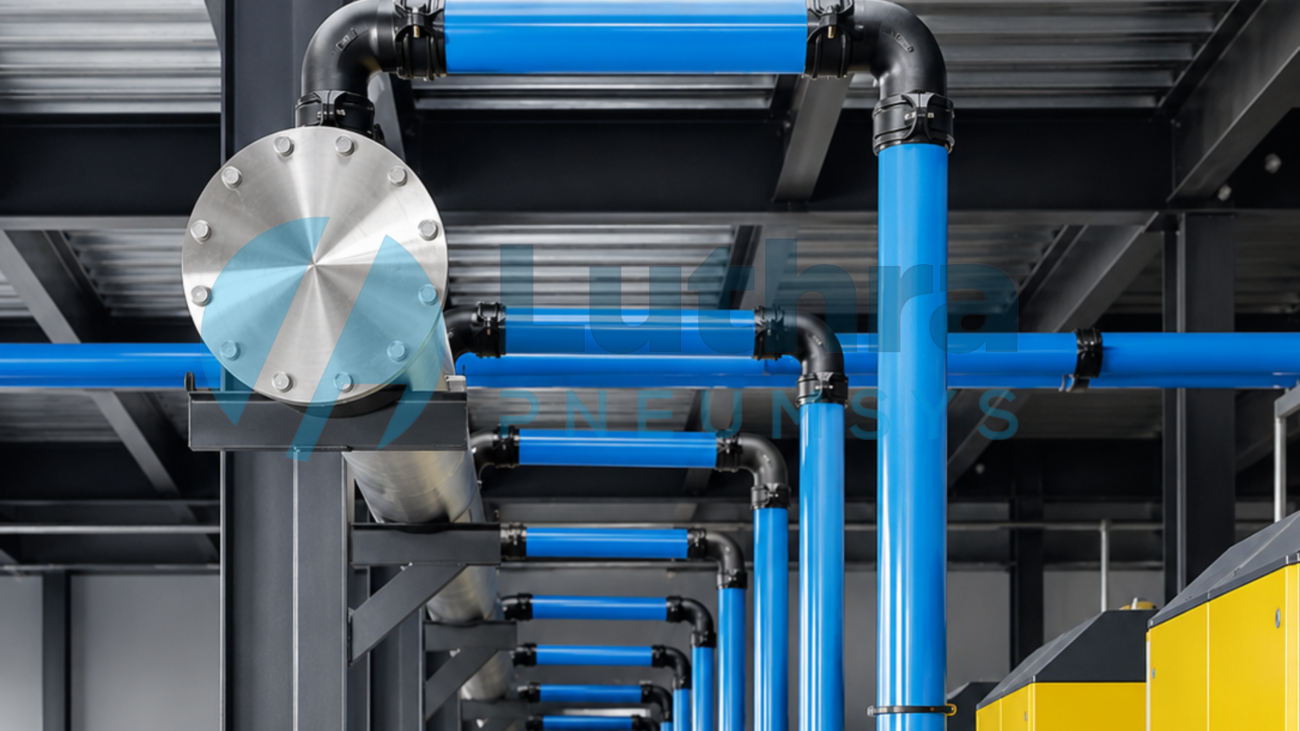
A complete compressor piping system may include straight pipes, connectors, elbows, tees, reducers, threaded adaptors, end caps, couplings, manifolds and outlet connections. The required components depend on the number of machines, the distance between the compressor and equipment, the operating pressure and the quantity of air consumed.
Selecting compatible components is important for maintaining a secure, leak-resistant network. Pipe diameter should also be calculated according to airflow demand and acceptable pressure drop rather than selected solely on the basis of purchase price. An appropriately designed system can help equipment receive the required air pressure without unnecessary compressor energy consumption.
Compressed Air Pipe and Fittings Price in India
The compressed air pipe and fittings price in India varies according to the material, pipe diameter, wall thickness, pressure rating, connection technology and quantity purchased. Aluminium, stainless steel and other piping materials serve different operating requirements, so comparing products solely by their price per metre may produce misleading results.
The following table provides a buying framework for comparing costs. These are cost categories, not verified market quotations; actual prices should be obtained from suppliers based on the required specification.
| Cost component | Main pricing factors | What to check |
|---|---|---|
| Aluminium air pipes | Diameter, alloy, coating and length | Price per metre or pipe length |
| Push-fit fittings | Size, connection type and design | Unit price and compatibility |
| Groove-fit fittings | Diameter, coupling and adaptor type | Complete connection cost |
| Stainless steel pipes | Grade, diameter and wall thickness | Material specification and finish |
| Elbows and tees | Size and connection configuration | Quantity and unit rate |
| Installation | Pipe routing, labour and accessibility | Labour and commissioning charges |
| Supporting accessories | Clamps, brackets and other requirements | Whether included in the quotation |
For an accurate project estimate, request separate prices for pipes, fittings, accessories, supports, installation and testing. Confirm whether transportation, taxes and commissioning are included in the final quotation. This approach makes supplier comparisons more transparent and helps prevent unexpected expenses during installation.
Factors That Affect Compressed Air Pipework Prices
Pipe diameter is one of the major cost factors. Larger pipes generally require more material and may involve different fittings and handling requirements. Nevertheless, undersized pipes can increase pressure losses, so choosing a smaller diameter simply to reduce the initial investment may increase operating costs.
Material selection also affects the overall budget. Aluminium systems offer lightweight construction and modular connection options, while stainless steel may be appropriate where specific cleanliness, environmental or process requirements apply. The material must be compatible with the conveyed medium, working pressure, temperature and site conditions.
The number and type of fittings can significantly influence the total price of compressed air pipework. A layout with numerous branches, directional changes, reducers and equipment outlets will need more components than a straightforward distribution line. Installation complexity, ceiling height, existing infrastructure and shutdown requirements can also affect labour charges.
Finally, the total quantity purchased, supplier availability, delivery location and project schedule may influence the commercial quotation. For this reason, buyers should prepare a detailed piping layout and component schedule before requesting prices. A complete bill of materials provides a more realistic estimate than a basic pipe-only calculation.
Aluminium Compressed Air Piping: Sizes and Specifications
Aluminium piping is a practical option for many industrial compressed air distribution applications. Its lightweight construction can simplify handling and installation, while its protected internal surface can help limit oxidation and support air quality when the system is correctly specified and maintained.
The supplied Techspecs product catalogue describes aluminium push-fit piping in sizes from 20 mm to 63 mm and aluminium groove-fit piping from 40 mm to 250 mm. It lists standard pipe lengths of 5.8 metres for these ranges. These sizes provide a useful starting point when preparing a component schedule, although the final selection should be based on system calculations and the supplier’s current specifications.
The catalogue also describes aluminium alloy EN AW 6063/6060 in T5/T6 conditions, with external powder coating and internal treatment. Its listed technical characteristics include a maximum working pressure of 16 bar and a continuous service temperature range of -20°C to 100°C for the specified aluminium system. Buyers should verify the exact model, applicable operating limits and current documentation before ordering.
Comparing Aluminium and Stainless Steel Piping
| Feature | Aluminium piping | Stainless steel piping |
|---|---|---|
| Material | Aluminium alloy | Commonly SS304 or SS316L, depending on the product |
| Weight | Generally lightweight | Generally heavier than aluminium |
| Connection options | Push-fit and groove-fit options in the supplied catalogue | Press-fit and groove-fit options in the supplied catalogue |
| Size range in catalogue | Push-fit: 20–63 mm; groove-fit: 40–250 mm | Stainless steel ranges are listed across several product categories |
| Potential advantage | Easier handling and modular installation | Useful where stainless steel material properties are required |
| Selection priority | Pressure, airflow, environment and compatibility | Grade, pressure, fluid compatibility and environment |
The catalogue lists stainless steel press-fit and groove-fit systems using SS304 or SS316L, with a nominal pressure of 16 bar/232 psi and a working temperature range of -20°C to 100°C for the specified range. These values should not automatically be applied to every product or fitting in the catalogue.
The appropriate material depends on the application, required pipe size, environmental exposure, maintenance strategy and total lifecycle cost. Buyers should assess the full system rather than choosing a material based on price alone.
Types of Compressed Air Pipe Fittings
Choosing the correct fittings is essential for a dependable compressor piping system. Straight connectors join two pipe sections, while elbows help route pipes around machinery and structural obstacles. Equal tees distribute air into branch lines, and reducing connectors connect pipes with different diameters. Male and female adaptors provide threaded connections for compatible equipment and accessories.
For larger distribution networks, groove-fit systems provide couplings and specialised components for connecting pipes. The Techspecs catalogue illustrates groove-fit components for aluminium pipes ranging from 40 mm to 250 mm. Its push-fit range includes straight connectors, equal elbows, equal tees, reducers, end caps and threaded adaptors. These components allow the piping arrangement to be configured according to the facility’s requirements.
Before purchasing fittings, confirm the pipe’s outside diameter, connection method, thread standard and pressure rating. Sealing materials must also be compatible with the intended application. Correct installation and inspection help minimise leakage and maintain reliable airflow throughout the distribution network.
How to Calculate the Total Cost of a Compressor Piping System?
Estimating the cost of a compressor piping system starts with measuring the required pipe routes and identifying each connection point. Prepare a layout showing the compressor room, main distribution line, branch lines, machine outlets, bends and vertical sections. This helps determine the quantity of pipe and the number of fittings required.
For example, if a project requires 100 metres of piping, the basic material calculation is the total pipe quantity multiplied by the supplier’s quoted rate per metre. Add the cost of connectors, tees, elbows, reducers, couplings, supports, installation labour and commissioning. Include applicable taxes and transportation where they are not already included.
| Budget item | Calculation method |
|---|---|
| Pipe material | Required length × quoted unit rate |
| Fittings | Quantity of each fitting × unit price |
| Installation | Quoted labour and installation charges |
| Supports and accessories | Quantity × applicable unit rate |
| Testing and commissioning | Supplier or contractor quotation |
| Total project estimate | Sum of all applicable costs |
This calculation provides a preliminary budget rather than a final quotation. Allow for cutting waste and installation requirements, but avoid unnecessary over-ordering. A qualified designer or installer should confirm pipe sizing, pressure drop, support spacing and safety requirements before the project proceeds.
Buying Guide for Industrial Compressed Air Pipework in India
When comparing suppliers, request detailed technical specifications, product identification numbers, material details and written quotations. Check whether the quotation covers the complete piping network or only the pipes. Confirm product availability, delivery timelines, warranty conditions and the availability of replacement fittings.
The supplied Techspecs catalogue also describes aluminium push-fit and groove-fit systems, stainless steel press-fit products and sealing options for different applications. It lists technical and quality information, including ISO 9001:2015 certification for connector manufacturing facilities and product-specific pressure and temperature specifications. Buyers should request the relevant current certificates and confirm which claims apply to the exact products being purchased.
For industrial facilities in India, the final purchasing decision should consider the operating environment, compressor capacity, expected airflow demand, future expansion and maintenance requirements. A properly designed network can help control leakage, reduce avoidable pressure losses and support more efficient compressed air distribution.
Conclusion
Finding the right compressed air pipe and fittings price in India requires balancing initial investment, technical suitability, installation cost and long-term performance. Aluminium push-fit and groove-fit systems provide different size ranges and connection options, while stainless steel solutions can meet other application requirements.
By reviewing specifications, preparing a detailed bill of materials and comparing itemised quotations, industrial buyers can make more informed purchasing decisions. A correctly designed compressor piping system supports dependable airflow, and carefully selected compressed air pipework can contribute to efficient, reliable industrial operations.
Frequently Asked Questions
What is the price of compressed air pipe and fittings in India?
The price depends on pipe material, diameter, connection type, quantity and installation requirements. Request an itemised quotation for the complete system to establish the actual project cost.
Which pipe material is suitable for a compressor piping system?
Aluminium and stainless steel are possible options, depending on operating conditions, air quality requirements, environmental exposure and budget. The final selection should follow an engineering assessment.
What sizes are available for aluminium compressed air pipes?
The supplied Techspecs catalogue lists aluminium push-fit pipes from 20 mm to 63 mm and groove-fit pipes from 40 mm to 250 mm. Availability and specifications should be confirmed before ordering.
What fittings are required for compressed air pipework?
Common components include straight connectors, elbows, tees, reducers, threaded adaptors, couplings and end caps. The quantities depend on the distribution layout and equipment connections.
How can compressed air piping costs be reduced?
Accurate pipe sizing, efficient routing, compatible fittings and professional installation can help reduce waste, leakage and future maintenance expenses. Compare complete system quotations rather than pipe prices alone.
What should buyers check before purchasing compressed air pipes?
Review the material, pipe diameter, pressure rating, operating temperature, fitting compatibility, sealing materials, technical documentation and warranty terms. Confirm that all components are suitable for the intended service.