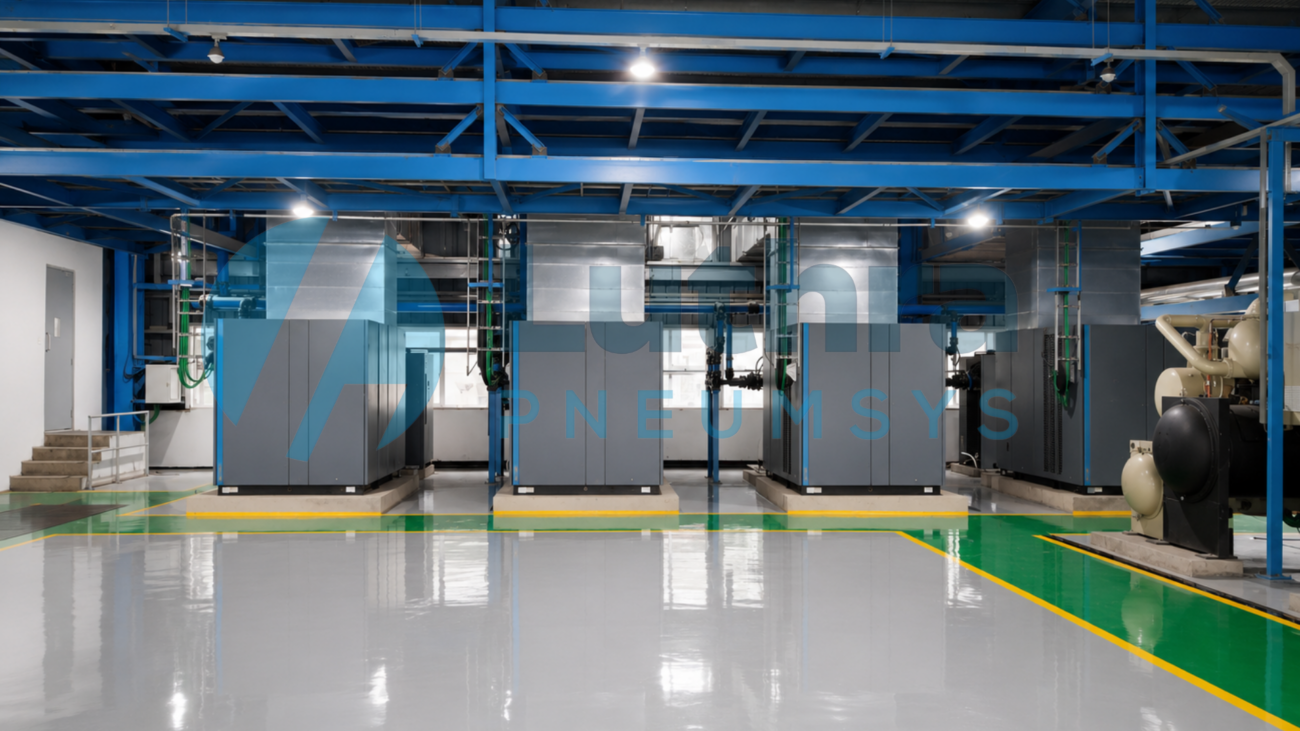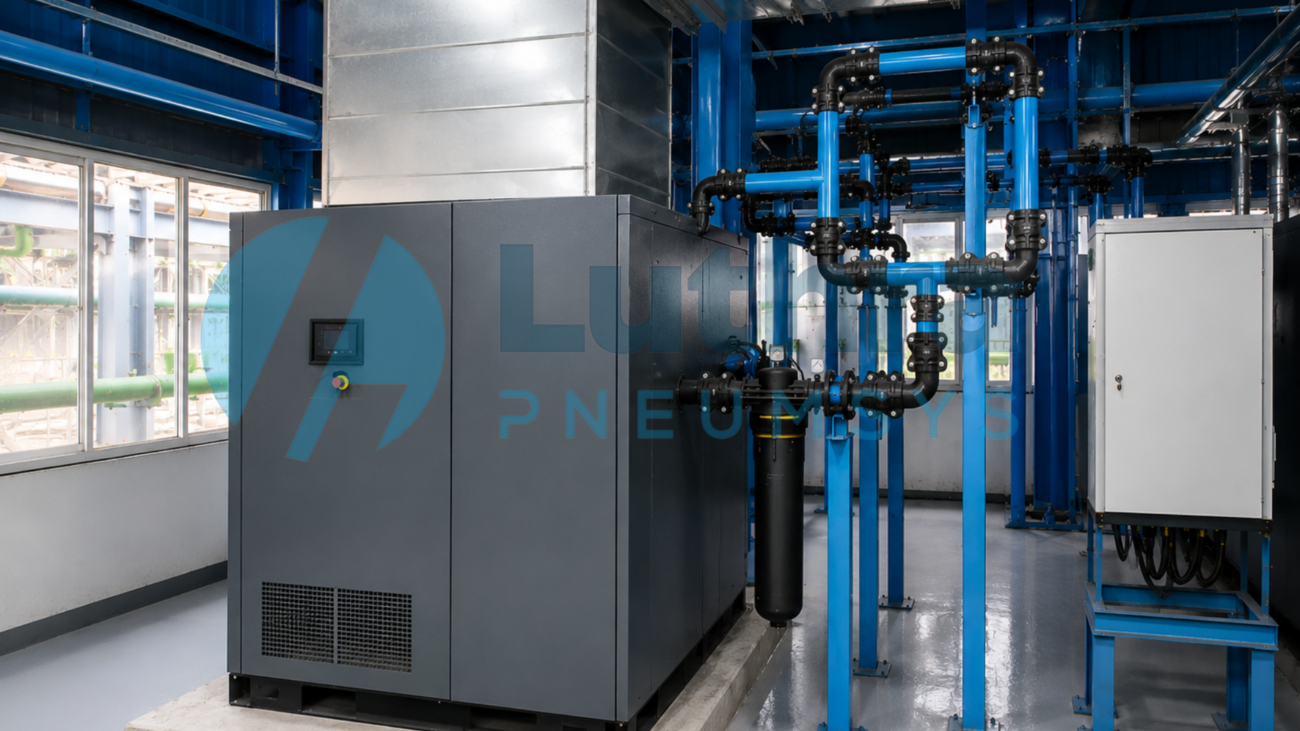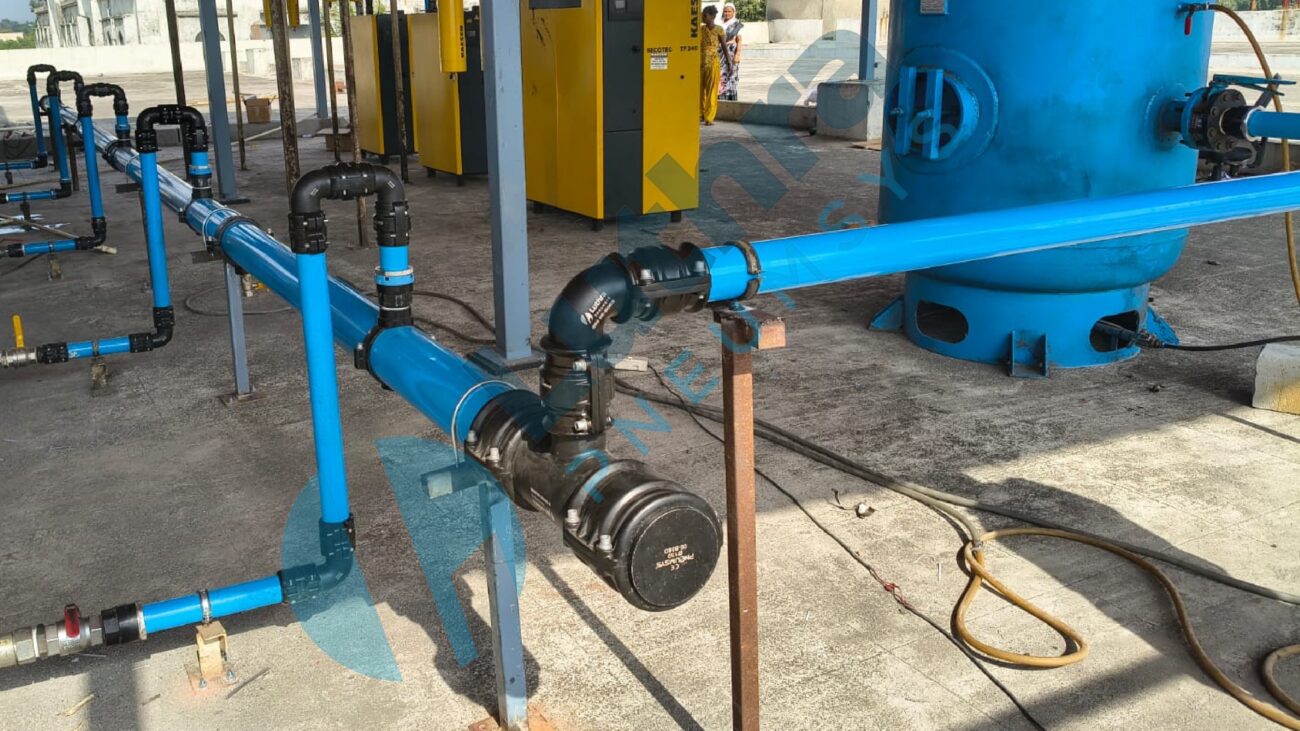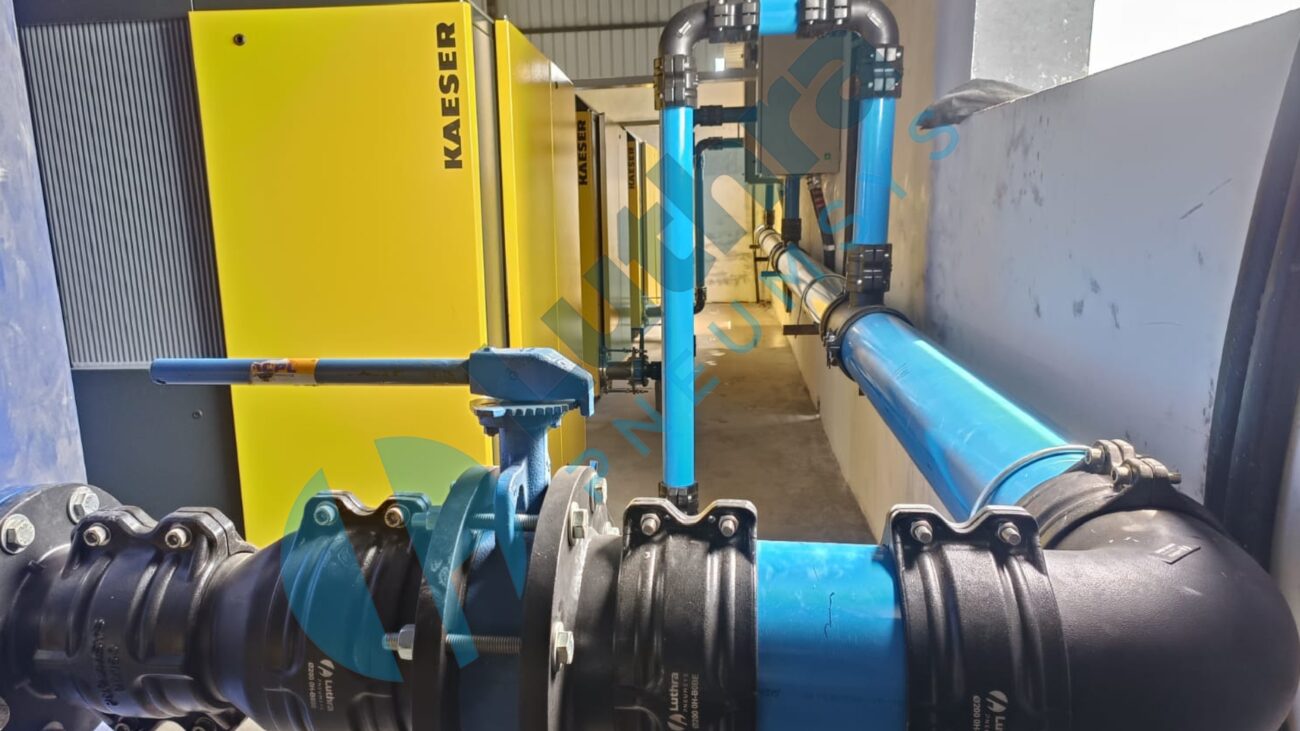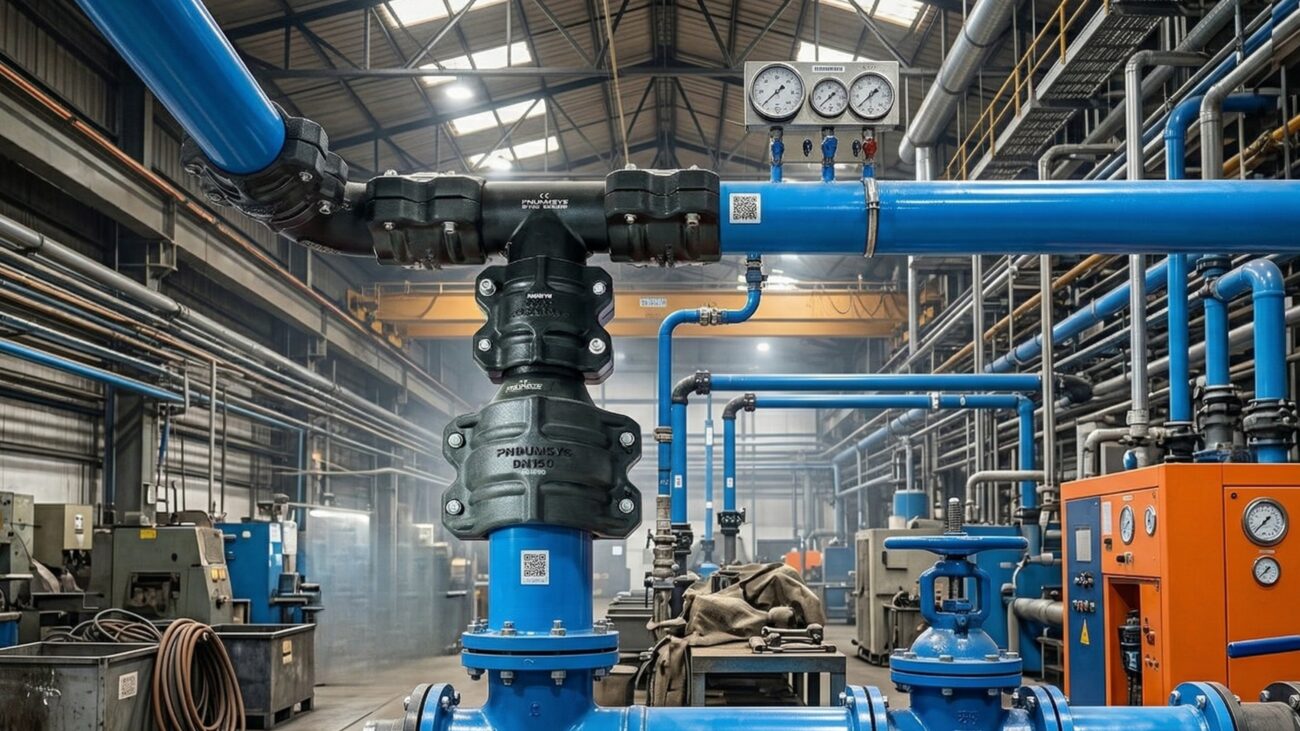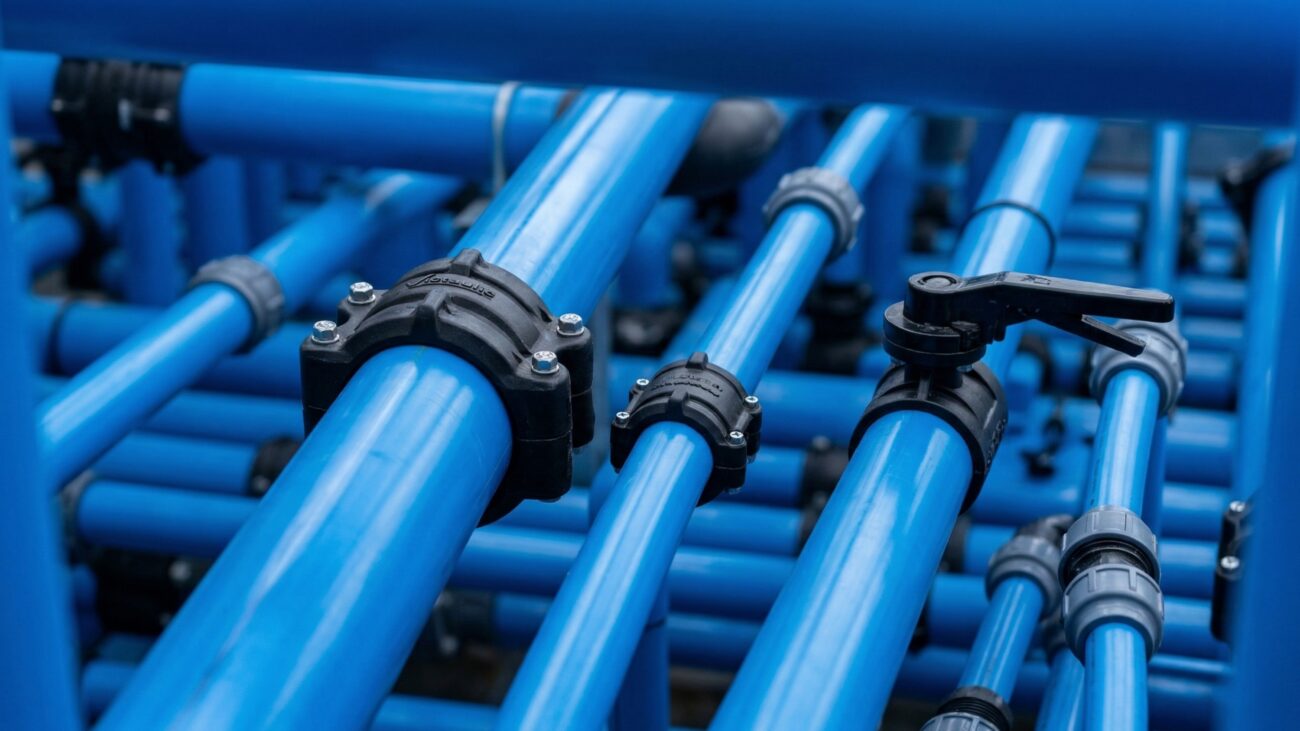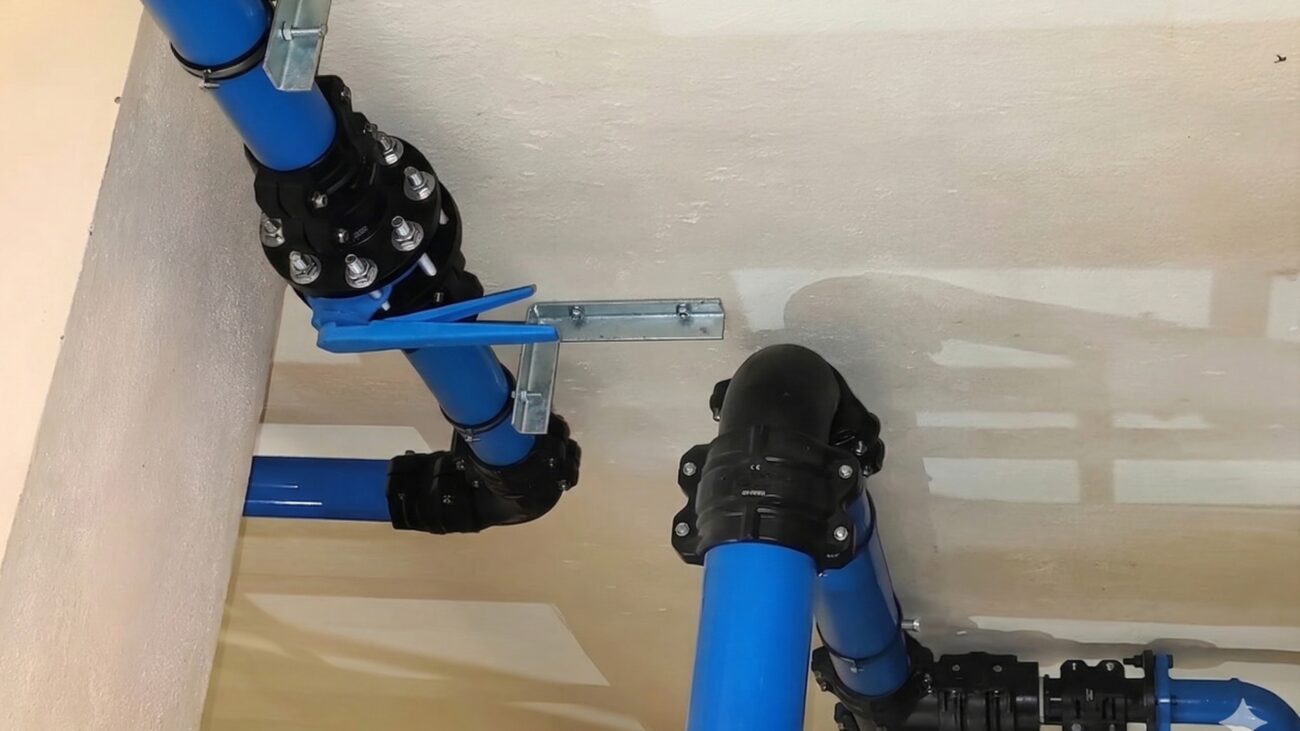
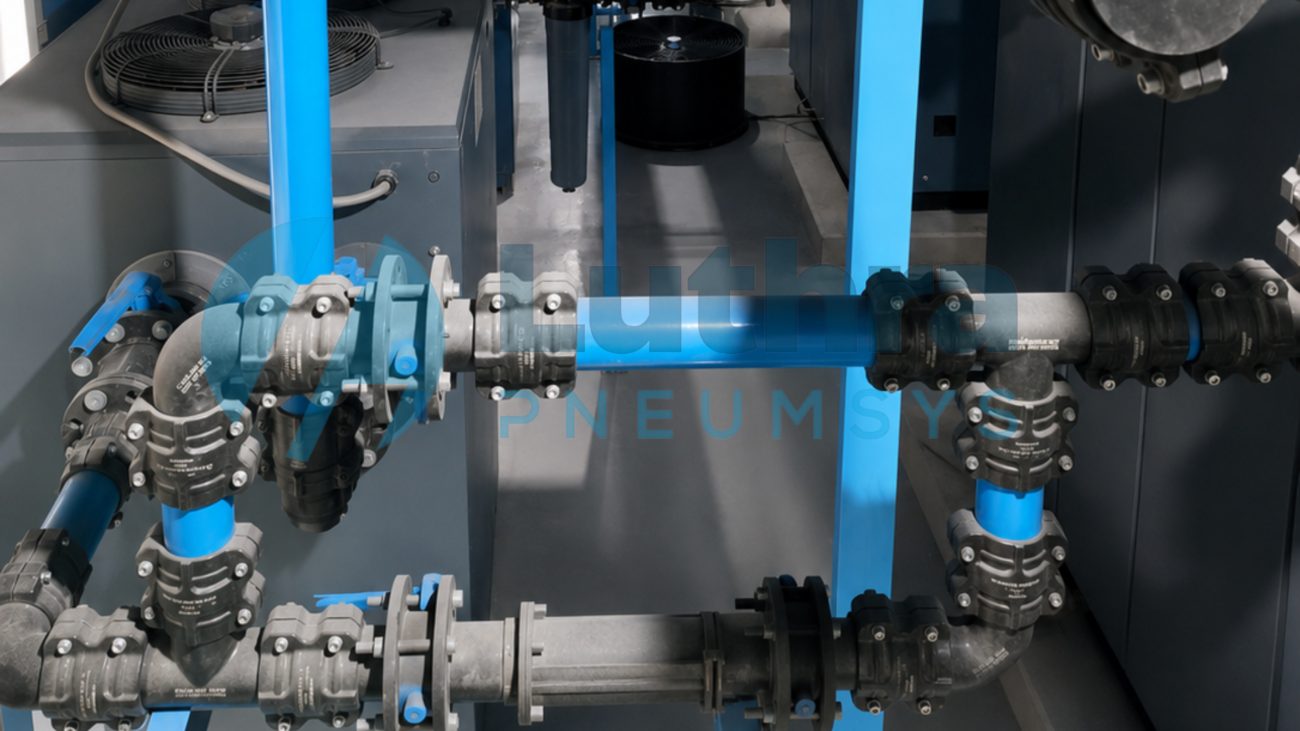
Compressed air is an essential utility across manufacturing plants, workshops, automotive facilities, pharmaceutical units, food processing industries and many other industrial applications in India. A well-designed piping network ensures that compressed air reaches every workstation with the required pressure and flow. Among the available solutions, aluminum compressed air piping has become a preferred choice for industries looking for a clean, efficient and durable air distribution system.
Traditional piping materials can be heavy, difficult to install and time-consuming to modify. Aluminium offers a practical alternative because it combines strength with lightweight construction and excellent corrosion resistance. A properly designed aluminium compressed air piping system can support efficient air movement while reducing pressure losses and simplifying installation, maintenance and future expansion.
Why Aluminium Is Suitable for Compressed Air Distribution?
The performance of a compressed air network depends greatly on the quality and design of its piping. Aluminium piping provides a smooth internal surface that helps compressed air flow efficiently through the network. Reduced friction can help minimise pressure drops, allowing equipment to receive air more consistently and supporting better overall system performance.
Another important advantage of aluminium is its lightweight construction. Compared with many conventional metal piping options, aluminium pipes are easier to handle during installation. This can simplify transportation, positioning and assembly within industrial facilities. It can also make modifications easier when a production line is expanded or machinery is relocated.
Corrosion resistance is another major benefit, particularly in industrial environments where moisture may be present in compressed air systems. Aluminium does not develop rust in the same way as conventional steel piping. This characteristic helps maintain the integrity of the piping network and supports a cleaner compressed air distribution environment.
For Indian industries, where production efficiency and long-term operating costs are important considerations, selecting the right piping material can make a significant difference. An appropriately designed aluminium compressed air piping system can provide a combination of durability, flexibility, easy installation and efficient air distribution.
Key Benefits of an Aluminium Compressed Air Piping System
One of the key benefits of aluminum compressed air piping is its ease of installation. Aluminium piping systems are generally lightweight and can be assembled efficiently using suitable fittings and connection methods. This can help reduce installation time and minimise disruption to ongoing industrial operations.
The modular nature of an aluminium system also makes future changes more convenient. Manufacturing facilities frequently add machinery, create new workstations or change production layouts. An adaptable piping network can accommodate these requirements without requiring extensive reconstruction of the entire compressed air infrastructure.
A smooth internal pipe surface contributes to efficient airflow by reducing resistance within the pipeline. When pressure losses are controlled, compressed air equipment can operate more effectively. This is particularly valuable in applications where tools, pneumatic machinery and automated systems require a dependable air supply.
Maintenance is another area where aluminium piping can offer practical advantages. Its corrosion-resistant properties and lightweight design can simplify inspection, replacement and modification work. When combined with appropriate filtration, drying and drainage arrangements, an aluminium compressed air piping system can support a dependable compressed air network for years.
Applications Across Indian Industries
Compressed air is widely used in automotive manufacturing for pneumatic tools, assembly equipment, painting applications and automated machinery. A properly engineered aluminum compressed air piping network can distribute air efficiently across different sections of an automobile production facility while maintaining consistent supply requirements.
Engineering workshops and fabrication units also depend on compressed air for pneumatic tools, cleaning equipment and machinery. Aluminium piping can be configured around workstations and production areas, making it suitable for facilities where the layout may change over time.
Pharmaceutical, food processing and packaging industries require carefully managed compressed air systems because air quality can directly influence production processes. An appropriately designed piping network, combined with suitable air treatment equipment, can help maintain a clean and reliable supply to different production points.
From small workshops to large manufacturing plants, the flexibility of an aluminium compressed air piping system makes it suitable for a wide range of industrial applications. Proper sizing, routing and installation are essential to ensure that the system performs according to the specific requirements of each facility.
Designing the Right Aluminium Piping Network
A successful compressed air installation begins with understanding the plant’s air demand. Factors such as compressor capacity, operating pressure, pipe length, number of outlets, future expansion requirements and the type of pneumatic equipment should be considered before designing the network.
Pipe diameter is particularly important because an undersized pipeline can create unnecessary pressure drops and restrict airflow. On the other hand, selecting suitable pipe dimensions based on actual and future demand can create a more efficient distribution network. A well-planned layout can also reduce unnecessary bends and pressure losses.
The routing of the pipeline should be planned according to the plant layout. Main lines, branch lines, drop points and isolation arrangements should be positioned logically so that compressed air can reach all required locations. Proper drainage provisions are also important for managing moisture within the system.
Working with an experienced industrial piping specialist can help businesses select the appropriate components and configuration. Luthra Pneumsys provides compressed air piping solutions designed around industrial requirements, helping businesses develop practical and efficient air distribution systems for their facilities.
Why Choose Aluminium for Long-Term Industrial Efficiency?
An aluminium compressed air piping network is more than simply a method of transporting compressed air. It forms an important part of the plant’s overall energy and production infrastructure. Efficient air distribution can help reduce avoidable pressure losses and support reliable operation of pneumatic equipment.
The lightweight nature of aluminium can make installation and expansion more convenient. When a factory needs additional air outlets, the modular design of an aluminium compressed air piping system can provide greater flexibility compared with rigid and difficult-to-modify piping arrangements.
A well-maintained system can also contribute to consistent production. When compressed air is delivered at suitable pressure and flow, pneumatic tools and machinery can operate more reliably. This can help businesses maintain productivity while managing their compressed air infrastructure effectively.
For industries planning a new compressed air network or upgrading an existing one, aluminium is a strong option worth considering. The combination of corrosion resistance, lightweight construction, smooth airflow characteristics and adaptability makes it suitable for modern industrial environments across India.
Conclusion
Choosing the right piping material is essential for creating an efficient compressed air network. Aluminum compressed air piping offers Indian industries a practical combination of lightweight construction, corrosion resistance, flexibility and efficient airflow characteristics. A properly engineered aluminium compressed air piping system can support reliable pneumatic operations while making installation, maintenance and future expansion more manageable.
For businesses looking to improve their compressed air infrastructure, focusing on correct system design, suitable pipe sizing, effective routing and proper air treatment is essential. With the right approach, an aluminium piping network can become a dependable part of a modern industrial facility and support efficient compressed air distribution for the long term.
FAQs About Aluminium Compressed Air Piping
What is aluminium compressed air piping?
Aluminum compressed air piping is a piping solution designed to transport compressed air from an air compressor and treatment equipment to different points of use. Aluminium provides a lightweight and corrosion-resistant option for industrial air distribution.
What are the advantages of an aluminium compressed air piping system?
An aluminium compressed air piping system offers benefits such as lightweight construction, corrosion resistance, easy installation, smooth internal surfaces and convenient modification. These features make it suitable for various industrial applications.
Is aluminium piping suitable for manufacturing plants?
Yes, aluminium piping can be suitable for manufacturing plants, workshops, automotive facilities, packaging units, pharmaceutical industries and other applications requiring reliable compressed air distribution. The system should always be designed according to the plant’s pressure, flow and layout requirements.
Can an aluminium compressed air piping system be expanded?
Yes. Properly designed modular aluminium systems can be modified when a plant adds new machines, workstations or production areas. Planning for future expansion during the initial design stage can make subsequent changes easier.
How can I select the right compressed air piping system?
Selection should consider compressor capacity, required operating pressure, air consumption, pipe length, pipe diameter, plant layout, number of outlets and future expansion requirements. Professional system design can help ensure efficient and reliable compressed air distribution.