Understanding the Role of Compressed Air Piping
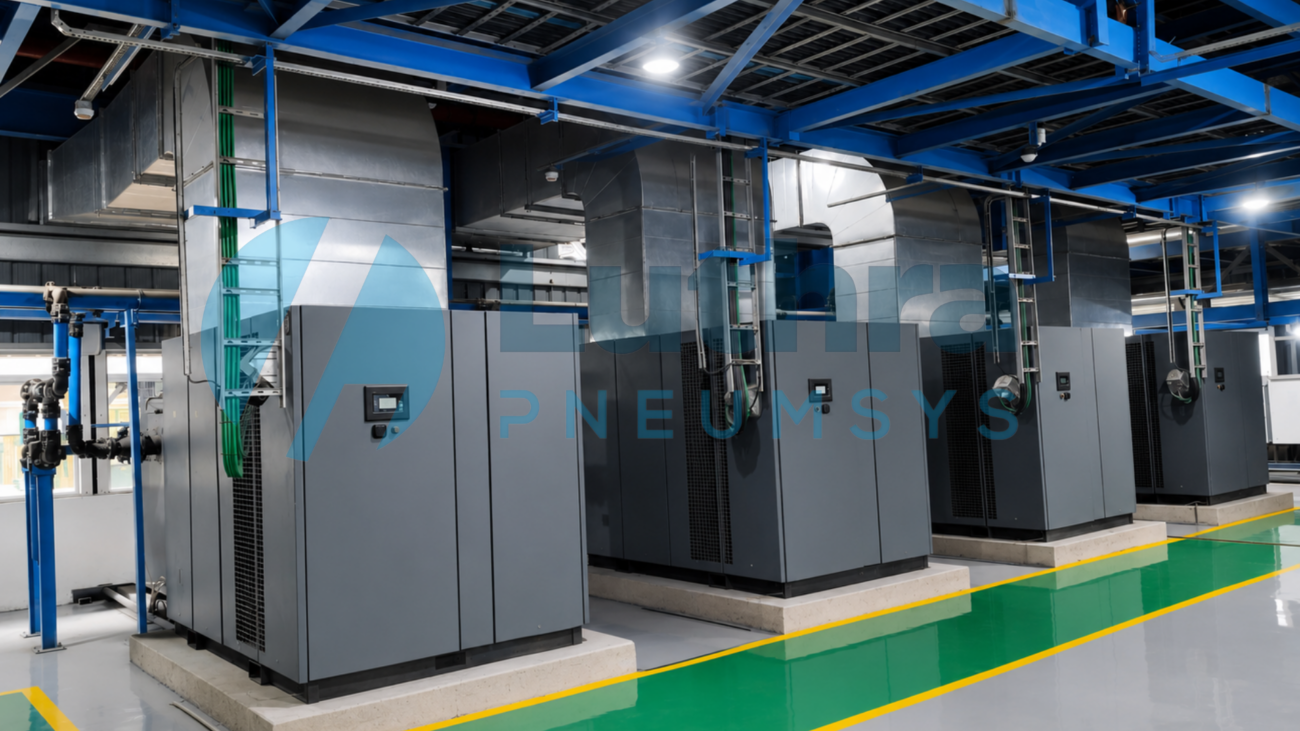
Compressed air is an essential utility for many industries, powering pneumatic tools, automation equipment, actuators, packaging machinery and production systems. While the compressor generates the required air, the distribution network determines how effectively that air reaches individual applications. This makes professional air compressor piping installation an important part of creating a dependable industrial compressed air infrastructure.
An efficiently designed piping network helps transport compressed air from the compressor room to different areas of a facility while maintaining suitable pressure. If the distribution arrangement is poorly designed, the system may experience pressure fluctuations, unnecessary restrictions and air leakage. These issues can affect production efficiency and increase the overall cost of operating compressed air equipment.
For Indian manufacturing units, workshops and processing facilities, selecting the right air compressor piping solution can support smoother operations. The system should be planned around the plant layout, compressor capacity, air consumption, operating pressure and number of points where compressed air is required. A properly planned network also makes future modifications easier.
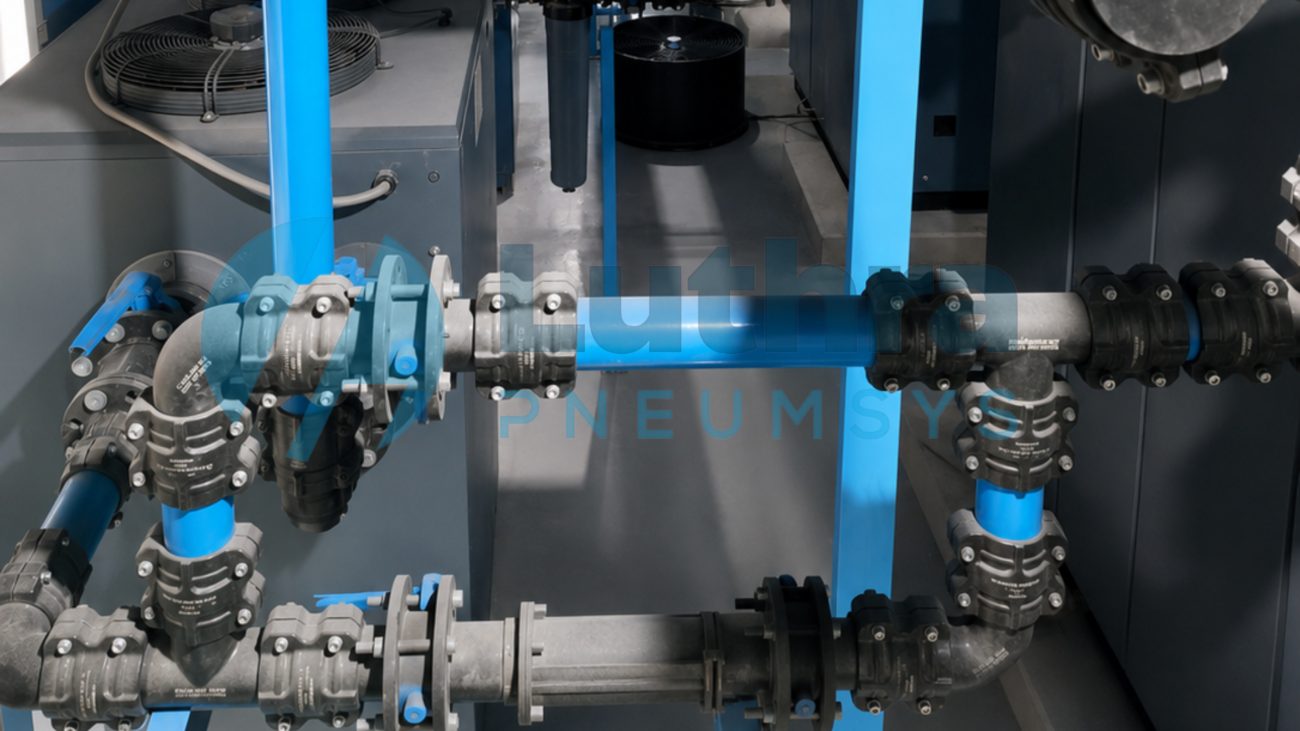
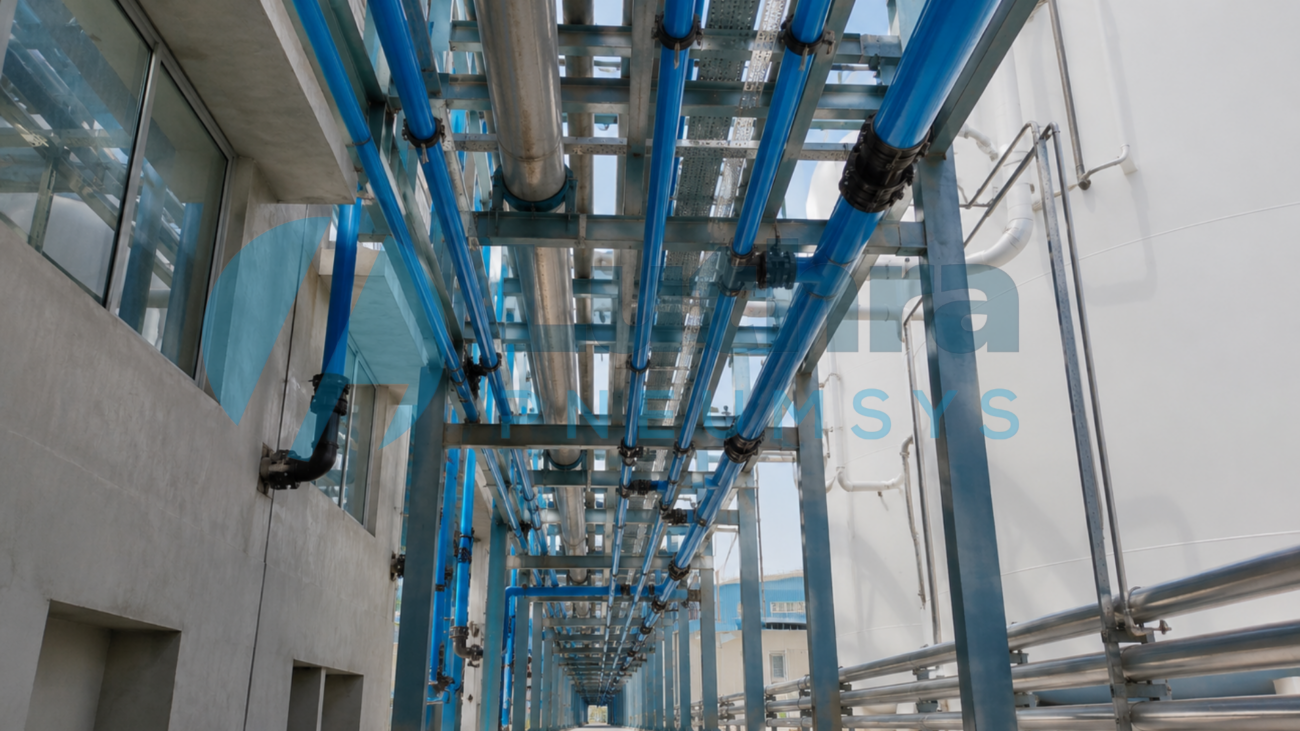
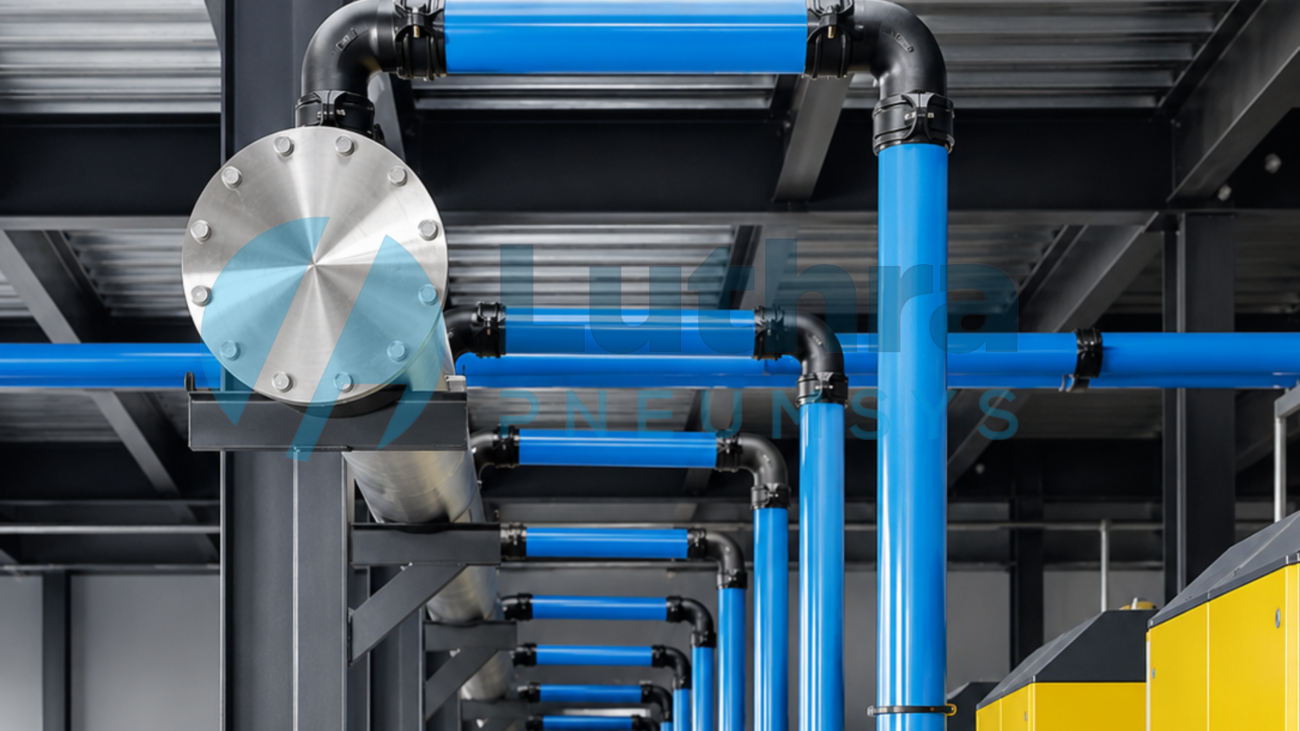
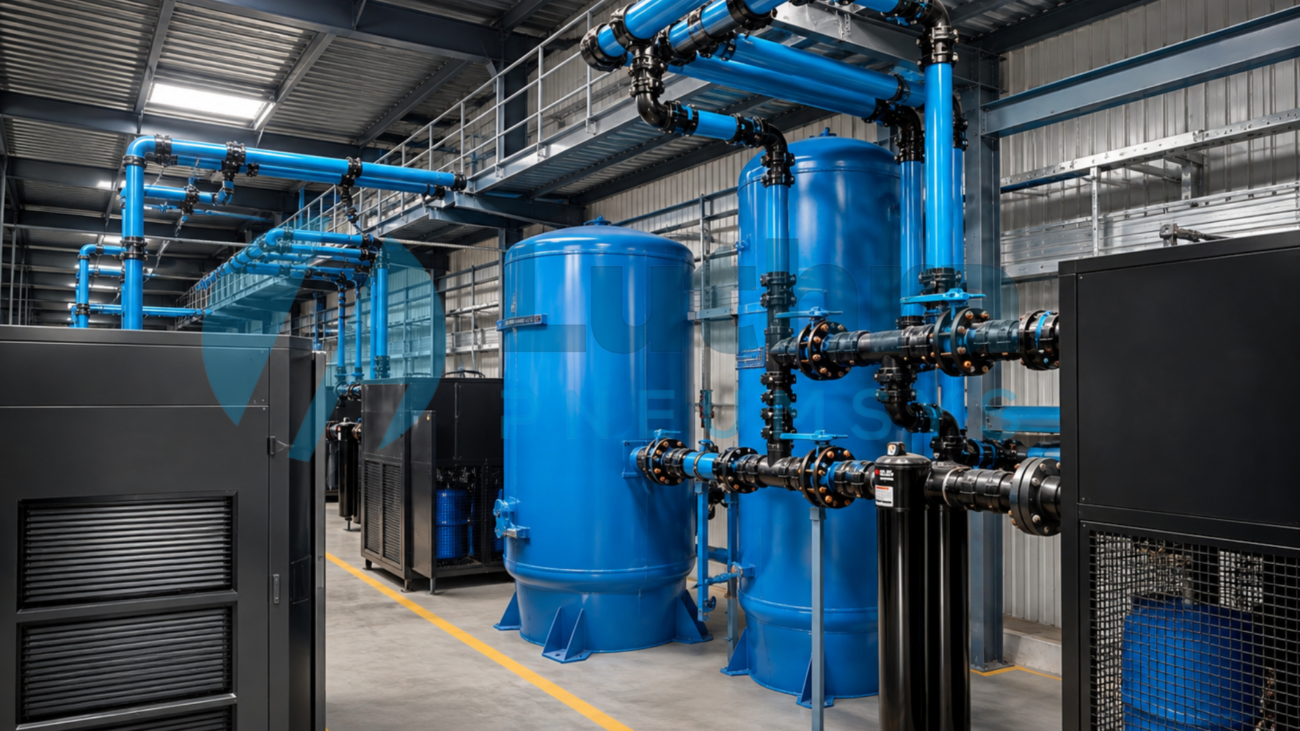
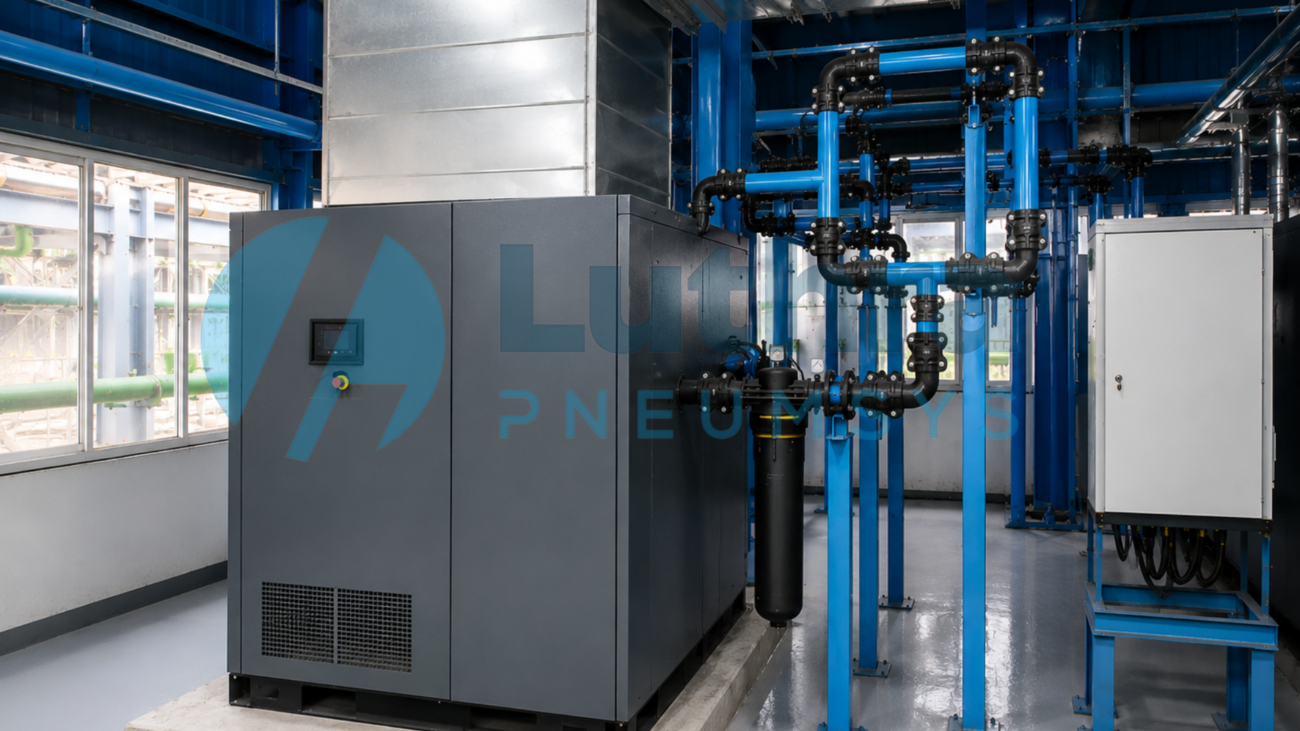
Luthra Pneumsys provides industrial piping solutions for compressed air applications, including aluminium and stainless steel options. The company’s product range is designed to support practical industrial installations where efficient air distribution, dependable connections and organised piping are important considerations.
Why Industrial Facilities Need Efficient Air Distribution?
Compressed air systems can cover large production areas, and air may need to travel considerable distances before reaching a machine. Every section of the distribution network can influence the final pressure available at the point of use. This is why air compressor piping installation should be considered during the initial planning of a compressed air system rather than treated as an afterthought.
An appropriate piping layout can help reduce unnecessary bends, restrictions and long indirect routes. Straightforward routing allows compressed air to move through the network more efficiently and can simplify inspection and maintenance. The arrangement should also provide convenient access to important connection points and isolation valves.
Another important consideration is the demand placed on the system. A small workshop may have relatively few pneumatic applications, whereas a large manufacturing plant may require compressed air at numerous production stations. The air compressor piping design must therefore be matched to both present and anticipated air demand.
A well-planned system can also contribute to a more organised production environment. Permanent compressed air outlets can reduce dependence on long temporary hoses and make air connections easier to manage. This can be particularly useful in facilities where multiple machines operate simultaneously.
Selecting the Right Piping Material
Material selection is an important decision when planning air compressor piping installation. The chosen material should suit the operating environment, pressure requirements, installation method and long-term maintenance expectations of the facility. Different industrial applications can require different piping approaches.
Aluminium piping is widely considered for compressed air distribution because it is lightweight and practical to handle during installation. It can be particularly useful where installations need to be modified or expanded as production requirements change. Its ease of handling can also support faster assembly when the appropriate fitting system is used.
Stainless steel piping can be suitable for environments where corrosion resistance, durability and hygienic considerations are important. The final selection should always be based on the specific operating conditions and requirements of the compressed air network rather than simply choosing a material based on initial cost.
Luthra Pneumsys offers aluminium and stainless steel piping systems with different connection options. This gives industrial users the flexibility to select a solution according to their installation requirements. Proper material selection, combined with professional installation, can contribute to a reliable and long-lasting compressed air distribution network.
Planning an Effective Air Compressor Piping Installation
Before beginning an air compressor piping installation, it is important to understand the complete compressed air requirement of the facility. The compressor output, operating pressure, machine consumption, number of outlets and expected future expansion should be evaluated before determining the piping arrangement.
Pipe diameter should be selected carefully. An undersized pipe can restrict airflow and contribute to pressure loss, particularly when several machines are operating simultaneously. At the same time, the piping design should remain commercially practical and should not add unnecessary installation costs.
The physical layout of the facility should also influence the piping route. A properly planned distribution network can use suitable main lines and branch connections to supply different production areas. Access to isolation points can make maintenance and future modifications more convenient.
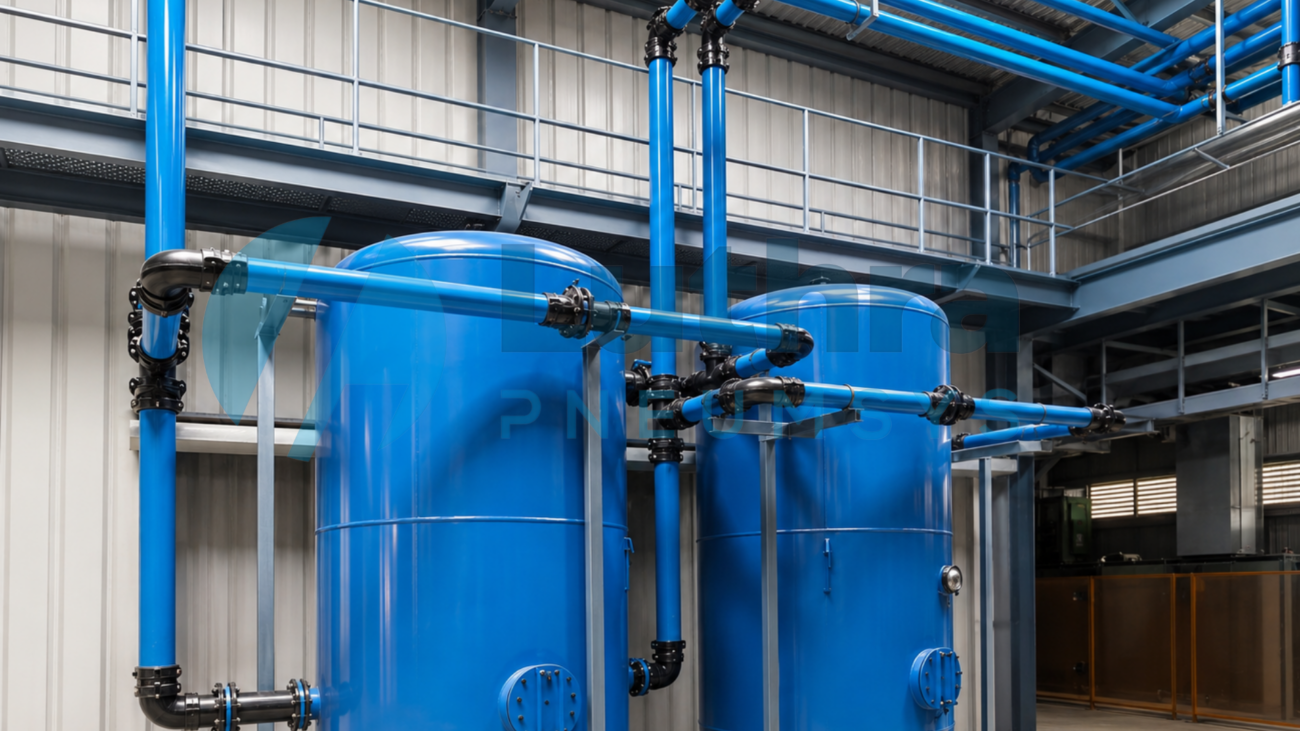
Moisture management is another consideration in compressed air distribution. Condensation can develop within compressed air systems, depending on operating and environmental conditions. Appropriate system design, air treatment and drainage arrangements can help protect downstream pneumatic equipment and maintain the desired quality of compressed air.
How Better Piping Can Support Energy Efficiency?
Compressed air is often described as a valuable but energy-intensive industrial utility. The efficiency of the distribution network can therefore have a direct impact on overall system performance. A poorly designed air compressor piping network may create unnecessary pressure losses, requiring the compressor to work harder to maintain the desired pressure.
Reducing restrictions throughout the network can help compressed air travel more effectively to the point of use. Correct pipe sizing, efficient routing and suitable fittings are therefore important considerations when developing an industrial piping system.
Leakage is another issue that should be addressed. Even relatively small leaks at joints or connections can result in continuous loss of compressed air. During air compressor piping installation, attention to connection quality and proper assembly can help minimise avoidable leakage.
For businesses focused on improving operating efficiency, the piping network should be viewed as part of the overall compressed air system rather than simply as a collection of pipes. Compressor selection, air treatment, storage and distribution should work together to provide dependable performance.
Applications Across Indian Industries
Compressed air is used across a wide range of Indian industries. Automotive manufacturing facilities use pneumatic systems for production and assembly applications, while engineering units may depend on compressed air for tools, machinery and automation.
Packaging and processing facilities also require controlled compressed air distribution for various equipment. In these environments, consistent airflow can be important for maintaining production performance. A suitable air compressor piping installation can help distribute air to multiple workstations without relying on improvised connections.
Fabrication units, workshops and industrial plants may have changing production requirements. Their compressed air networks should therefore be capable of supporting additional connection points when required. Planning for expansion at the design stage can make future changes considerably more manageable.
Luthra Pneumsys serves industrial requirements with piping solutions intended for compressed air applications. Its aluminium and stainless steel product options provide alternatives for businesses seeking to develop or upgrade their compressed air distribution infrastructure in India.
Turning Your Compressed Air Network into a Business Advantage
An efficient compressed air network is not simply an engineering requirement; it can support business productivity. When pneumatic equipment receives dependable compressed air, interruptions caused by inadequate distribution can potentially be reduced. This can help production teams maintain more consistent operations.
A professionally planned air compressor piping installation can also make the system easier to inspect and maintain. Clearly organised pipe routes and accessible connection points allow maintenance teams to identify and address issues more efficiently.
Businesses should also consider future requirements when investing in air compressor piping. Production capacity can increase, new machines can be added and factory layouts can change. A scalable piping design can make these changes easier to accommodate without completely redesigning the network.
For companies looking to improve their compressed air infrastructure, Luthra Pneumsys can provide suitable piping products for industrial applications. Its range of aluminium and stainless steel solutions can help businesses develop organised compressed air distribution systems suited to their operational requirements.
Choosing Luthra Pneumsys for Industrial Piping Requirements
Selecting the right supplier is an important part of any air compressor piping installation project. Industrial customers need solutions that combine suitable materials, reliable fittings and practical installation considerations. The system should also be selected according to the actual requirements of the facility.
Luthra Pneumsys focuses on compressed air and industrial piping solutions, offering aluminium and stainless steel systems for different applications. Its product range includes multiple pipe and fitting configurations intended to provide flexibility during system design and installation.
For Indian industries, having access to appropriate piping solutions can simplify the process of developing a compressed air distribution network. Whether a facility requires a new installation, an extension or an upgrade, the piping arrangement should be planned around airflow requirements and long-term operational needs.
If your business is planning to install or upgrade an industrial compressed air network, choosing the right air compressor piping solution can be an important step towards achieving dependable air distribution. Luthra Pneumsys can help businesses explore piping solutions suited to their compressed air requirements.
Conclusion
A compressor can generate compressed air efficiently only when the distribution system is designed to deliver that air effectively. Professional air compressor piping installation brings together appropriate materials, pipe sizing, routing, fittings and connection methods to create a dependable industrial air network.
For Indian industries, investing in well-planned air compressor piping can support consistent pneumatic equipment performance, easier maintenance and better utilisation of compressed air. Whether you are developing a new facility or improving an existing network, the piping system should be designed according to your current requirements while allowing room for future growth.
Luthra Pneumsys offers aluminium and stainless steel piping solutions for industrial compressed air applications. With suitable planning and the right piping approach, businesses can create a more organised, dependable and efficient compressed air distribution network.
Frequently Asked Questions
What is air compressor piping installation?
Air compressor piping installation involves setting up the pipe network that carries compressed air from the compressor and air treatment equipment to different points of use throughout an industrial facility.
What should be considered before installing compressed air piping?
Important considerations include compressor capacity, airflow requirements, operating pressure, pipe diameter, material, plant layout, number of outlets, moisture management and future expansion requirements.
Is aluminium suitable for air compressor piping?
Aluminium can be a practical option for many compressed air distribution systems because it is lightweight and comparatively easy to handle and install. Suitability depends on the specific application and operating requirements.
Why does pipe size matter in compressed air systems?
Pipe size affects airflow and pressure loss. An appropriately sized air compressor piping network can help deliver compressed air efficiently to different points of use.
Can the piping system be expanded later?
Yes, a properly planned compressed air network can be designed with future expansion in mind. Planning additional capacity and connection points during the initial installation can make future modifications easier.
How can piping affect compressed air energy consumption?
Pressure losses and leakage within a distribution system can contribute to energy wastage. Efficient routing, suitable pipe sizing and quality connections can help improve the overall efficiency of the compressed air network.