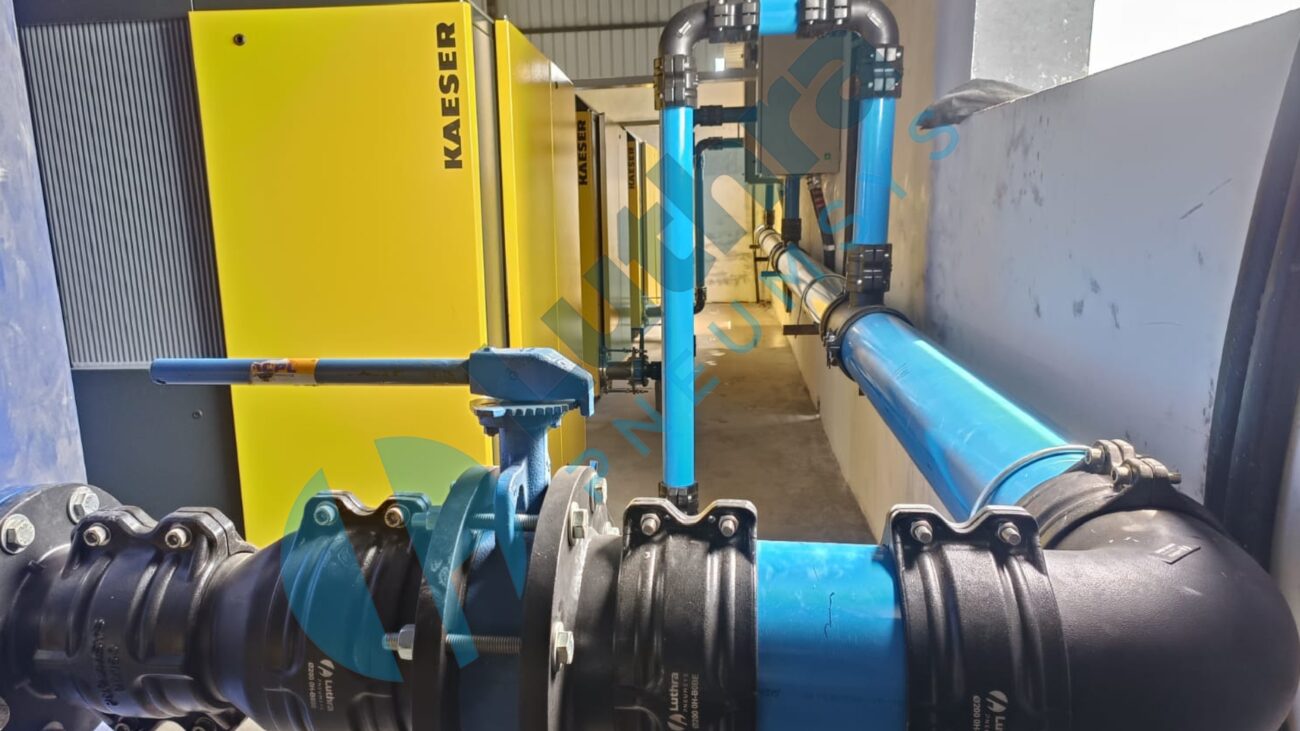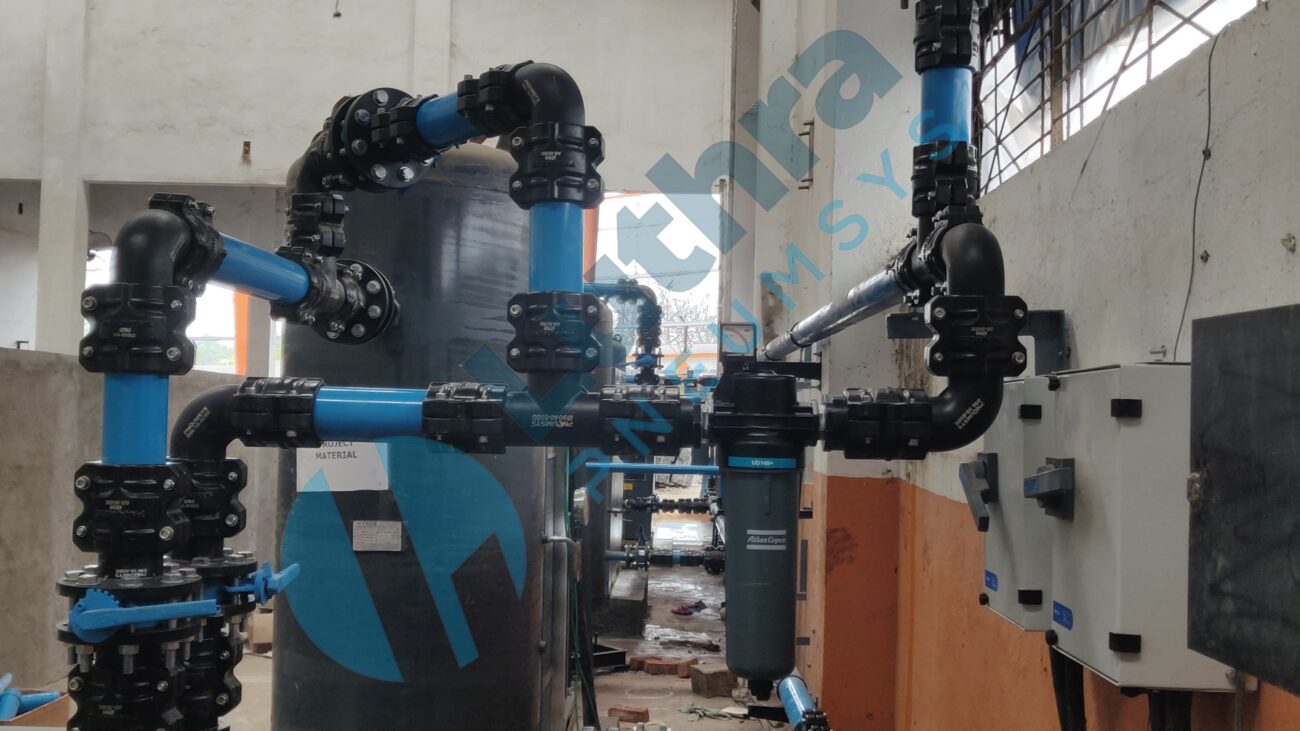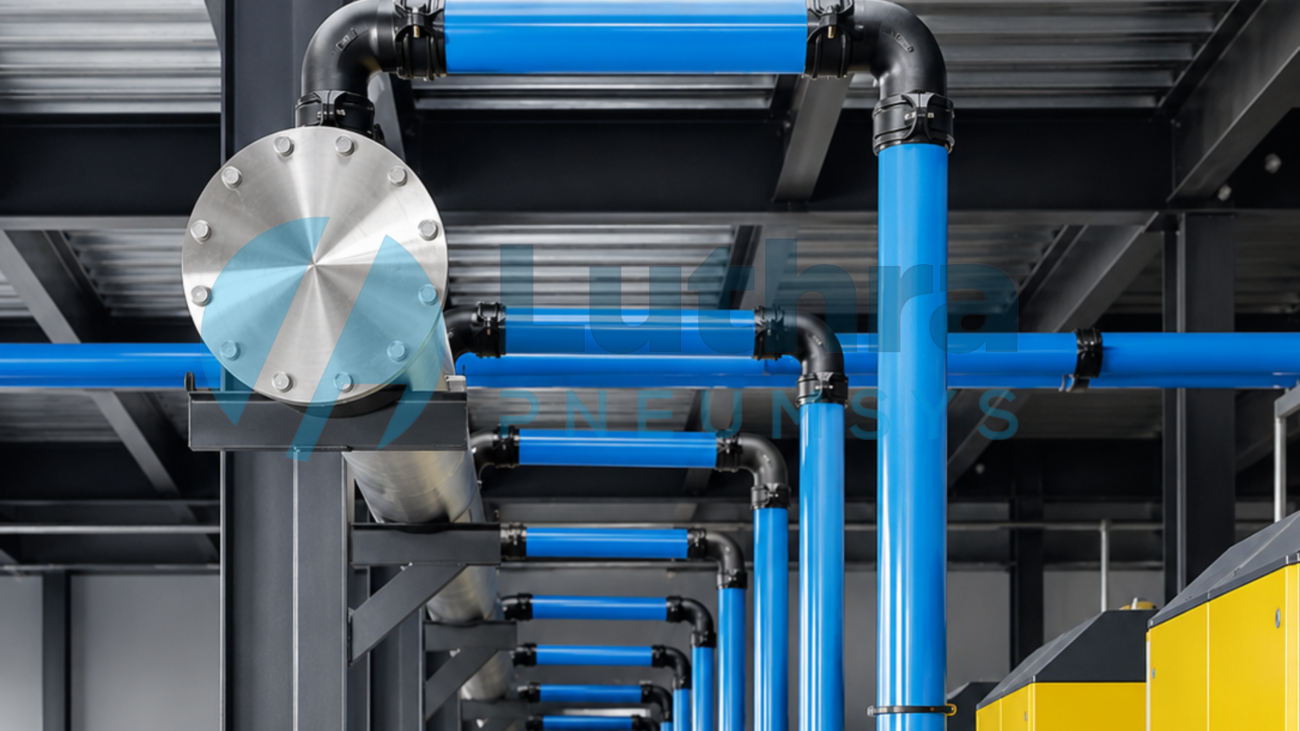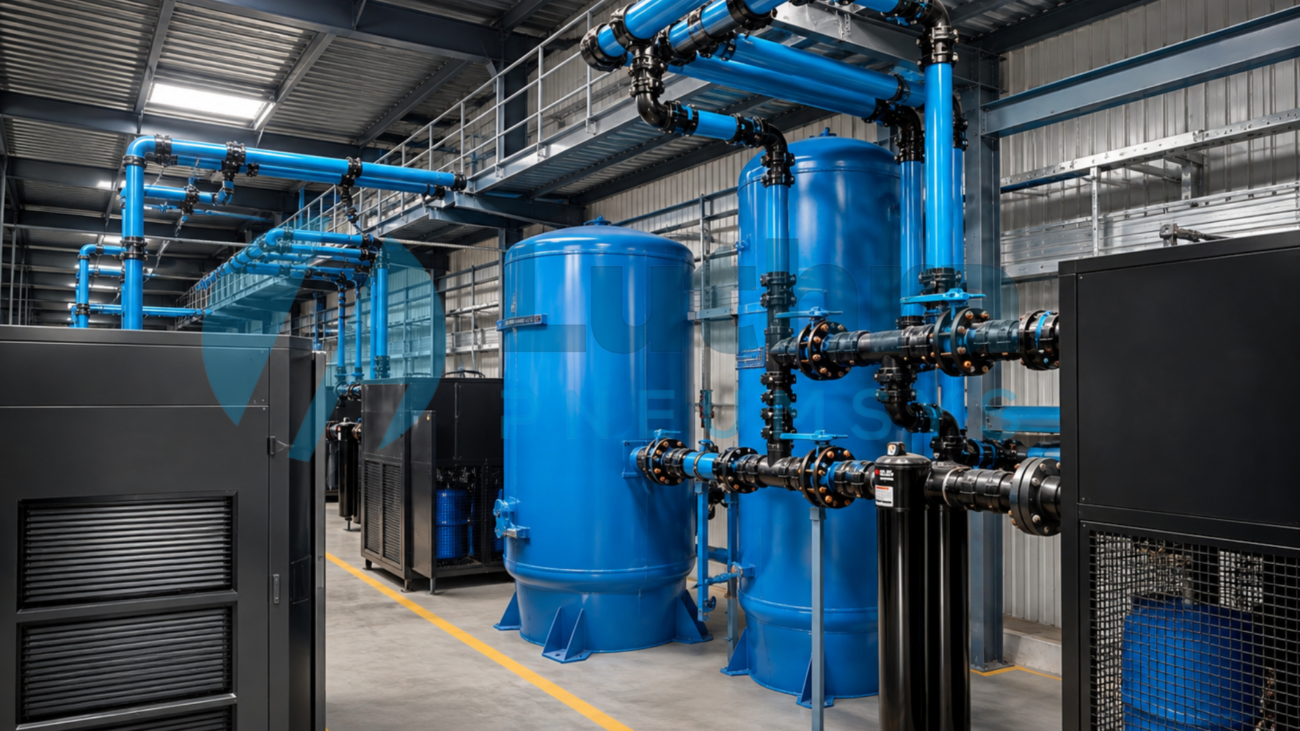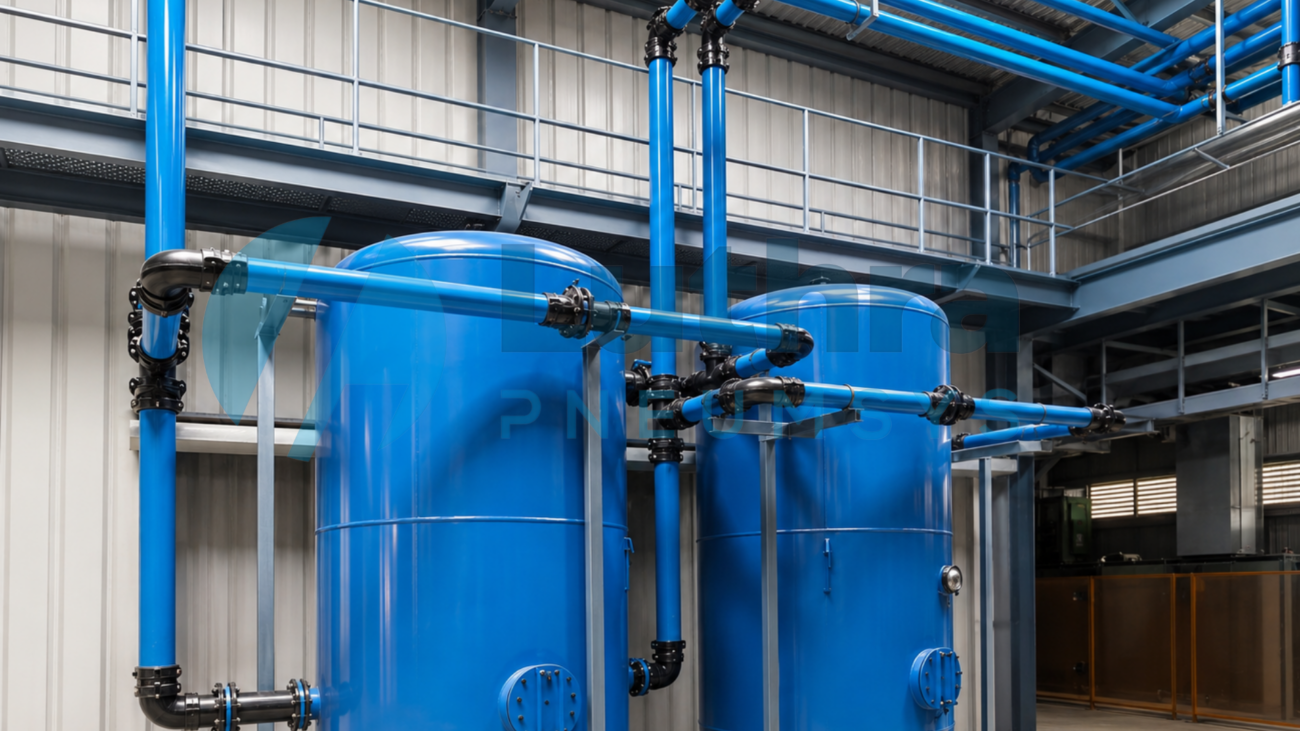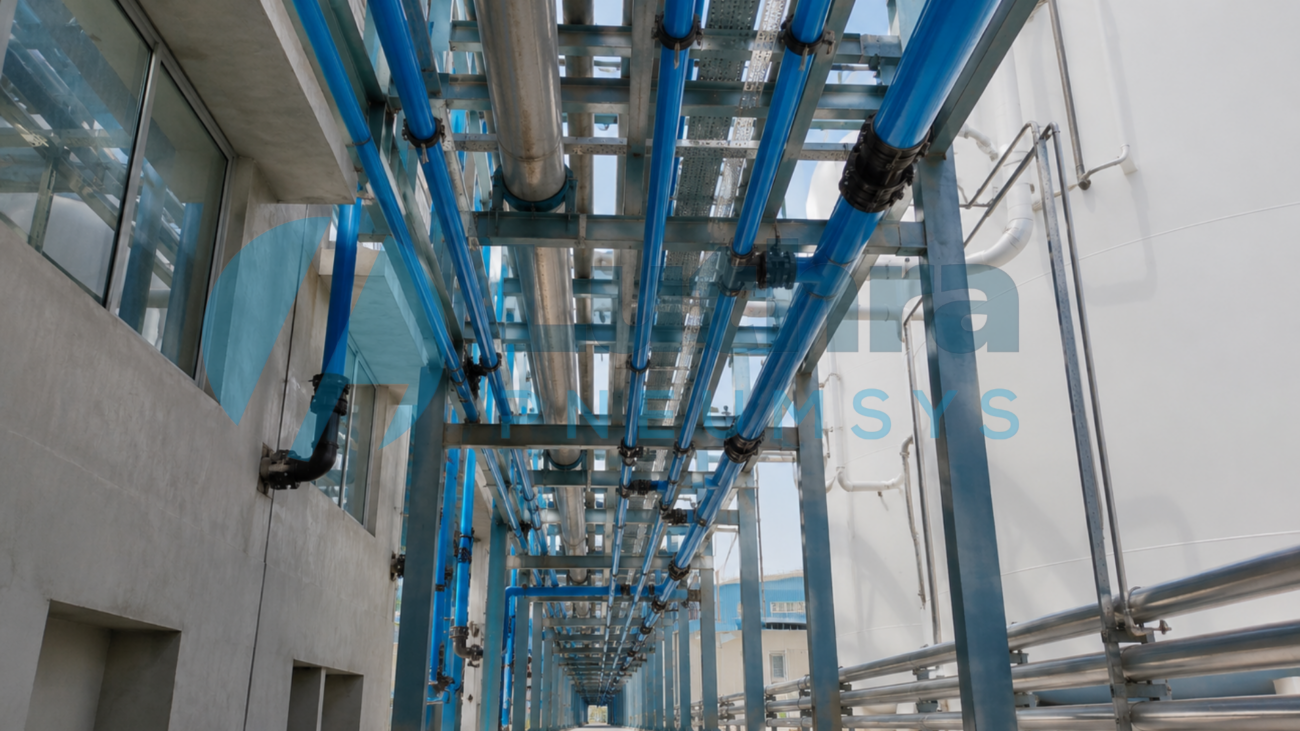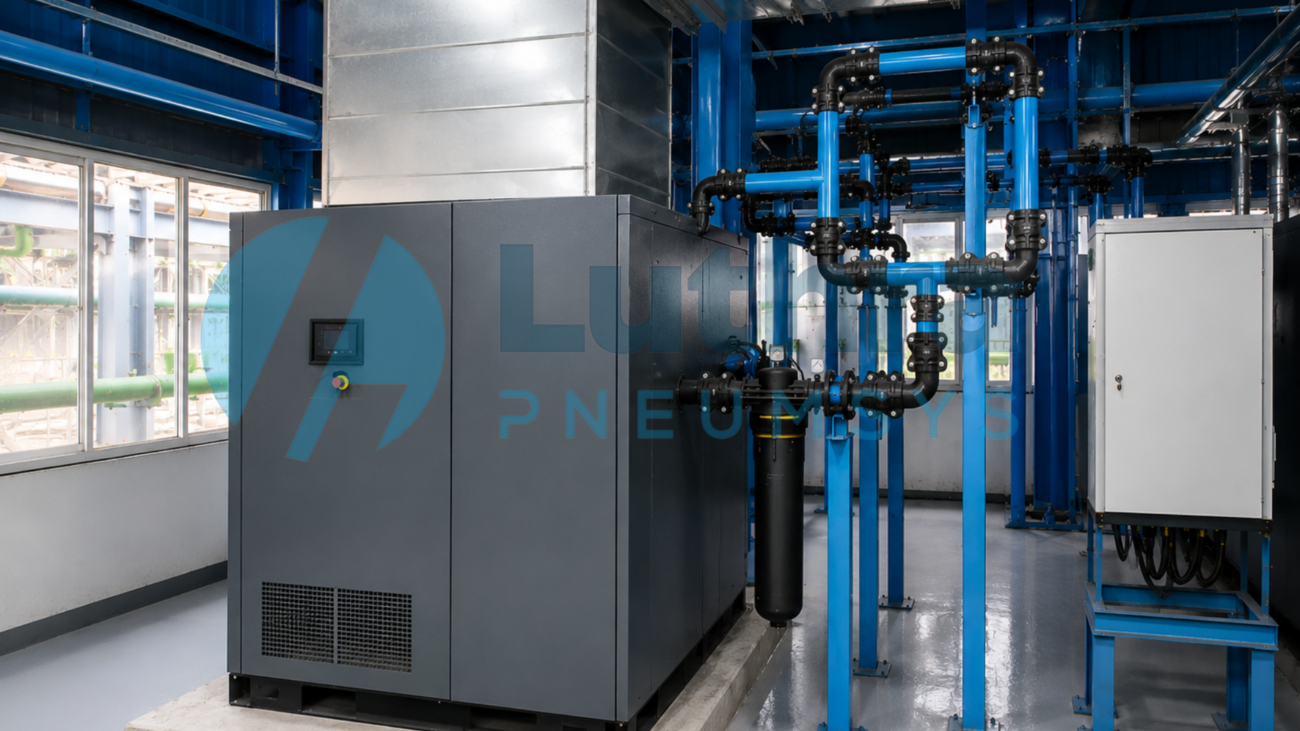
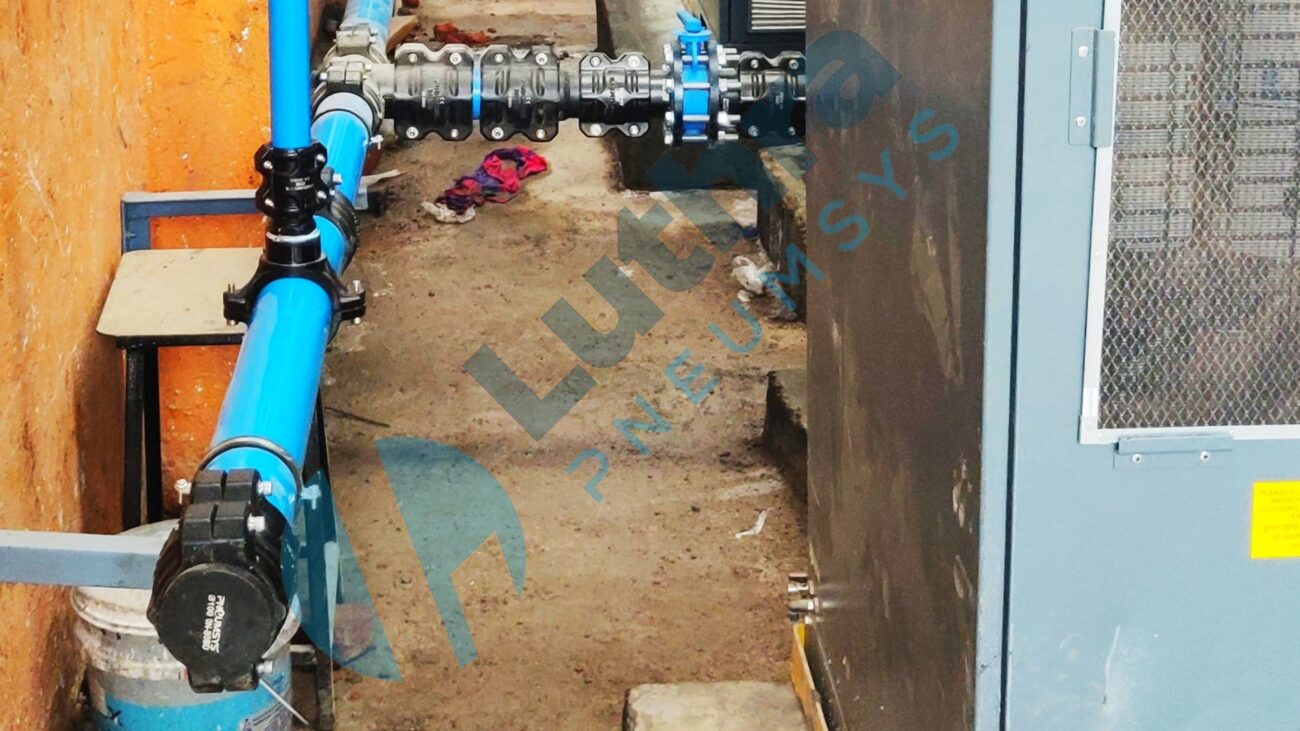
A reliable compressed air network is essential for industries that depend on pneumatic tools, automated equipment, and continuous production processes. Professional air compressor pipeline installation creates an efficient route for compressed air to travel from the compressor to different points of use across an industrial facility. A carefully planned pipeline system can support consistent pressure, dependable airflow, and smooth daily operations.
Modern manufacturing facilities require compressed air systems that can adapt to changing production demands. An inefficient pipeline layout may contribute to pressure drops, air leakage, and unnecessary compressor workload. By choosing the right piping configuration, industries can create a compressed air distribution network designed around their equipment, workspace, and operational requirements.
Luthra Pneumsys provides advanced piping solutions developed for modern industrial applications. With modular aluminium and stainless steel pipes and fittings, businesses can create efficient systems for compressed air distribution. A modular approach also makes it easier to plan pipeline routes according to the specific requirements of a factory, workshop, or production plant.
A professionally designed air compressor pipeline installation is more than connecting pipes between equipment. It requires proper system planning, suitable pipe sizing, strategic outlet positioning, and attention to future expansion. Every part of the pipeline network should work together to support efficient air delivery and long-term industrial performance.
Why Air Compressor Pipeline Installation Matters for Industries?
Compressed air must reach machinery at the required pressure and flow rate. When pipelines are poorly sized or unnecessarily complex, the compressor may need to work harder to maintain operational requirements. Efficient air compressor pipeline installation focuses on creating a smooth distribution path that helps minimise avoidable pressure loss throughout the network.
Pipeline material is another important consideration. Industrial environments can expose piping systems to moisture, operational demands, and changing working conditions. Modern aluminium piping systems provide a corrosion-resistant solution for compressed air distribution and can help maintain a cleaner internal pipeline surface compared with traditional rust-prone materials.
The layout of a compressed air network should also match the facility’s workflow. Production machines, pneumatic tools, and other air-powered equipment may be positioned across different areas. A well-planned pipeline system distributes compressed air to required points while supporting accessibility for maintenance, modification, and future system changes.
Energy efficiency is increasingly important for industrial businesses. Air leakage and pressure loss can increase the workload placed on compressors. Proper air compressor pipeline installation helps create a reliable distribution network designed to reduce unnecessary air loss and support efficient compressed air delivery throughout the facility.
Planning an Efficient Compressed Air Pipeline Layout
Pipeline planning begins with understanding the facility and its compressed air demand. The number of machines, required air pressure, operating schedules, and potential future equipment should be considered. This information helps determine an appropriate layout and piping approach for the compressed air network.
Pipe diameter plays an important role in system performance. An undersized pipeline may restrict airflow and contribute to pressure loss, while thoughtful sizing supports the required volume of compressed air. The system layout should be designed according to operational demand rather than relying on a one-size-fits-all approach.
A ring or loop-style compressed air distribution layout may be suitable for many industrial facilities because it can support air delivery from multiple directions. However, every plant has different requirements. Professional air compressor pipeline installation should consider production areas, compressor location, points of use, and the overall facility design.
Future expansion should also be considered during the planning stage. Modular compressed air piping can support system modifications when production layouts change or additional machinery is introduced. This flexibility can help industries adapt their compressed air infrastructure without completely redesigning the existing distribution network.
Advantages of Modular Aluminium Air Pipeline Systems
Aluminium piping has become a practical choice for modern compressed air applications because of its lightweight construction and corrosion-resistant properties. Its smooth internal surface supports efficient airflow, helping compressed air move through the distribution network with reduced unnecessary resistance.
Installation efficiency is another major advantage. Modular piping systems are designed to simplify assembly and system configuration. For businesses upgrading an existing compressed air network, a modern air compressor pipeline installation can provide a more organised and adaptable infrastructure for industrial air distribution.
A modular system can also support changes in production requirements. Industrial facilities frequently add new machinery, relocate equipment, or expand production areas. Aluminium pipeline systems can be reconfigured or extended according to changing operational needs, making them suitable for growing industrial environments.
Maintenance accessibility is equally important. A properly organised compressed air pipeline makes it easier to inspect connections and identify areas requiring attention. By combining suitable materials with careful system planning, industries can create a compressed air network focused on reliability, efficiency, and long-term operational value.
Reducing Pressure Loss and Supporting Energy Efficiency
Pressure loss can affect the performance of pneumatic equipment and increase compressor workload. Long pipeline routes, unsuitable pipe diameters, unnecessary bends, and air leakage may all influence compressed air system efficiency. Proper pipeline planning helps address these challenges before installation begins.
Professional air compressor pipeline installation focuses on creating efficient airflow paths between the compressor and points of use. A well-designed network reduces unnecessary restrictions and supports consistent compressed air delivery. This can contribute to stable equipment operation across industrial production areas.
Leak-resistant fittings and properly connected pipeline components are also essential for compressed air efficiency. Even small air leaks can lead to wasted compressed air over time. Precision-engineered piping and fittings help create secure connections and support dependable system performance.
An efficient compressed air network can help businesses improve the overall use of their compressor infrastructure. Instead of focusing only on compressor capacity, industries should also evaluate how compressed air is distributed. The pipeline network plays a significant role in maintaining pressure and delivering air efficiently to equipment.
Air Compressor Pipeline Installation for Different Industries
Compressed air is used across automotive manufacturing, food and beverage facilities, pharmaceutical plants, textile units, printing facilities, metalworking workshops, and CNC environments. Each sector has different airflow and operational requirements, making customised pipeline planning important for industrial applications.
Automotive and engineering facilities often use compressed air for pneumatic tools, assembly operations, and automated machinery. Reliable air compressor pipeline installation helps distribute compressed air across multiple workstations while supporting the continuous requirements of production equipment.
Food, pharmaceutical, and process-driven industries may require clean and reliable compressed air distribution. Corrosion-resistant piping materials can support a cleaner pipeline environment. Proper system design also helps create an organised compressed air network suited to demanding industrial applications.
As industrial facilities adopt automation and advanced production technologies, compressed air infrastructure must also evolve. A scalable and modular pipeline network gives businesses greater flexibility to adapt their system as machinery, production capacity, and compressed air requirements change.
Choose Luthra Pneumsys for Advanced Piping Solutions
Luthra Pneumsys manufactures advanced piping solutions, including modular aluminium and stainless steel pipes and fittings. These systems are designed for modern industrial applications where efficient distribution, durability, and system flexibility are important considerations.
For businesses planning air compressor pipeline installation, selecting a suitable piping system can influence long-term operational efficiency. Modular aluminium solutions provide flexibility for system design, installation, expansion, and reconfiguration as industrial requirements evolve.
A compressed air pipeline should be treated as an essential part of industrial infrastructure. Careful planning, suitable materials, efficient layouts, and dependable fittings can contribute to better airflow and reliable compressed air delivery across production environments.
Upgrade your compressed air distribution infrastructure with Luthra Pneumsys. Explore advanced piping solutions designed to support efficient industrial operations and create a future-ready compressed air network for your facility.
Frequently Asked Questions
- What is air compressor pipeline installation?
Air compressor pipeline installation is the process of designing and installing a piping network that distributes compressed air from a compressor to machinery, tools, and different points of use within a facility.
- Why is proper compressed air pipeline planning important?
Proper planning helps support efficient airflow, minimise avoidable pressure loss, and create a compressed air network suited to the operational requirements of an industrial facility.
- Is aluminium suitable for compressed air pipelines?
Yes. Aluminium is lightweight and corrosion resistant, and its smooth internal surface makes it a practical material for modern compressed air piping applications.
- Can a compressed air pipeline system be expanded later?
Modular piping systems can be extended or reconfigured according to changing production layouts and additional compressed air requirements.
- How does pipeline design affect compressor efficiency?
Poor pipe sizing, excessive bends, long routes, and air leakage can increase pressure loss. Efficient pipeline design supports smoother compressed air distribution and can reduce unnecessary compressor workload.
Conclusion
Efficient air compressor pipeline installation is essential for creating a reliable and organised compressed air distribution network. From pipeline sizing and layout planning to material selection and system flexibility, every detail can influence industrial airflow and operational efficiency.
Luthra Pneumsys provides advanced modular aluminium and stainless steel piping solutions for modern industrial requirements. With a carefully planned compressed air pipeline system, businesses can support efficient air distribution, future expansion, and dependable production performance.