Compressed air is an essential utility across manufacturing plants, workshops, engineering units, automotive facilities, pharmaceutical industries and many other industrial applications in India. A properly designed compressed air piping network ensures that compressed air reaches every point of use at the required pressure and flow. Without an efficient distribution network, even a high-quality compressor may not deliver the expected performance. Air leakage, pressure drops, poor pipe sizing and unsuitable layouts can increase operating costs and reduce productivity.
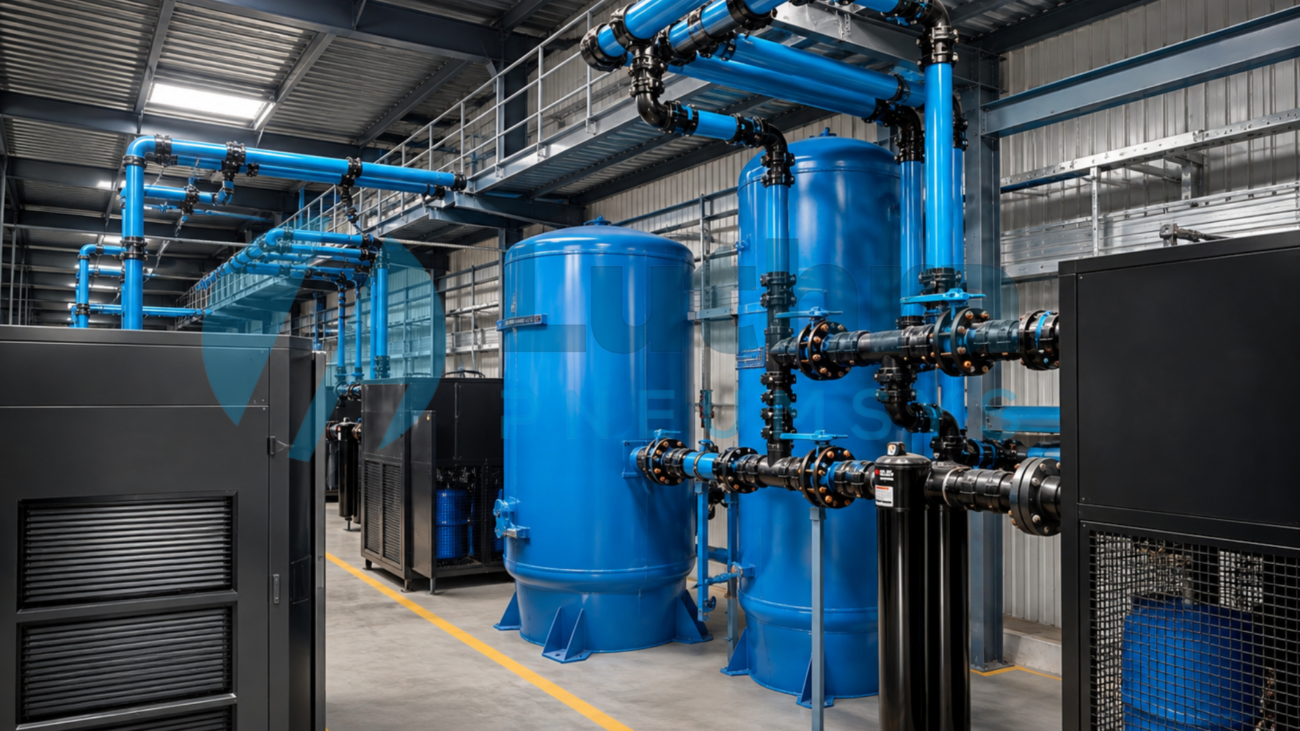
A well-planned compressed air piping system is therefore an important part of an industrial compressed air installation. The piping network connects compressors, air receivers, dryers, filters and production equipment in a reliable distribution arrangement. The right design can help maintain stable air pressure while reducing unnecessary energy consumption. For Indian industries facing increasing energy and maintenance costs, an efficient piping system can contribute significantly to better operational efficiency.
Industrial environments require piping solutions that can withstand continuous operation and demanding working conditions. Factors such as temperature, humidity, pipe length, air demand, operating pressure and future expansion should be considered before designing the network. Choosing suitable materials and fittings is equally important. A professionally engineered compressed air piping installation can support consistent production while reducing maintenance requirements and avoidable pressure losses.
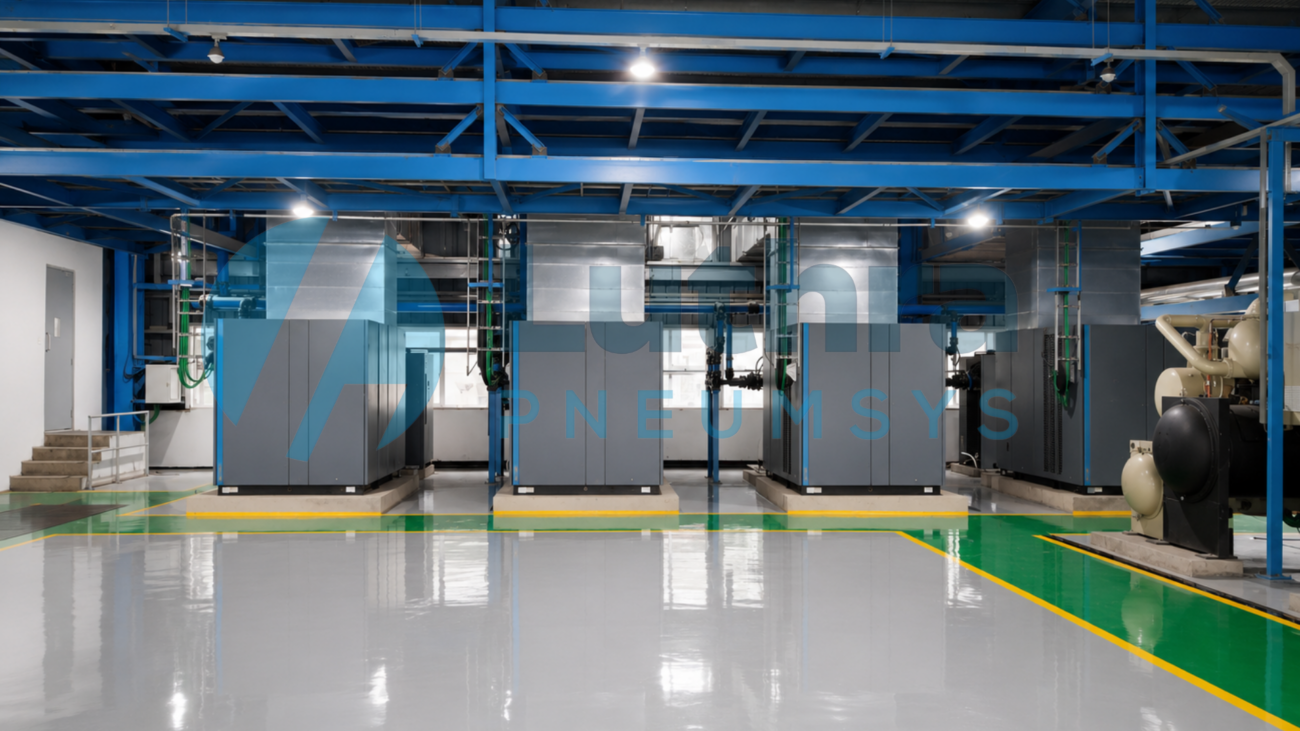
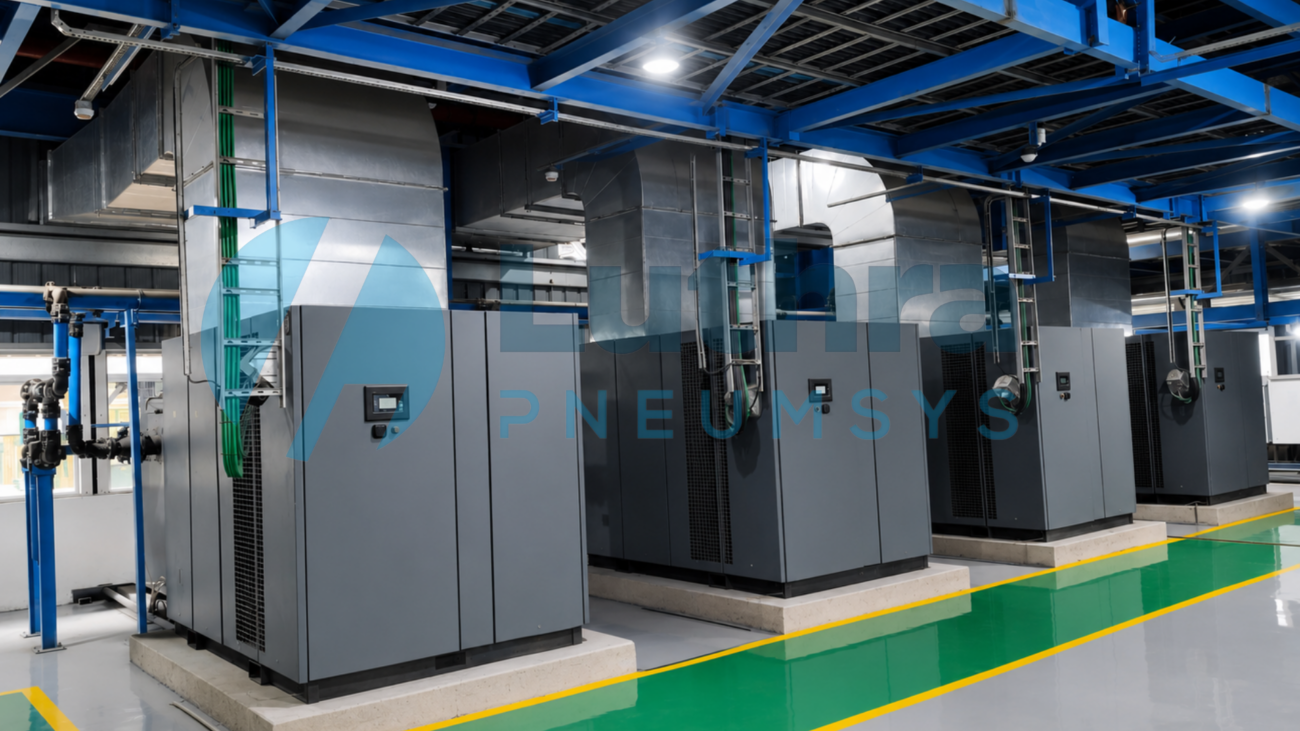
For industries planning a new installation or upgrading an existing facility, the focus should not be limited to connecting the compressor with machines. The complete distribution network needs to be evaluated as an integrated system. From the compressor room to individual points of use, every section should be designed according to actual and future air requirements. This approach helps create a dependable compressed air piping system suitable for modern industrial operations in India.
Understanding Compressed Air Piping
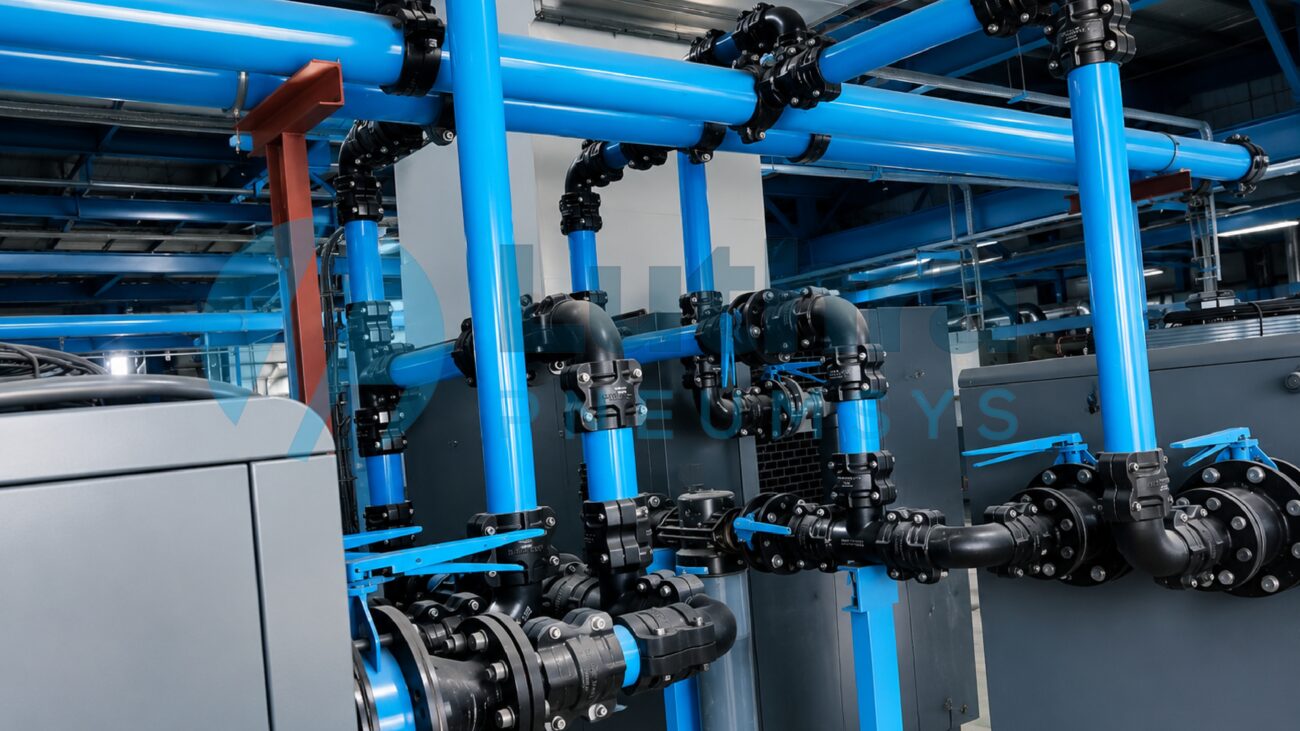
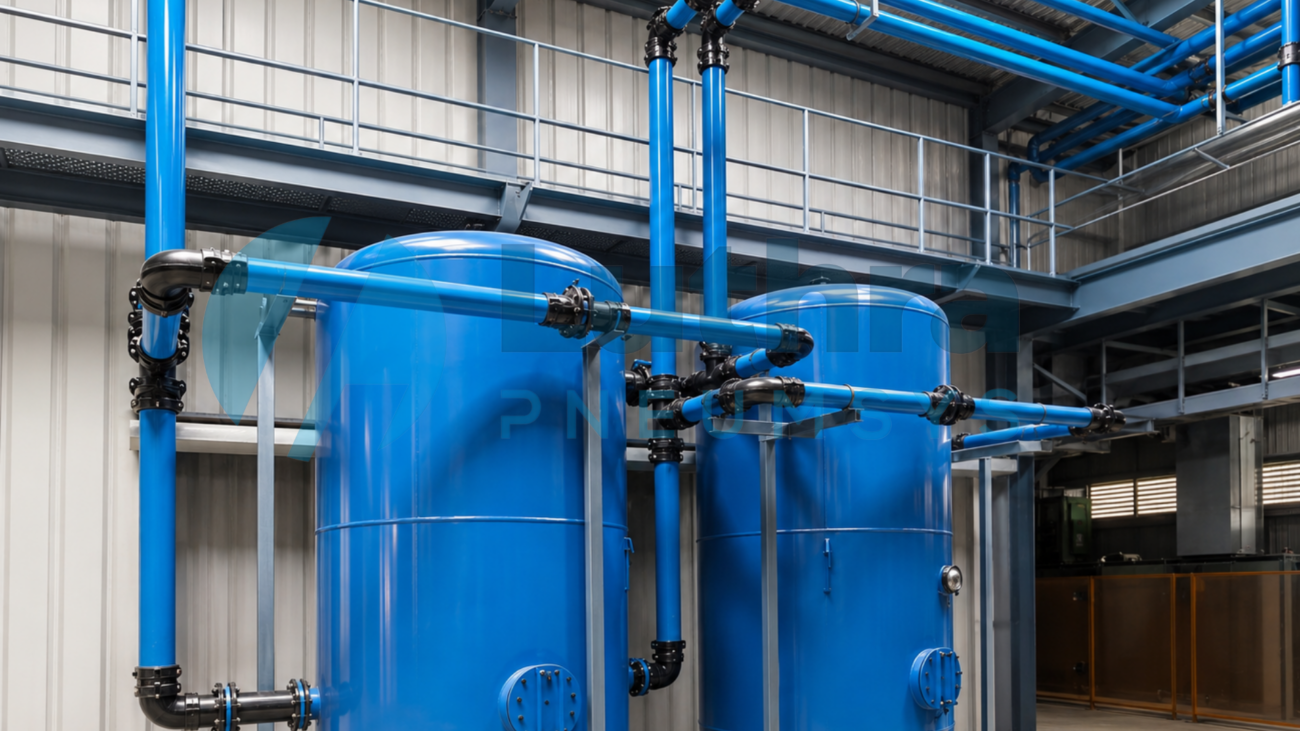
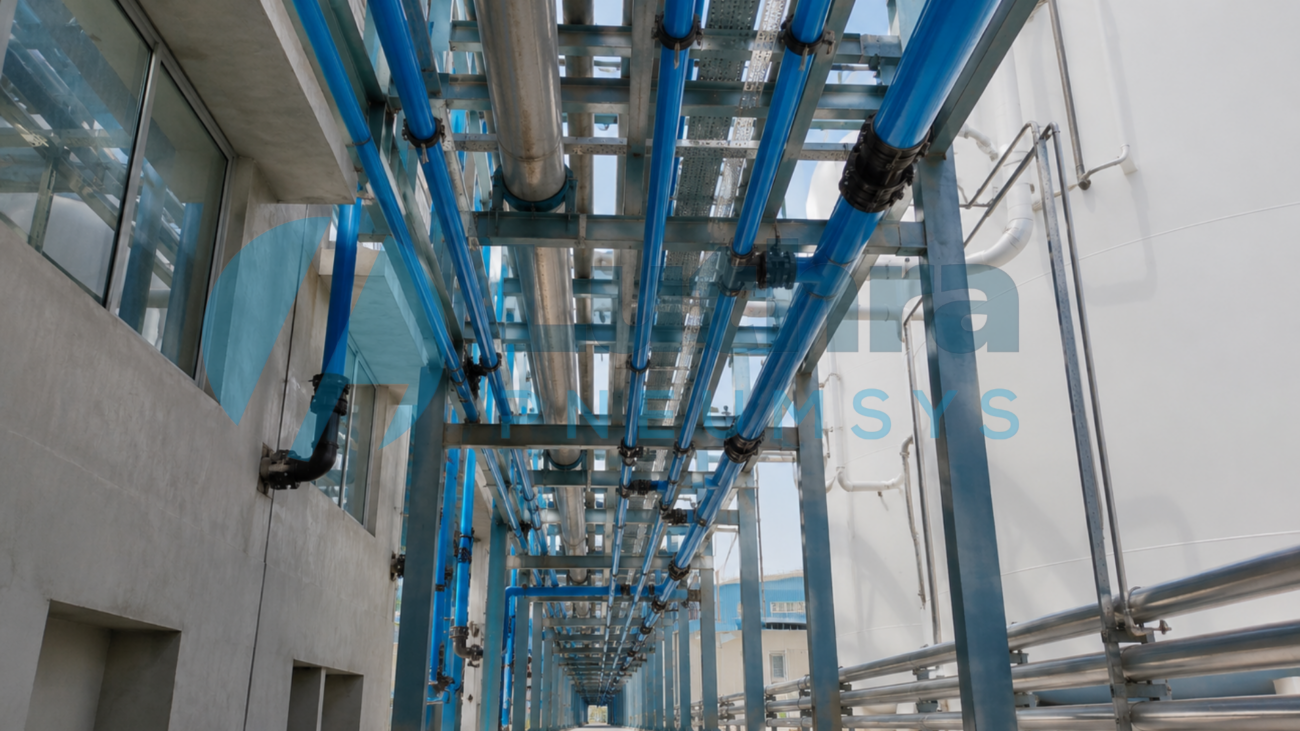
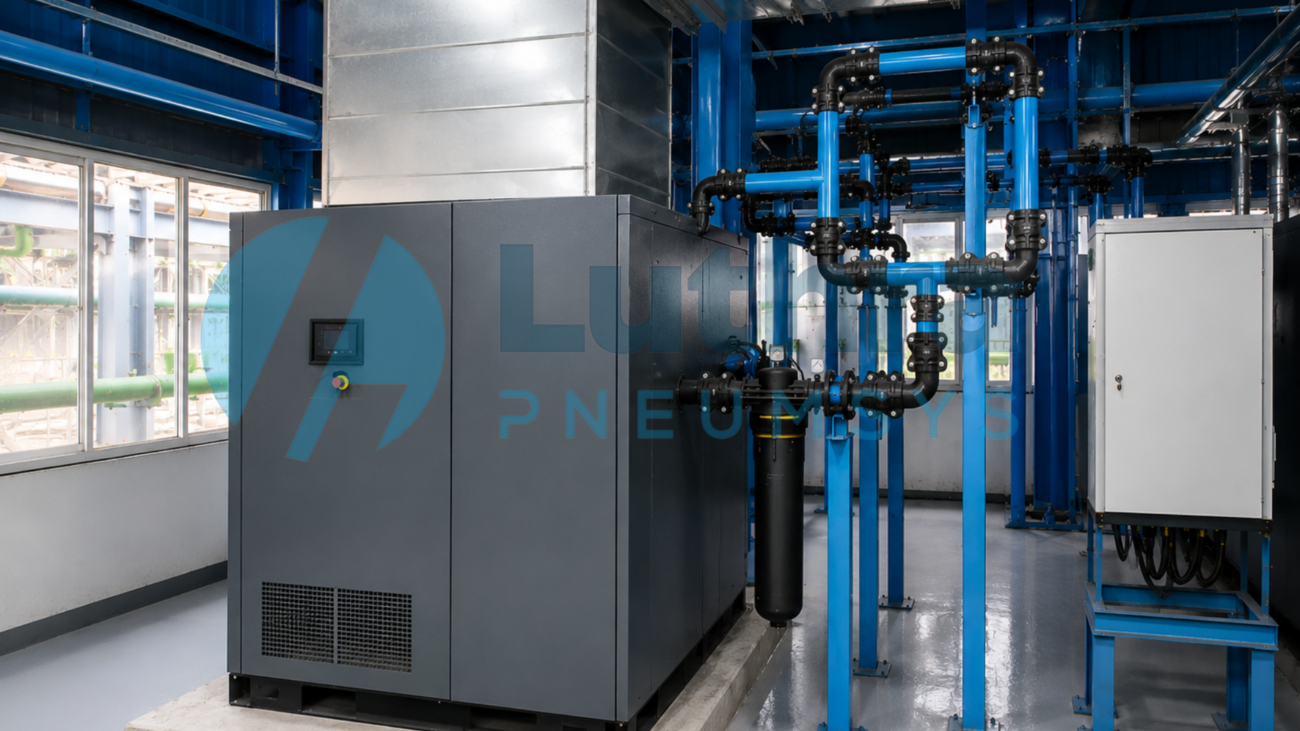
The primary purpose of compressed air piping is to transport compressed air safely and efficiently from the generation point to various applications. The network may include the main header, branch lines, drop lines, isolation valves, filters and other essential components. Each component has a role in maintaining the quality and availability of compressed air at the point of use.
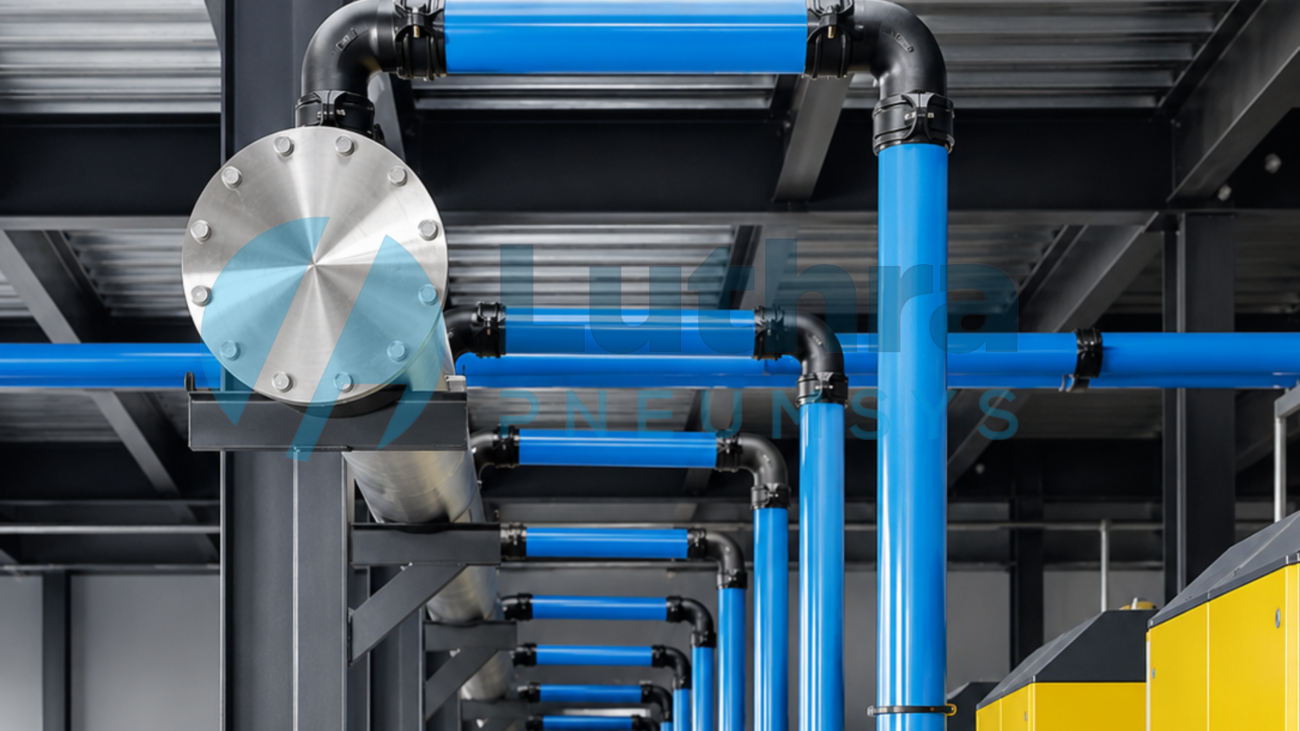
An effective piping layout should minimise unnecessary bends, restrictions and long dead-end sections. Poorly planned routing can create excessive pressure drops and make maintenance more difficult. A properly designed compressed air piping system considers the total air demand rather than simply matching pipe dimensions to the compressor outlet. This helps ensure adequate airflow even when multiple machines operate simultaneously.
Another important consideration is the possibility of future expansion. Industrial facilities often add new machinery or increase production capacity over time. Designing the network with sufficient capacity can make future modifications easier and more economical. A flexible compressed air piping layout can therefore provide long-term value instead of requiring major reconstruction whenever additional equipment is installed.
The quality of installation also influences system performance. Correct jointing, appropriate supports, proper slope and suitable drainage arrangements help maintain the reliability of the network. In humid Indian climatic conditions, moisture management becomes particularly important because condensation can affect pneumatic equipment and air quality. A carefully planned compressed air piping system can help manage these operational challenges effectively.
Importance of Proper Pipe Sizing
Pipe sizing is one of the most important aspects of designing compressed air piping. If pipes are too small for the required airflow, air velocity and pressure loss can increase. This may result in insufficient pressure at machines, inconsistent equipment performance and higher compressor loading. On the other hand, unnecessarily oversized piping can increase initial installation costs without providing proportional benefits.
The correct pipe diameter should be determined by considering factors such as required airflow, operating pressure, pipe length, fittings and expected future demand. The main header generally needs greater capacity than individual branch lines because it may supply several production areas simultaneously. A properly calculated compressed air piping system can maintain efficient air movement throughout the facility.
Layout design is equally important. A ring or loop arrangement can often provide air from more than one direction, helping maintain a more consistent pressure across different points of use. Branch connections should be positioned thoughtfully to minimise pressure losses and improve accessibility. Such planning becomes particularly valuable in large factories where compressed air may need to travel considerable distances.
Industries should also review their piping networks periodically. Changes in production schedules, new machinery and increased air consumption can make an originally suitable system inadequate. Regular assessment can identify pressure drops, leakage and other inefficiencies. Upgrading compressed air piping when required can improve system performance and support greater energy efficiency.
Materials Used in Compressed Air Piping Systems
The material selected for a compressed air piping system can influence durability, installation time, maintenance and overall operating performance. Depending on the application, industries may consider materials such as aluminium, steel or other purpose-designed piping solutions. Selection should be based on operating pressure, environment, air quality requirements, installation conditions and industry needs.
Traditional metal piping can provide strength and durability when properly selected and installed. However, corrosion can become a concern in environments where moisture is present. Corrosion inside a piping network may affect air quality and contribute to restrictions or maintenance problems. Proper air treatment and moisture management are therefore important alongside suitable pipe material.
Modern industrial facilities increasingly look for piping solutions that allow quicker installation and easier modification. Lightweight systems can offer practical advantages during installation and expansion. Regardless of the material selected, joints and connections should be properly installed to minimise leakage. Even small leaks can lead to continuous compressed air losses when a system operates around the clock.
For Indian industries, material selection should also consider local operating conditions and maintenance capabilities. The objective should be to achieve a reliable balance between installation cost, service life and performance. A professionally designed compressed air piping system can help businesses select an appropriate configuration for their specific application rather than relying on a one-size-fits-all approach.
Improving Efficiency with a Compressed Air Piping System
Energy efficiency is a major consideration for industries using compressed air. Compressors can consume substantial electrical energy, and inefficient distribution can increase the amount of energy required to deliver air to production equipment. Pressure losses, leakage and poorly designed piping may force operators to increase compressor pressure unnecessarily.
A well-designed compressed air piping network can reduce avoidable restrictions and help deliver air more effectively. Maintaining appropriate operating pressure is important because excessive pressure can increase energy consumption without improving equipment performance. The distribution system should therefore be designed around the actual requirements of connected machinery.
Leak detection is another important part of maintaining efficiency. Connections, valves and joints can develop leaks over time because of vibration, wear or ageing components. Regular inspection can help identify such losses before they become expensive. Maintaining the compressed air piping system properly can support reliable performance and help control operating expenses.
Efficiency should also be considered when planning system upgrades. Instead of focusing only on compressor capacity, businesses should evaluate the entire compressed air network. Improving pipe routing, reducing pressure drops, repairing leaks and selecting suitable components can collectively enhance system performance. For growing Indian industries, an efficient compressed air piping network can become a valuable investment in long-term productivity.
Why Professional Compressed Air Piping Design Matters?
A compressed air network should be designed according to the unique requirements of the facility. Production machinery, operating schedules, air demand, plant dimensions and future expansion plans can all influence the final design. Professional planning helps ensure that the compressed air piping system is capable of supporting present requirements while allowing practical scope for future growth.
Proper installation can also simplify maintenance activities. Accessible valves and logically arranged branch lines make it easier to isolate individual sections when servicing equipment. A clear and organised network can reduce downtime during maintenance and help operators identify potential problems more quickly.
For industries where compressed air is critical to production, reliability is especially important. Unexpected pressure fluctuations or inadequate airflow can affect pneumatic tools, automation equipment and manufacturing processes. A dependable compressed air piping installation helps create a stable distribution network that supports consistent operations.
Luthra Pneumsys focuses on compressed air solutions designed for industrial requirements in India. Businesses looking to improve their air distribution infrastructure can benefit from evaluating their existing network and identifying opportunities for better performance. A carefully planned compressed air piping system can contribute to efficient air delivery, improved reliability and better control of operating costs.
Conclusion
A reliable compressed air piping system is essential for industries that depend on compressed air for manufacturing, automation, tools and process applications. Correct pipe sizing, suitable materials, efficient routing and regular maintenance can help improve air delivery and reduce unnecessary energy losses. Businesses should consider the complete distribution network rather than focusing only on compressor capacity.
For Indian industrial facilities, investing in properly designed compressed air piping can support dependable operations and long-term efficiency. As production requirements evolve, a flexible and scalable piping network can also make future expansion easier. With the right design and professional installation approach, industries can create a compressed air infrastructure that supports productivity, reliability and controlled operating costs.
FAQs About Compressed Air Piping
What is compressed air piping?
Compressed air piping is the network of pipes and associated components used to transport compressed air from a compressor or air treatment area to different points of use. It forms an important part of an industrial compressed air installation.
Why is compressed air piping important?
A properly designed compressed air piping system helps deliver compressed air at suitable pressure and flow to machinery. Good design can reduce pressure losses, improve reliability and support better energy efficiency.
Which material is suitable for compressed air piping?
The appropriate material depends on factors such as operating pressure, environment, air quality, installation requirements and application. Industries should select piping based on their specific operating conditions and long-term requirements.
How can pressure loss in compressed air piping be reduced?
Pressure loss can be controlled through suitable pipe sizing, efficient routing, fewer unnecessary restrictions, proper fittings and regular maintenance. Identifying and repairing air leaks is also important for maintaining system efficiency.
Is a loop layout useful for a compressed air piping system?
A loop or ring arrangement can help distribute compressed air more consistently across multiple points of use. The most suitable layout depends on the facility design, air demand and production requirements.
How often should compressed air piping be inspected?
Regular inspection is recommended to identify leaks, damaged connections, corrosion, pressure issues and other problems. The inspection frequency can depend on operating conditions, system age and the criticality of the application.