Why Compressed Air Piping Is Important for Industries?
Compressed air is widely used across manufacturing plants, engineering facilities, pharmaceutical units, automotive industries, food processing plants, workshops, and other industrial environments. However, the efficiency of a compressed air network depends heavily on the quality and design of its piping infrastructure. A properly engineered compressed air piping network helps transport compressed air from the compressor to different points of use while maintaining consistent pressure and minimizing energy losses.
Businesses looking for compressed air piping Hyderabad solutions need a system that can support their operational requirements, plant layout, air demand, and future expansion plans. An appropriately designed piping network can improve air distribution, reduce pressure drops, and help pneumatic equipment operate more consistently. The right piping arrangement also contributes to a cleaner and more organized industrial workspace.
A professional compressed air piping system should be designed according to the compressor capacity, required flow rate, operating pressure, number of outlets, and distance between the compressor room and production areas. Poorly designed piping can result in unnecessary pressure loss, air leakage, moisture accumulation, and increased compressor workload. Therefore, selecting a suitable piping configuration is an important part of developing an energy-efficient compressed air infrastructure.
For industries in Hyderabad, choosing a dependable solution provider can make the installation process more efficient and reliable. From planning and material selection to installation and testing, every stage needs attention to detail. A well-installed compressed air piping system can provide dependable compressed air distribution while supporting the long-term operational requirements of an industrial facility.
Understanding a Compressed Air Piping System
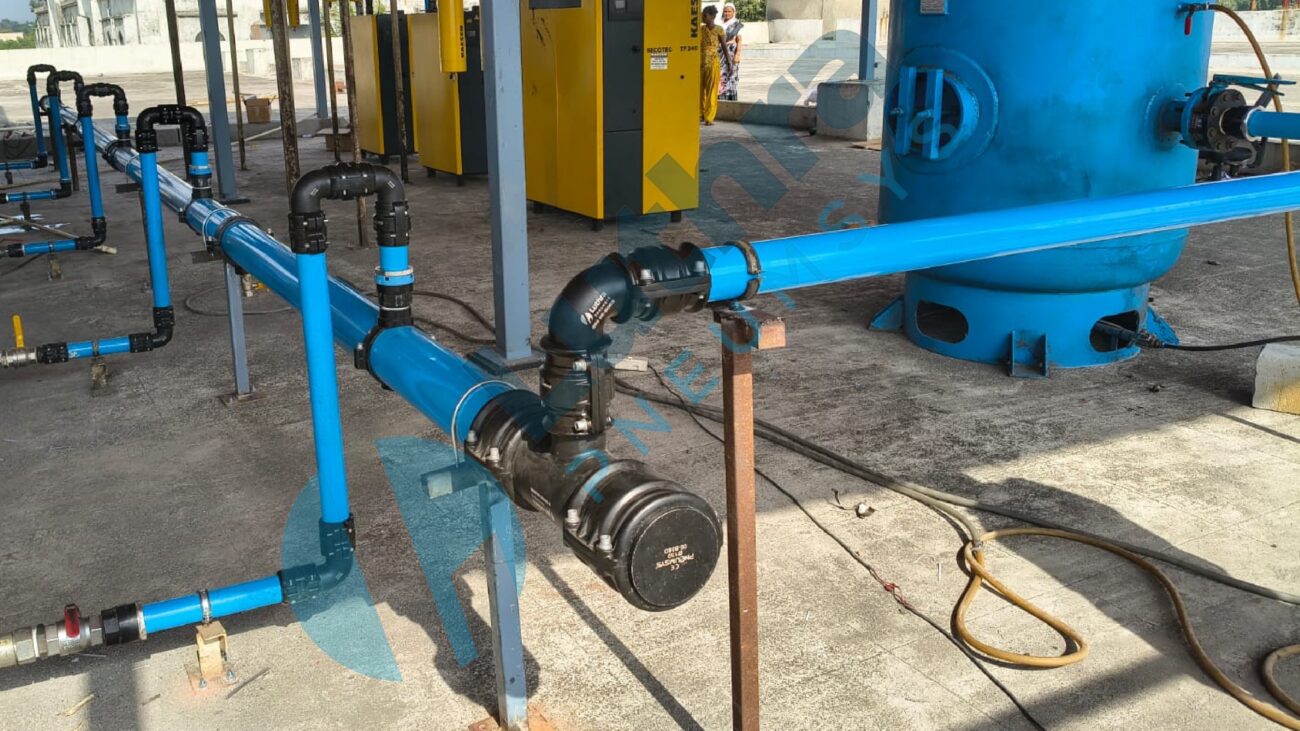
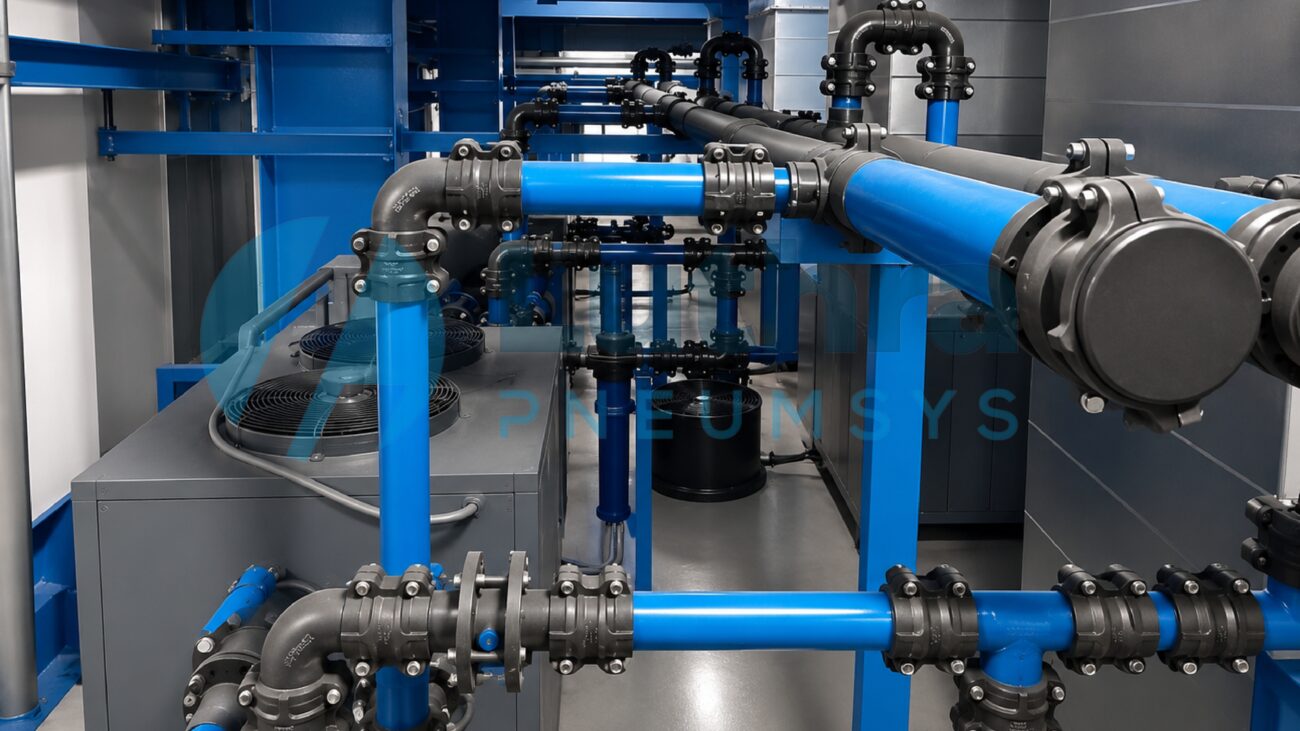
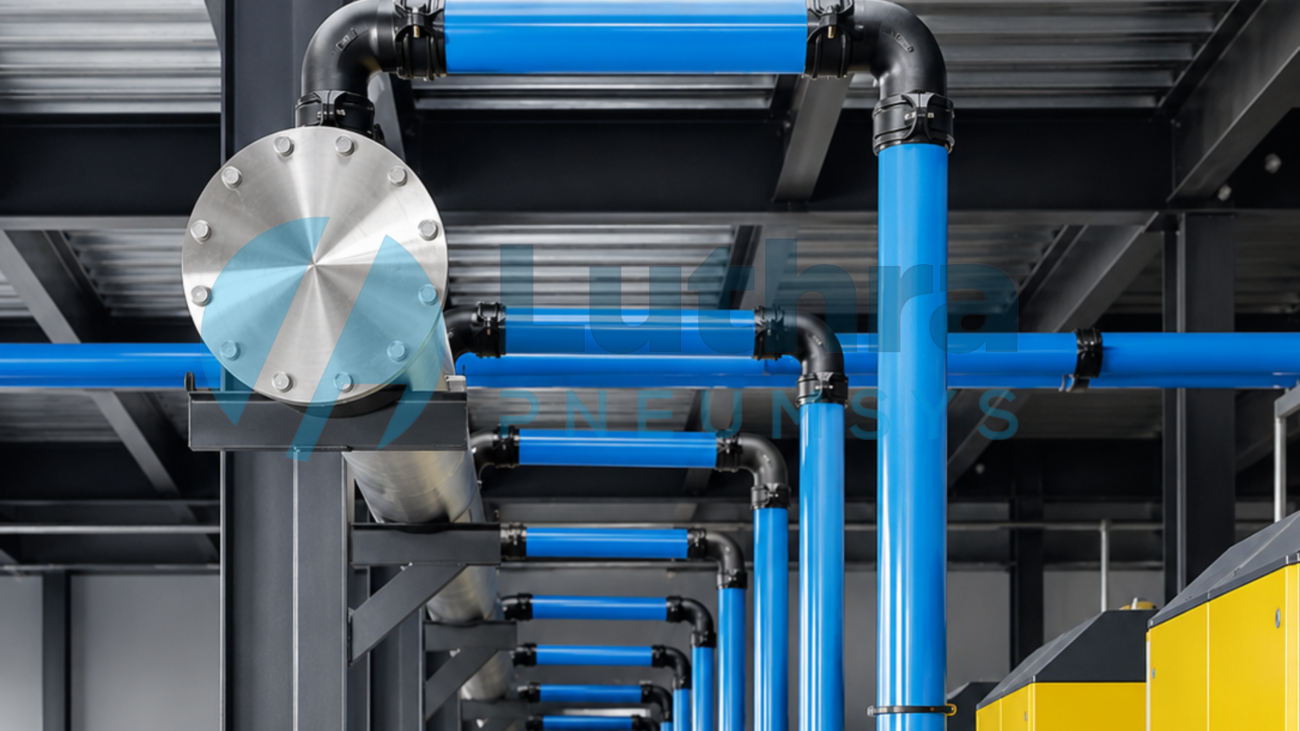
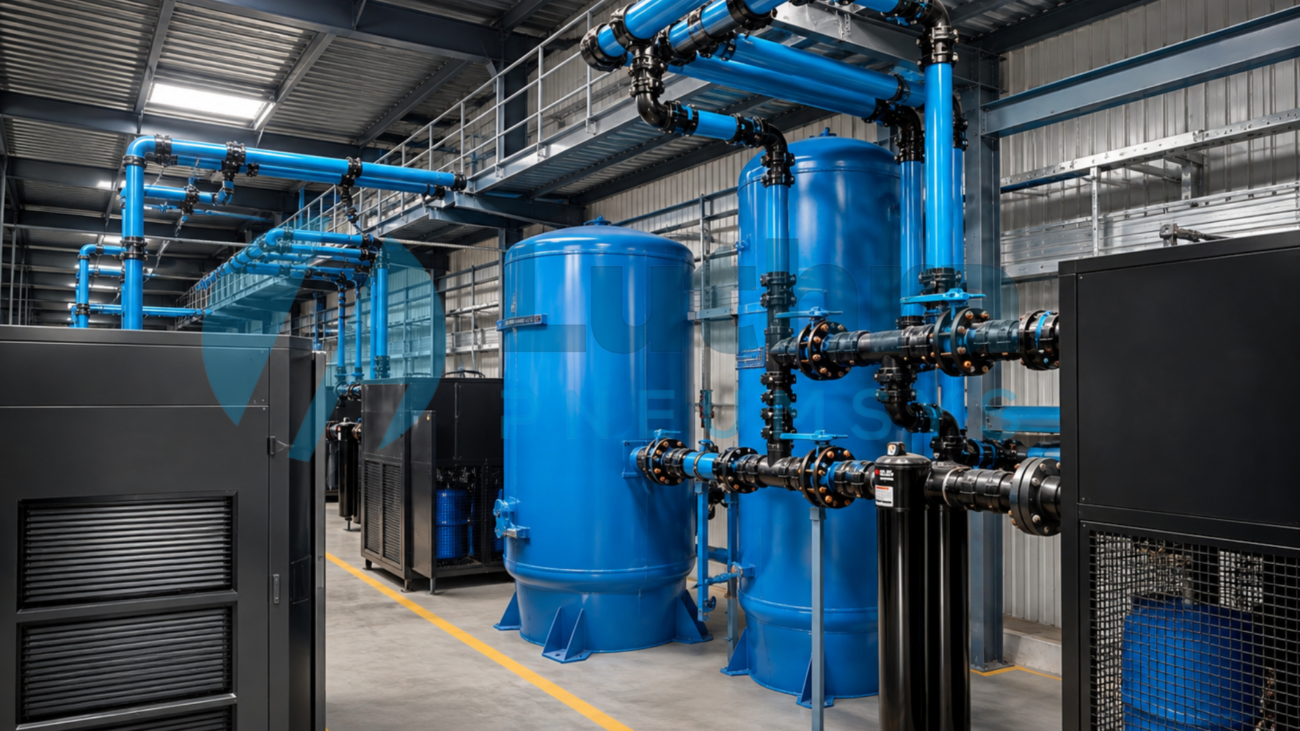
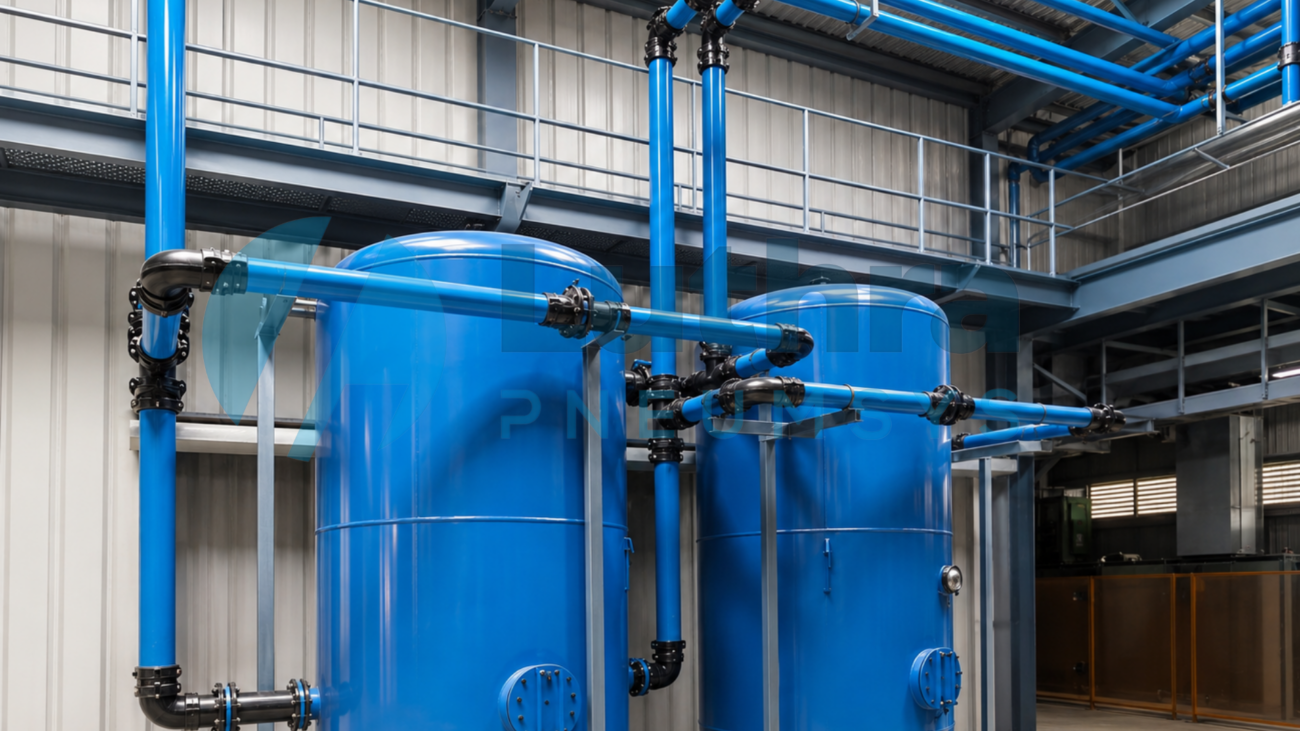
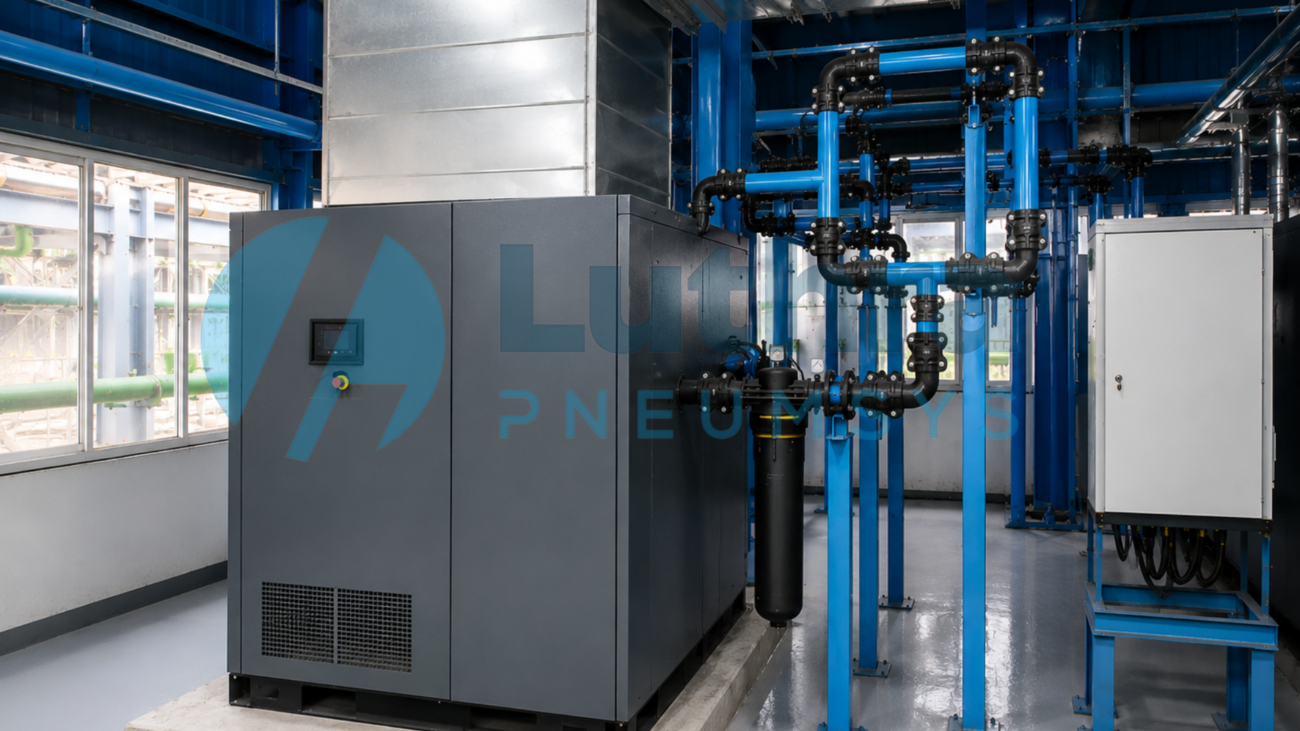
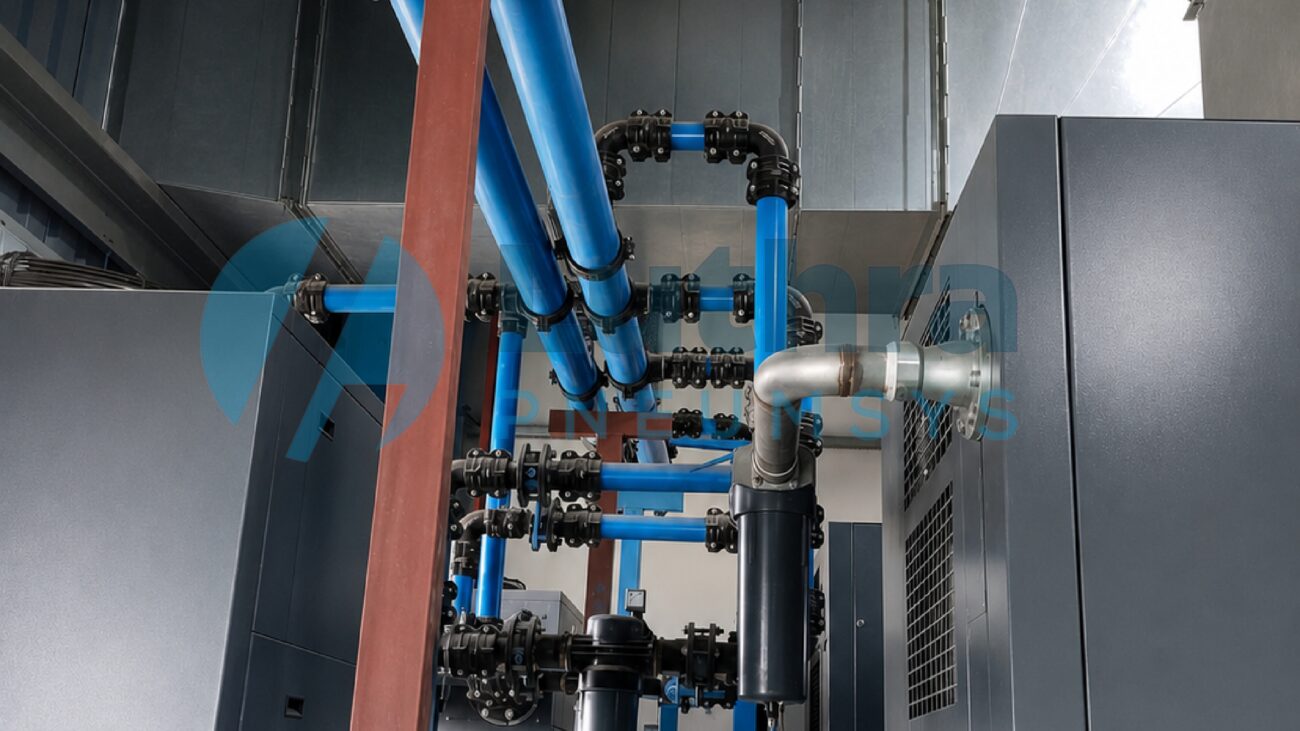
A compressed air piping system is designed to distribute compressed air from the compressor or air receiver to multiple equipment and application points. The system generally includes the main distribution line, branch lines, drop lines, isolation arrangements, fittings, valves, and connection points. Each component has an important role in maintaining efficient air movement throughout the facility.
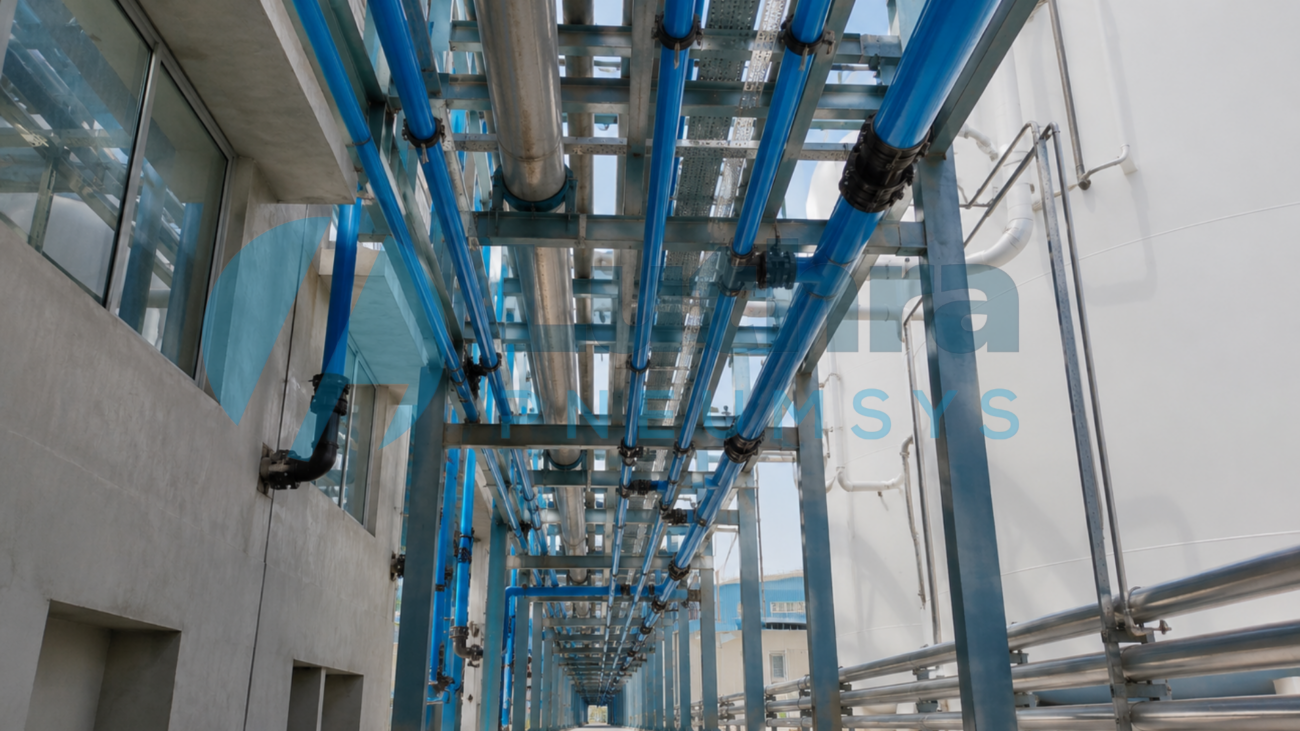
The layout of a compressed air piping network can significantly influence system performance. A properly planned main line can distribute air across different sections of a facility, while appropriately positioned branch connections can supply individual machines and workstations. The piping arrangement should also allow easy maintenance and provide flexibility for future modifications.
One important consideration is pressure drop. As compressed air travels through pipes, bends, fittings, valves, and other components, resistance can affect the pressure available at the point of use. An appropriately sized piping network helps minimize unnecessary pressure losses. This can allow pneumatic equipment to receive the required air pressure without forcing the compressor to operate at unnecessarily high pressure.
Another important consideration is moisture management. Compressed air can contain moisture that may condense inside piping when temperatures change. A suitable compressed air piping system should therefore be designed to support effective moisture drainage and air quality management. Proper installation practices can help protect pneumatic equipment and improve the overall reliability of the compressed air network.
Benefits of Professional Compressed Air Piping Hyderabad Solutions
A professionally designed compressed air piping Hyderabad solution can help industries achieve more consistent compressed air distribution throughout their facilities. Correct pipe sizing, appropriate routing, and properly selected components can reduce avoidable pressure losses and support efficient equipment operation. This becomes particularly important in facilities where compressed air is continuously required for production processes.
An efficient compressed air piping system can also contribute to improved energy utilization. Compressors consume considerable electrical energy, and operating them against unnecessary pressure requirements can increase energy consumption. By reducing restrictions and optimizing the distribution network, industries can create a more efficient compressed air infrastructure and potentially lower operating expenses.
Reliable piping can also improve workplace organization. Instead of having temporary hoses running across production areas, a properly installed compressed air piping network can provide dedicated air outlets at strategic locations. This can make work areas more organized while allowing operators to connect pneumatic tools and equipment conveniently.
Another major advantage is scalability. Industrial requirements can change as production capacity increases or new equipment is introduced. A well-planned compressed air piping system can be designed with future expansion in mind. Additional branch connections or extensions can then be incorporated more effectively without requiring a complete redesign of the existing network.
Designing the Right Compressed Air Piping System
The design of a compressed air piping system begins with understanding the facility’s compressed air requirements. This includes evaluating compressor capacity, operating pressure, air consumption, equipment requirements, production schedules, and the number of points where compressed air will be used. These factors help determine the appropriate piping configuration and capacity.
Pipe diameter is another critical design consideration. If the piping is undersized for the required airflow, pressure losses may increase as compressed air travels through the network. Oversized piping can increase initial installation costs without necessarily providing proportional benefits. A balanced approach considers present requirements as well as potential future expansion.
The overall piping layout should also be planned carefully. A ring or loop-based distribution arrangement can provide multiple paths for air movement and may help maintain more consistent pressure across different areas. Branch lines can then connect individual equipment and workstations to the main distribution network. The final design should match the facility’s physical layout and operating requirements.
Material selection is equally important when developing compressed air piping infrastructure. The selected piping material should be appropriate for the operating pressure, environment, air quality requirements, installation conditions, and expected service life. Proper joints, fittings, valves, and connection methods are also essential for developing a dependable network.
Applications of Compressed Air Piping in Hyderabad
Hyderabad has a diverse industrial ecosystem covering manufacturing, pharmaceuticals, engineering, automotive, electronics, food processing, packaging, and other sectors. Many of these industries use compressed air for automation, pneumatic tools, cleaning applications, material handling, instrumentation, and production processes. This creates a strong requirement for dependable compressed air piping Hyderabad solutions.
In manufacturing facilities, compressed air can operate pneumatic cylinders, tools, actuators, and automated machinery. A properly designed compressed air piping system helps deliver air to these applications at the required pressure and flow. Consistent distribution can support smoother production operations and reduce interruptions caused by inadequate air supply.
Pharmaceutical and process industries may have specific compressed air quality and distribution requirements. The piping infrastructure must therefore be planned according to the application and the required cleanliness standards. Proper installation, routing, drainage, and maintenance can contribute to reliable compressed air delivery.
Workshops, fabrication facilities, packaging plants, and engineering units also depend on compressed air for various tools and equipment. A centralized compressed air piping network can provide convenient air access across multiple work areas. This can reduce dependence on long flexible hoses and create a more organized distribution arrangement.
Installation and Maintenance of Compressed Air Piping
Professional installation plays an important role in achieving the expected performance from a compressed air piping system. Before installation begins, the facility layout, compressor location, equipment positions, pipe routes, support requirements, and outlet locations should be evaluated carefully. Proper planning can minimize unnecessary bends and help create a more efficient distribution network.
During installation, attention should be given to pipe alignment, joints, fittings, supports, valves, and connections. Poorly installed joints can become potential leakage points, while inadequate support can affect the stability of the piping network. Every connection should be installed appropriately to maintain system integrity and reliability.
Regular maintenance is equally important after installation. Industries should periodically inspect piping connections, valves, fittings, and air outlets for leakage or other performance issues. Identifying leaks early can help prevent compressed air wastage and unnecessary compressor operation.
The piping network should also be reviewed when production requirements change. Adding new machinery or increasing air consumption can affect the existing distribution system. Periodic assessment helps determine whether the compressed air piping system continues to meet operational requirements and whether upgrades or extensions are necessary.
Why Choose Professional Compressed Air Piping Hyderabad Services?
Choosing experienced professionals for compressed air piping Hyderabad projects can help businesses develop systems that are aligned with their industrial requirements. Professional planning can take into consideration airflow, pressure, pipe sizing, equipment locations, plant layout, and future expansion requirements before installation begins.
A properly executed project also requires attention to installation quality. From routing the main lines to installing branch connections and outlets, each stage can influence the overall performance of the compressed air piping network. Quality workmanship can help minimize avoidable problems and improve long-term reliability.
Professional support can also make maintenance and future modifications easier. A clearly planned piping network allows technicians to understand the distribution arrangement and identify important isolation points. This can be especially valuable in larger facilities with multiple production areas and numerous pneumatic applications.
For businesses seeking dependable compressed air infrastructure, investing in a professionally designed compressed air piping system can support efficient air distribution, improved operational reliability, and better long-term system management. The right solution should be designed around the facility rather than relying on a one-size-fits-all approach.
Conclusion
A well-engineered compressed air piping system is an essential part of efficient industrial compressed air distribution. Proper pipe sizing, thoughtful routing, suitable materials, effective moisture management, and quality installation can collectively contribute to dependable system performance.
Industries searching for compressed air piping Hyderabad solutions should consider both current production requirements and future operational needs. A carefully designed network can help reduce pressure losses, improve air availability, organize production areas, and support pneumatic equipment.
Whether the requirement involves a new installation, plant expansion, or improvement of an existing network, professional planning is important. Reliable compressed air piping can become a valuable part of an industry’s utility infrastructure when it is designed, installed, and maintained according to the facility’s specific requirements.
With the right approach, businesses can establish a dependable compressed air piping system that supports production efficiency and long-term industrial performance. For industries in Hyderabad, selecting a technically appropriate piping solution can help create a robust compressed air distribution network suited to demanding operational environments.
Frequently Asked Questions
What is compressed air piping?
Compressed air piping is the network of pipes, fittings, valves, and connections used to transport compressed air from a compressor or air receiver to different equipment and points of use within an industrial facility.
Why is proper compressed air piping important?
Proper compressed air piping helps distribute air efficiently while minimizing pressure losses, leakage, and unnecessary compressor workload. It can also improve the reliability of pneumatic equipment.
What should be considered when designing a compressed air piping system?
A compressed air piping system should consider factors such as compressor capacity, operating pressure, airflow demand, pipe diameter, facility layout, number of outlets, material selection, moisture management, and future expansion requirements.
Where is compressed air piping used?
Compressed air piping is used across manufacturing plants, pharmaceutical facilities, engineering industries, automotive operations, workshops, packaging units, food processing facilities, and many other industrial environments where compressed air is required.
How can pressure loss be reduced in compressed air piping?
Pressure loss can be reduced through appropriate pipe sizing, efficient routing, minimizing unnecessary bends and restrictions, maintaining connections properly, and ensuring the compressed air piping system is designed according to the required airflow.
Is maintenance required for a compressed air piping system?
Yes. Regular inspection of joints, fittings, valves, outlets, and other components can help identify leaks and performance issues. Preventive maintenance supports the long-term reliability of a compressed air piping system.
Can a compressed air piping system be expanded later?
Yes. A properly planned compressed air piping system can accommodate future extensions when additional equipment or production areas are introduced. Designing with future requirements in mind can make expansion more practical.
How do I choose compressed air piping Hyderabad services?
When selecting compressed air piping Hyderabad services, consider technical expertise, installation quality, understanding of industrial requirements, system design capabilities, material suitability, and the ability to provide a solution aligned with your facility’s present and future needs.