A well-designed compressed air piping system is one of the most important parts of any industrial setup. Whether it is manufacturing, pharmaceuticals, food processing, automotive production, or engineering plants, compressed air piping plays a major role in maintaining uninterrupted operations. Industries across India depend heavily on compressed air piping for powering machinery, automation systems, pneumatic tools, and production lines.
Compressed air piping is not just about moving air from one point to another. It is about delivering clean, dry, and pressurized air efficiently without pressure drops or energy losses. A professionally installed compressed air piping system helps improve productivity, reduce downtime, and lower maintenance costs. This makes compressed air piping an essential investment for businesses focused on operational efficiency.
In India, industries are rapidly upgrading their infrastructure to meet modern production demands. As a result, the demand for advanced compressed air piping systems is increasing across sectors. Companies are now choosing reliable compressed air piping solutions that offer durability, leak prevention, corrosion resistance, and long-term energy savings.
At Luthra Pneumsys, businesses receive dependable compressed air piping services designed for industrial performance. From design consultation to installation and maintenance, every compressed air piping system is planned to ensure smooth airflow and reliable results across all applications.
Understanding Compressed Air Piping and Its Industrial Importance
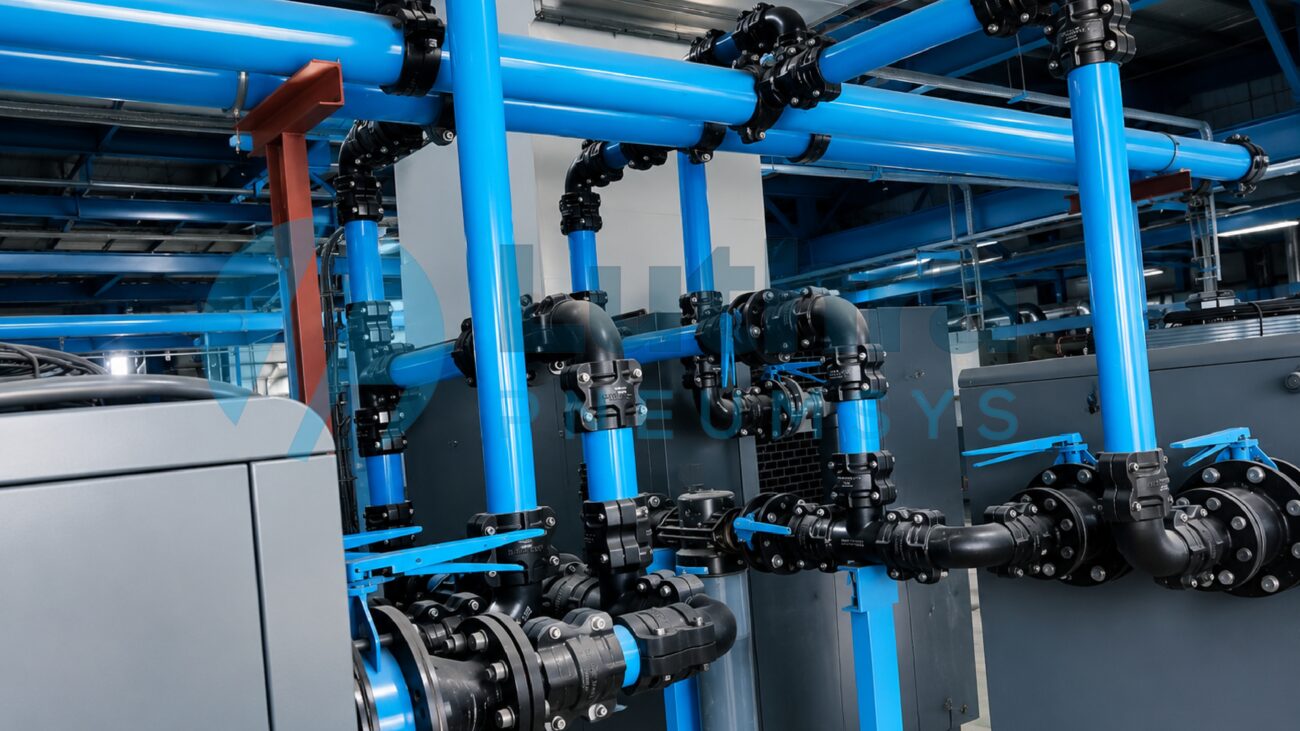
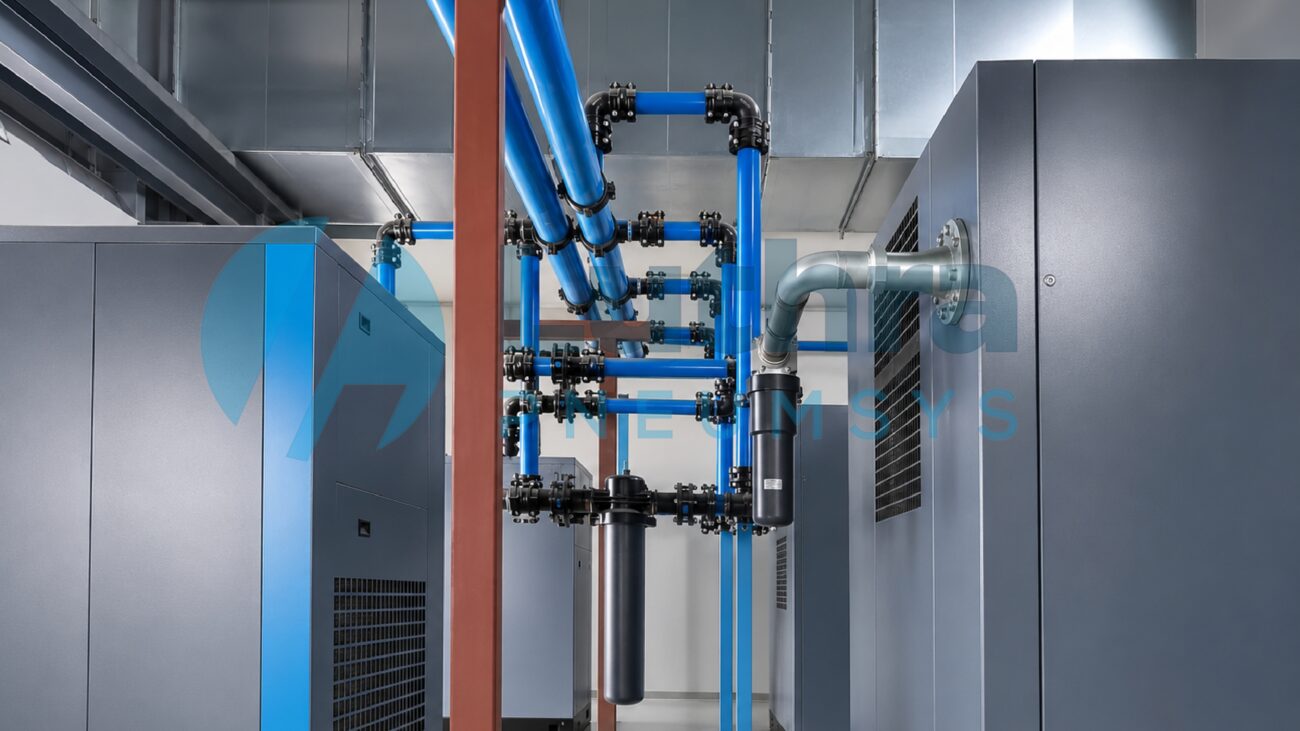
Compressed air piping refers to the network of pipes used to transport compressed air from compressors to various points of use within a facility. This compressed air piping system acts as the backbone of pneumatic operations and must be designed with precision for consistent pressure and airflow.
An efficient compressed air piping system helps industries avoid pressure fluctuations that can affect machine performance. Poorly designed compressed air piping often leads to leaks, condensation, contamination, and unnecessary energy costs. This directly impacts production quality and operational expenses.
The right compressed air piping design ensures equal pressure distribution throughout the facility. It also reduces compressor workload, which improves equipment lifespan and lowers electricity consumption. A professionally managed compressed air piping system becomes a long-term asset for industrial growth.
Industries in India increasingly recognize that investing in high-quality compressed air piping is not an expense but a strategic decision. With proper planning, the compressed air piping system improves plant reliability and supports uninterrupted workflow.
Key Components of a Compressed Air Piping System
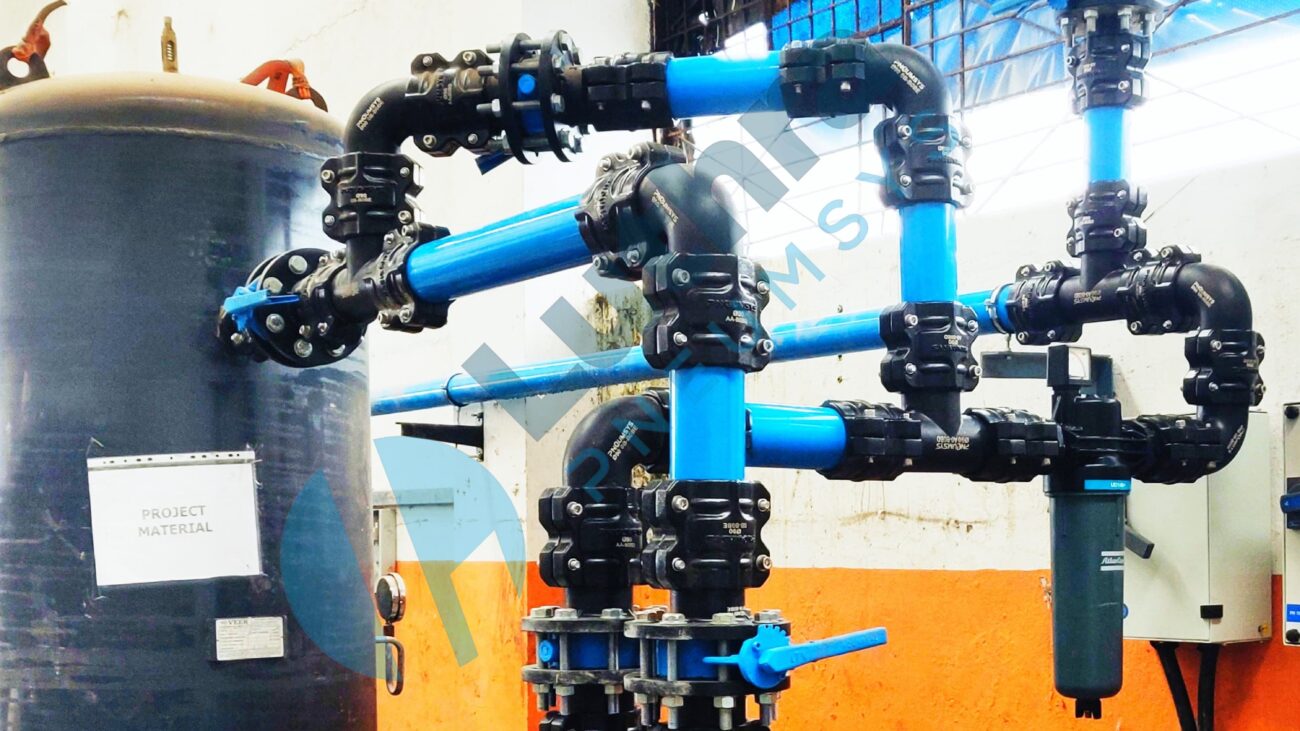
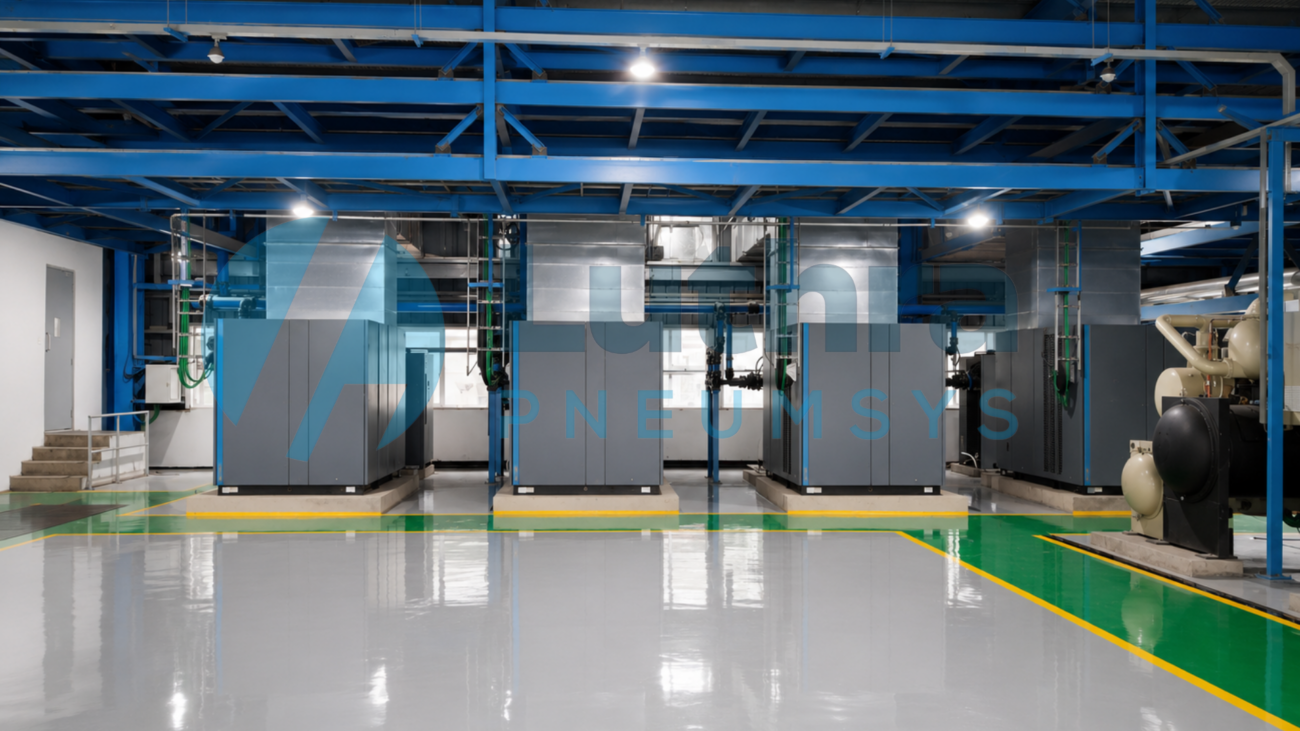
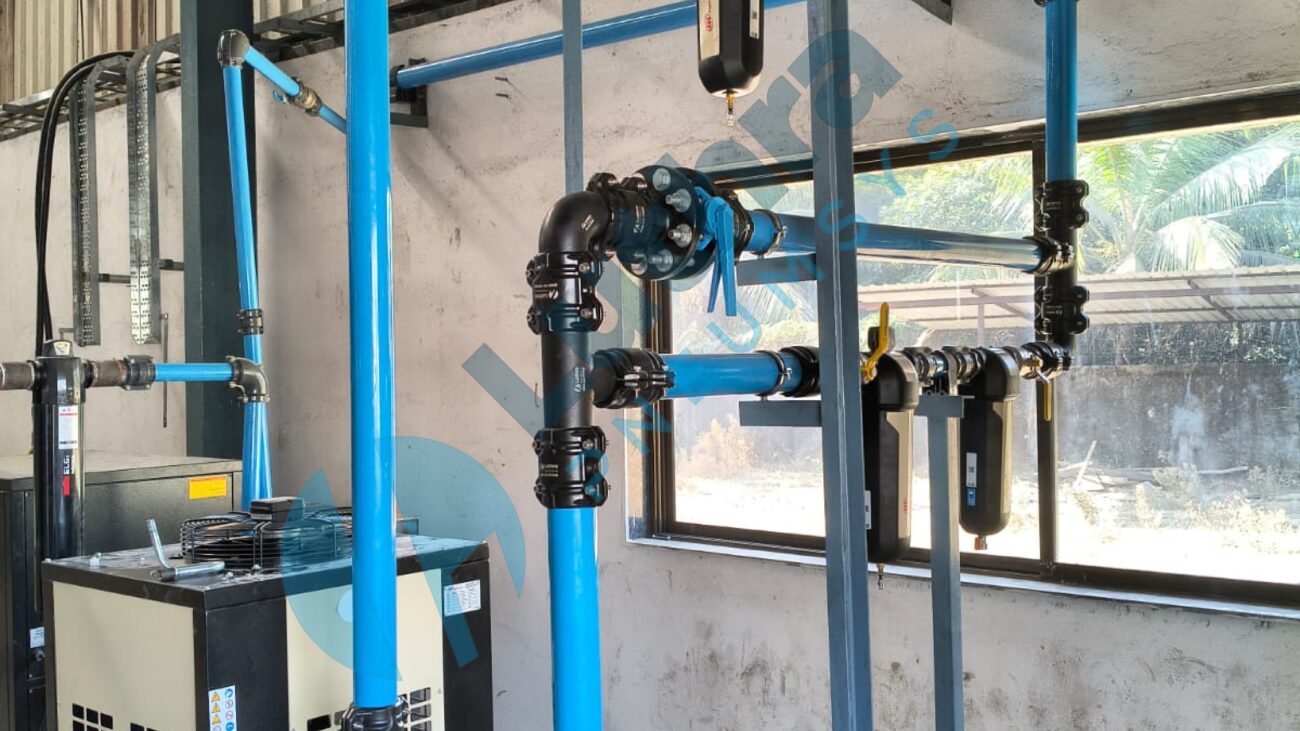
A complete compressed air piping system includes several important components that work together for efficient air delivery. The compressor generates the air, while dryers and filters ensure the air remains clean and moisture-free before entering the compressed air piping network.
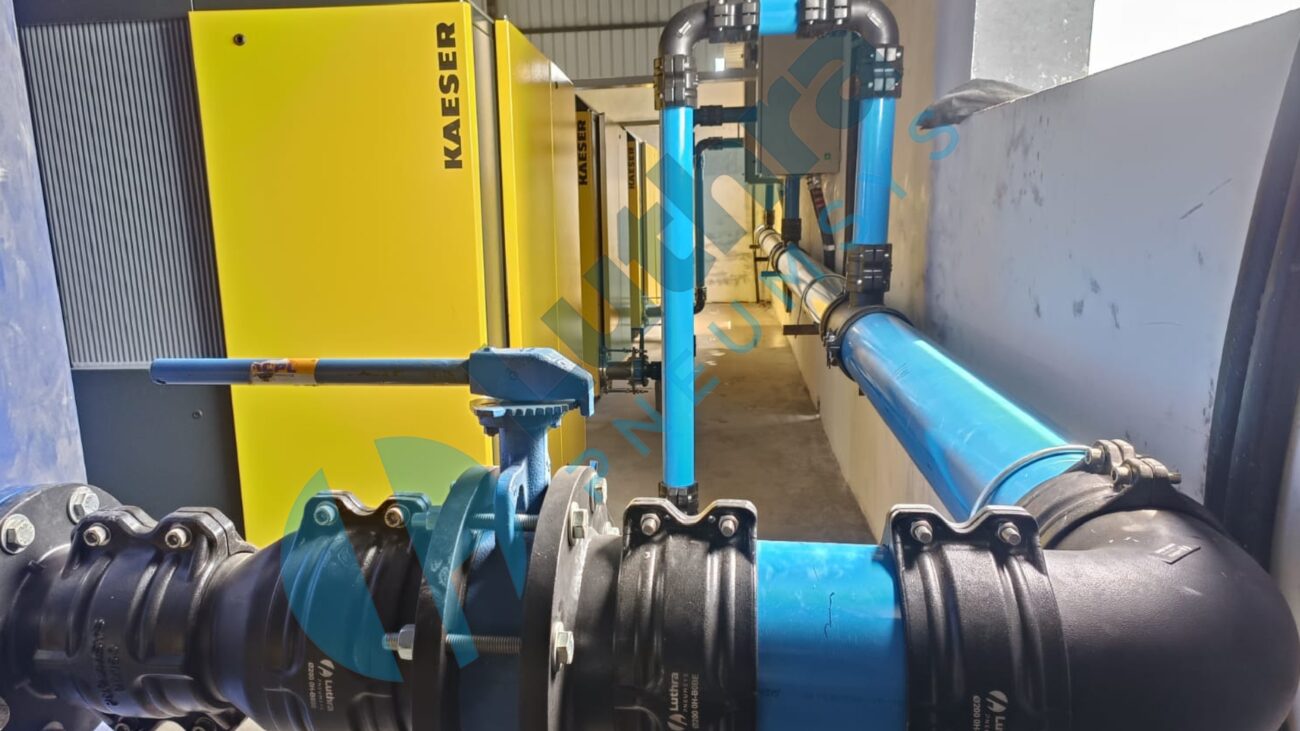
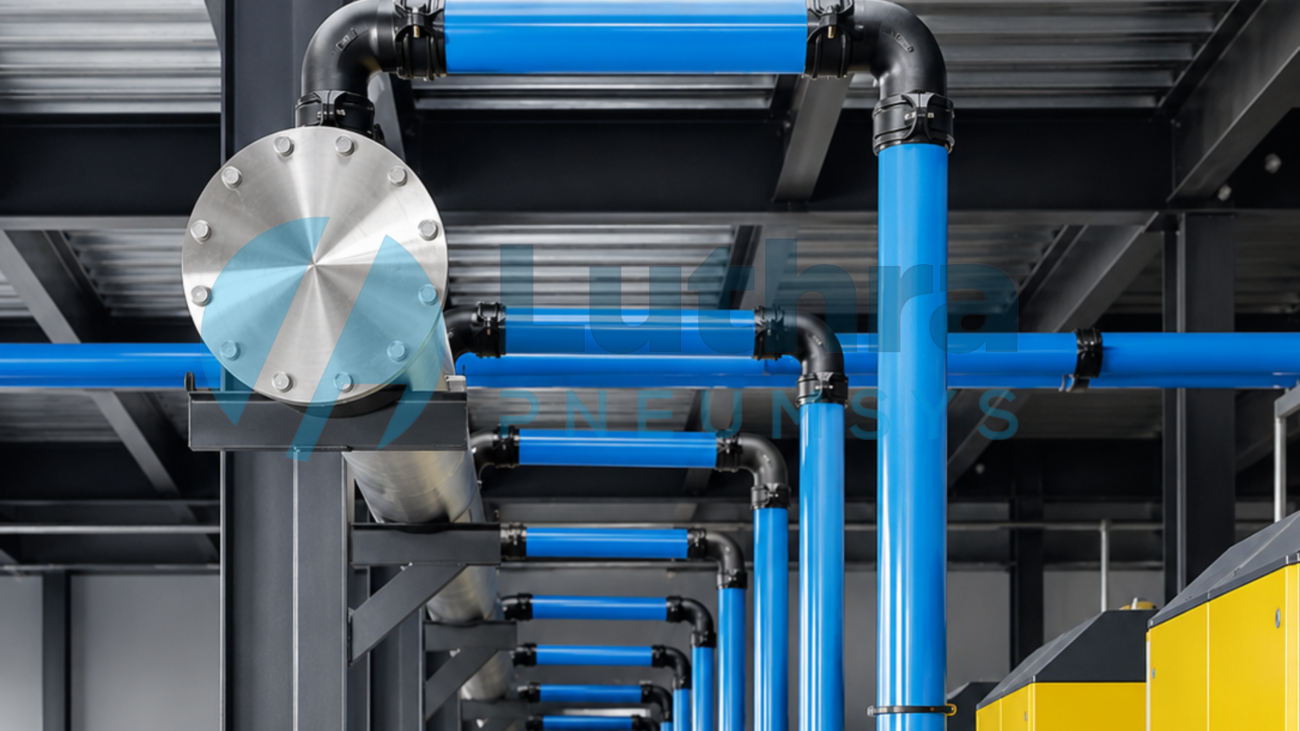
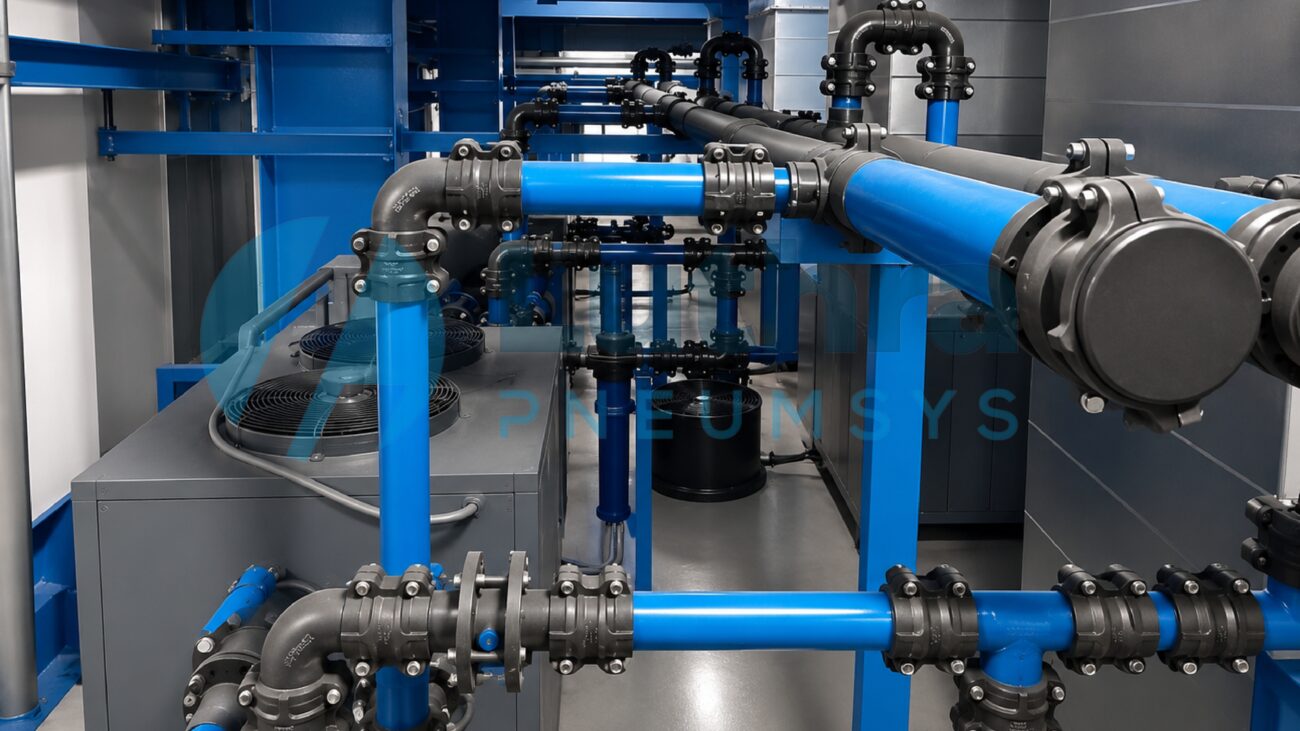
Main distribution lines form the central path of the compressed air piping system. These lines carry air across the plant and connect to branch lines that supply specific machines or departments. The layout of compressed air piping must be carefully planned to reduce pressure drops and maximize efficiency.
Pipe materials also play a major role in compressed air piping performance. Aluminum, stainless steel, galvanized steel, and specialized industrial piping materials are commonly used depending on industry requirements. Each compressed air piping system requires material selection based on pressure demands, environmental conditions, and maintenance expectations.
Valves, connectors, drains, and regulators are also essential in compressed air piping systems. These components ensure safe control, leak prevention, and smooth operation. Every detail in the compressed air piping setup contributes to the overall efficiency of the plant.
Why Proper Compressed Air Piping Design Matters
Proper compressed air piping design directly affects system efficiency and operational cost. A poorly designed compressed air piping system can create unnecessary pressure loss, forcing compressors to work harder and increasing energy bills significantly.
The layout of compressed air piping should support balanced airflow across the entire facility. Loop systems are often preferred because they allow air to flow from multiple directions, reducing pressure drop and improving consistency. This type of compressed air piping system is ideal for large industrial setups.
Slope design is another critical factor in compressed air piping. Proper pipe slopes help manage moisture and prevent water accumulation inside the compressed air piping system. This protects sensitive equipment and improves air quality across the plant.
Future expansion should also be considered when designing compressed air piping. A flexible compressed air piping system allows businesses to scale operations without complete redesigns. This makes professional planning highly valuable for long-term industrial success.
Benefits of High-Quality Compressed Air Piping
A reliable compressed air piping system offers multiple operational and financial benefits. One of the biggest advantages is improved energy efficiency. Leak-free compressed air piping reduces wasted air and minimizes compressor load, resulting in significant cost savings.
High-quality compressed air piping also improves machine performance by maintaining stable air pressure. Consistent airflow supports better production quality, especially in industries where precision and automation are essential. This makes the compressed air piping system a critical productivity factor.
Corrosion-resistant compressed air piping materials reduce contamination risks and maintenance issues. Clean compressed air is especially important in pharmaceutical, food processing, and electronics industries where product quality standards are strict.
Another major benefit of a strong compressed air piping system is reduced downtime. Fewer leaks, fewer repairs, and better system control lead to smoother plant operations. This reliability supports business continuity and higher production output.
Industries That Depend on Compressed Air Piping in India
Manufacturing industries across India heavily rely on compressed air piping for machine operation, assembly lines, packaging systems, and pneumatic tools. Without a stable compressed air piping system, production efficiency can decline quickly.
Automotive plants use compressed air piping systems for robotic operations, painting processes, and assembly tools. Reliable compressed air piping ensures precise performance and uninterrupted manufacturing cycles in these high-demand environments.
Food and beverage industries require clean compressed air piping to maintain hygiene standards. Moisture-free and contaminant-free compressed air piping systems help support safe packaging, filling, and processing operations.
Pharmaceutical companies also depend on specialized compressed air piping systems for sterile production environments. In these sectors, properly designed compressed air piping ensures compliance, safety, and operational excellence.
Choosing the Right Material for Compressed Air Piping
Selecting the correct material is essential for the performance of any compressed air piping system. Aluminum compressed air piping is widely preferred because it is lightweight, corrosion-resistant, and easy to install. It also supports clean airflow and long-term efficiency.
Stainless steel compressed air piping is commonly used in industries where hygiene and corrosion resistance are critical. Pharmaceutical and food industries often prefer this compressed air piping material for high-purity applications.
Galvanized steel has traditionally been used for compressed air piping systems, but it may develop internal corrosion over time. This can affect air quality and system efficiency, making modern alternatives more attractive for long-term use.
Copper compressed air piping is another option for certain specialized industries. The right material depends on pressure requirements, environmental exposure, and maintenance expectations. A professional compressed air piping provider helps ensure the best choice.
Installation Process of a Compressed Air Piping System
The installation of a compressed air piping system begins with a detailed site assessment. Engineers study compressor capacity, machine locations, airflow demands, and plant layout to create the most efficient compressed air piping plan.
After design approval, material selection and routing decisions are finalized. The compressed air piping system is then installed using precise alignment and secure connections to prevent future leaks or pressure loss.
Proper support structures are important during compressed air piping installation. Secure mounting prevents vibration damage and improves system durability. Attention to pipe slope and drainage points also protects the compressed air piping system from moisture problems.
Testing is the final step in compressed air piping installation. Leak checks, pressure validation, and airflow performance analysis ensure the compressed air piping system operates efficiently before full production begins.
Maintenance Tips for Compressed Air Piping Systems
Regular maintenance keeps compressed air piping systems operating at peak performance. Leak detection should be a routine priority because even small leaks in compressed air piping can result in major energy losses over time.
Filters and dryers connected to the compressed air piping system should be inspected frequently. Clean filtration ensures moisture-free and contaminant-free air delivery, protecting machines and maintaining production quality.
Drain points must also be checked regularly in compressed air piping systems. Moisture accumulation can damage tools and reduce efficiency, so proper drainage is essential for long-term system health.
Periodic professional inspections help identify hidden issues before they become expensive problems. Preventive maintenance improves the life of the compressed air piping system and protects the overall productivity of the facility.
Why Businesses Choose Luthra Pneumsys for Compressed Air Piping
Luthra Pneumsys provides reliable compressed air piping solutions tailored for industrial needs across India. Their expertise in compressed air piping system design and installation helps businesses achieve operational efficiency and energy savings.
Every compressed air piping project is handled with attention to quality, safety, and performance. From small production units to large industrial plants, the company delivers customized compressed air piping systems that match exact operational requirements.
Their technical team understands the challenges industries face with pressure drops, leaks, and maintenance issues. By offering advanced compressed air piping solutions, they help clients improve productivity and reduce downtime.
With a focus on durability and professional execution, Luthra Pneumsys supports businesses looking for long-term compressed air piping system performance. Their solutions are designed to meet modern industrial standards with dependable results.
FAQs About Compressed Air Piping and Compressed Air Piping System
Q1. What is compressed air piping?
Compressed air piping is the network of pipes used to transport compressed air from compressors to machines and equipment across an industrial facility. It ensures efficient air delivery for pneumatic operations.
Q2. Why is a compressed air piping system important?
A compressed air piping system is important because it maintains stable pressure, reduces energy waste, prevents contamination, and supports smooth industrial operations with reliable airflow.
Q3. Which material is best for compressed air piping?
Aluminum and stainless steel are commonly preferred for compressed air piping because they offer corrosion resistance, durability, and better long-term efficiency compared to traditional materials.
Q4. How can pressure drop be reduced in compressed air piping?
Pressure drop can be reduced by using proper pipe sizing, loop system layouts, leak prevention, moisture control, and professional compressed air piping system design.
Q5. How often should a compressed air piping system be maintained?
A compressed air piping system should be inspected regularly, with routine checks for leaks, filter performance, drainage, and pressure consistency to maintain maximum efficiency.
Conclusion
A well-designed compressed air piping system is a powerful asset for any industrial operation in India. From improving efficiency to reducing downtime and controlling energy costs, compressed air piping supports every stage of modern production.
Choosing the right compressed air piping solution means investing in reliability, performance, and future growth. Proper design, quality materials, and expert installation make a major difference in how the compressed air piping system performs over time.
Industries that prioritize advanced compressed air piping systems gain stronger productivity, better machine performance, and lower long-term operational costs. This makes compressed air piping a strategic infrastructure decision rather than a simple utility installation.
For businesses seeking dependable compressed air piping services, Luthra Pneumsys delivers trusted solutions built for industrial excellence. Their expertise ensures every compressed air piping system performs with efficiency, durability, and long-term value.