A reliable air compressor piping network is the backbone of every industrial compressed air installation. Whether you operate a manufacturing plant, automotive workshop, pharmaceutical facility, or food processing unit, the quality of your air compressor piping system directly affects productivity, energy efficiency, and equipment lifespan. An intelligently designed piping system ensures consistent air pressure, reduces leaks, minimizes maintenance costs, and delivers clean compressed air throughout your facility.
At Luthra Pneumsys, we specialize in designing and installing customized compressed air piping solutions across India. Our systems are engineered to maximize airflow while reducing pressure loss, helping industries achieve higher operational efficiency with long-term reliability.
Why an Air Compressor Piping System Matters?
An industrial compressor can only perform as well as its distribution network. A poorly designed air compressor piping layout causes pressure drops, uneven airflow, moisture accumulation, and unnecessary energy consumption. These issues increase operating costs and reduce the efficiency of pneumatic machinery.
A professionally engineered air compressor piping system distributes compressed air evenly across all workstations while maintaining stable pressure. This improves machine performance, lowers downtime, and ensures every pneumatic tool receives the airflow it requires.
Modern industries are increasingly investing in advanced aluminum and galvanized piping systems because they offer corrosion resistance, smoother airflow, and easier expansion compared to conventional steel pipelines.
Key Components of an Air Compressor Piping System
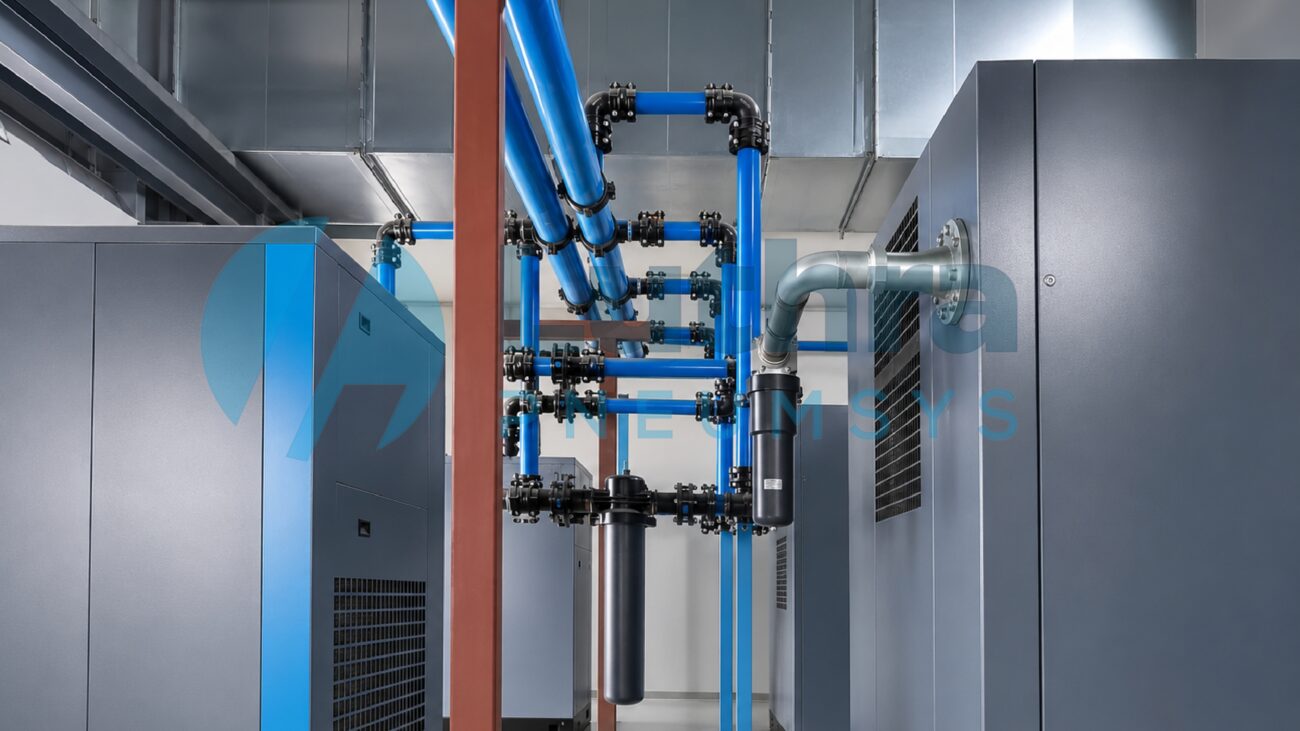
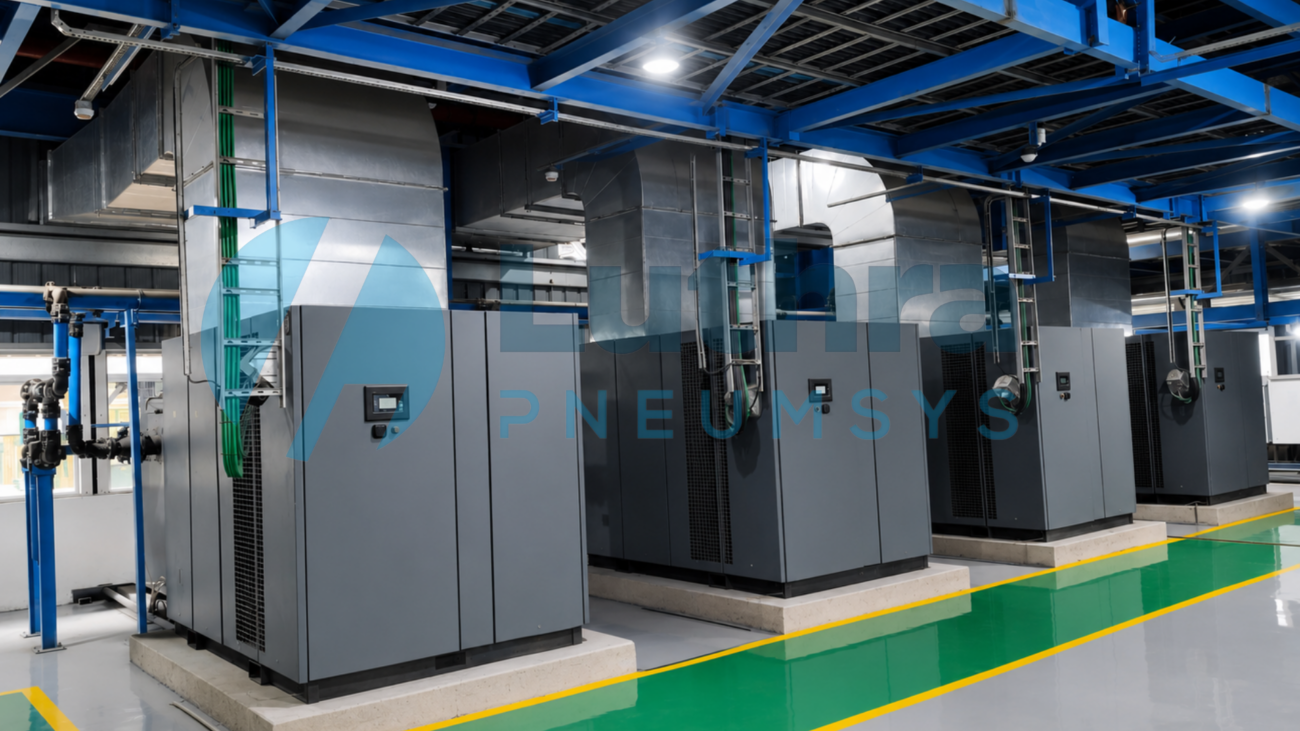
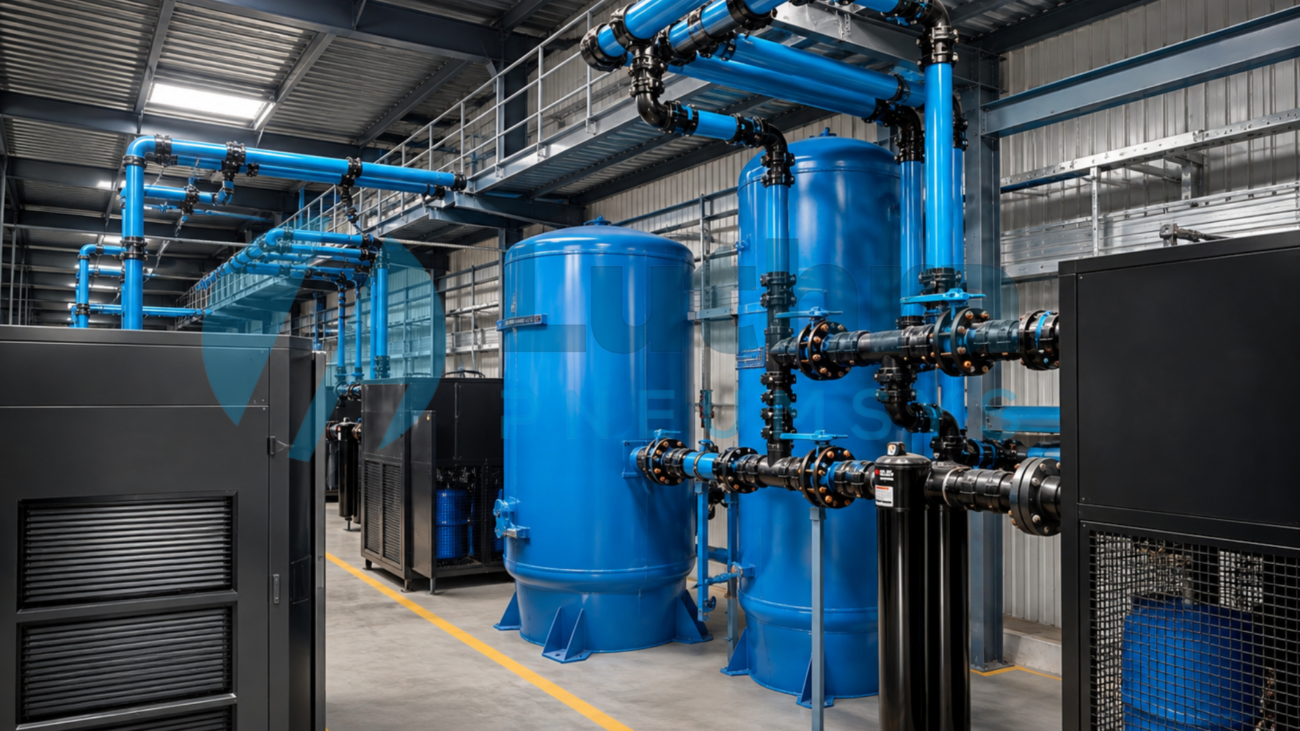
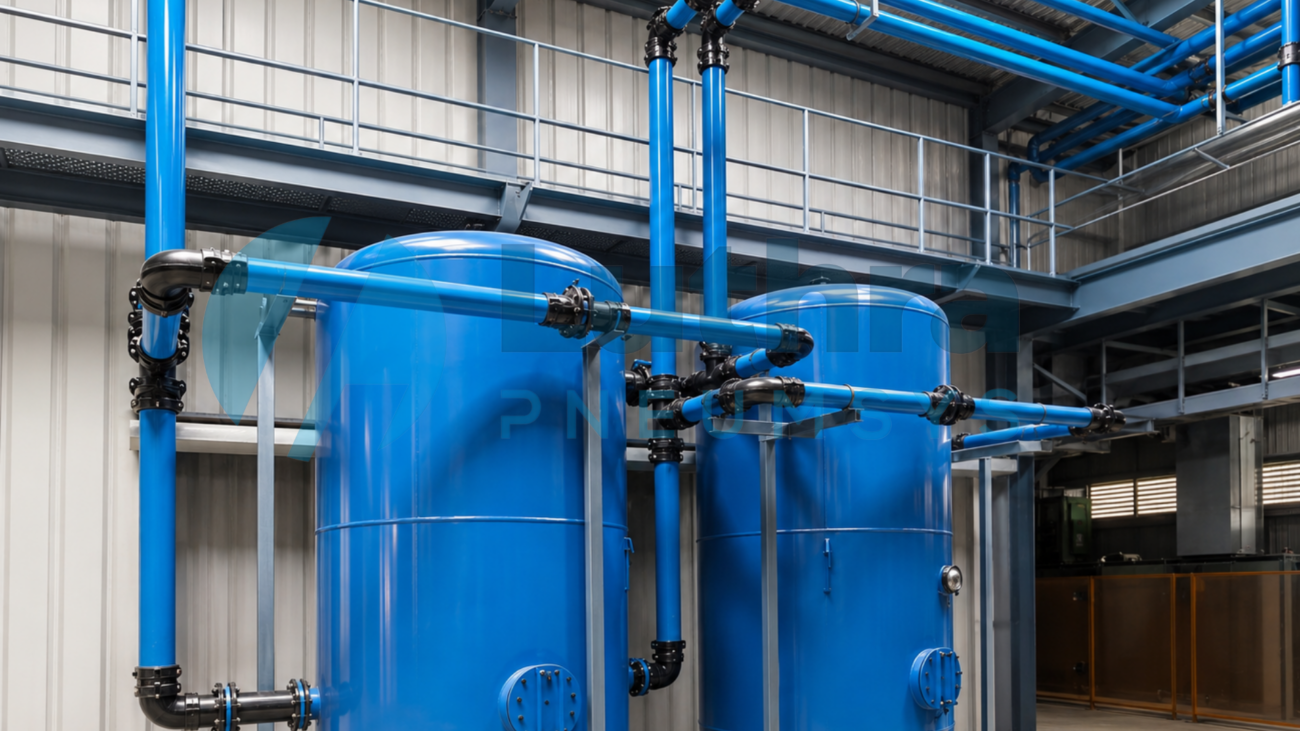
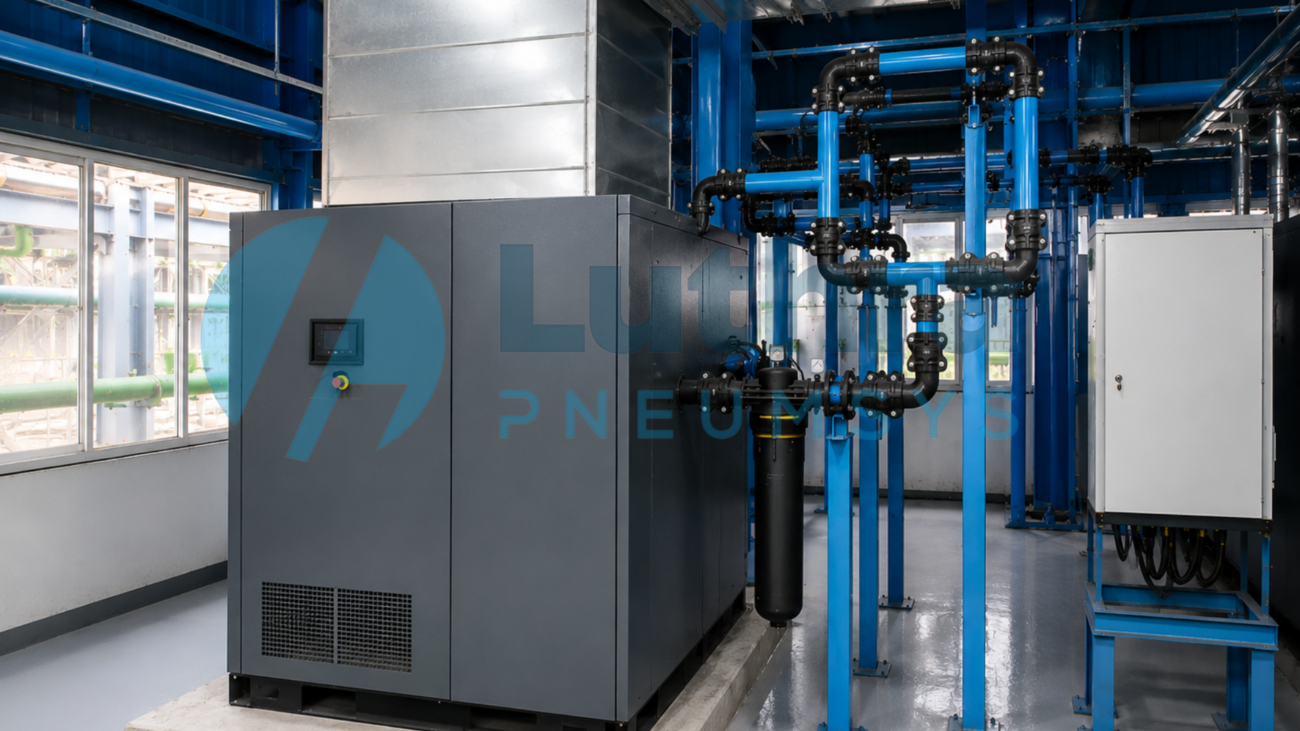
Every efficient air compressor piping system consists of carefully integrated components that work together to maintain airflow quality and pressure stability. The compressor generates compressed air, while dryers and filters remove moisture and contaminants before the air enters the piping network.
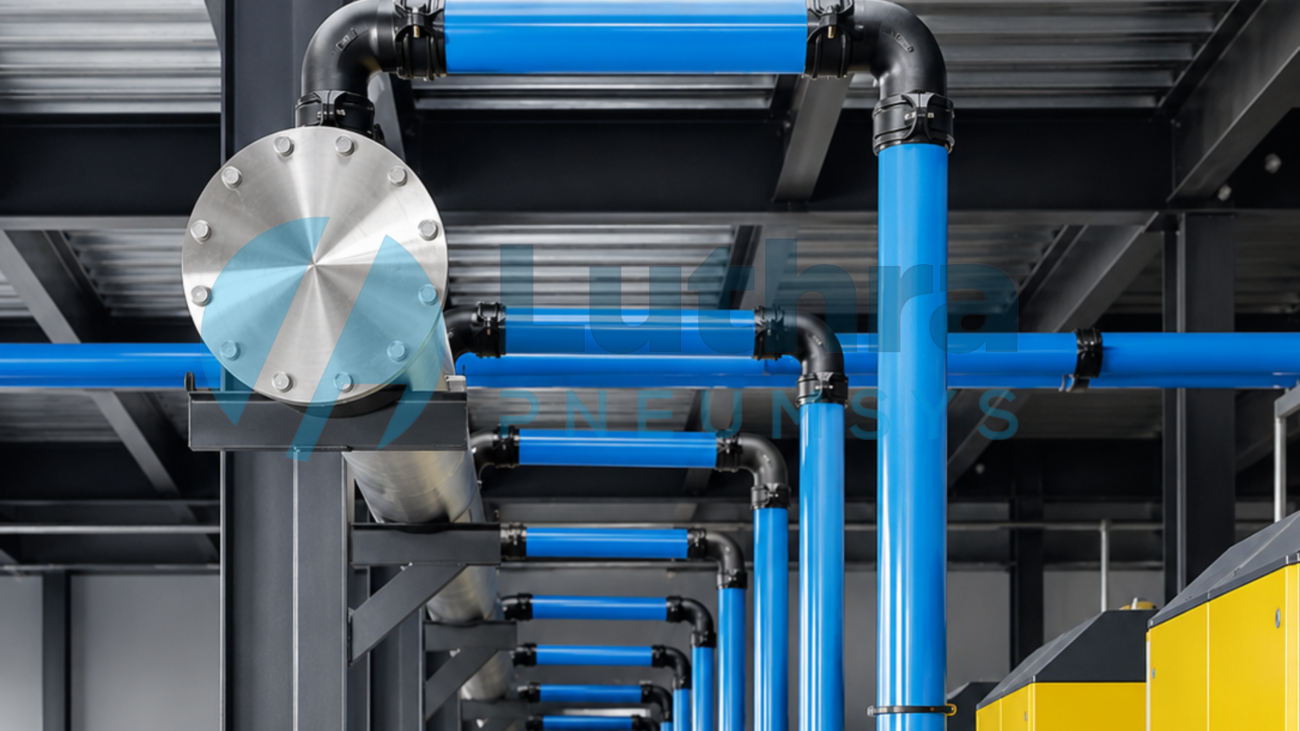
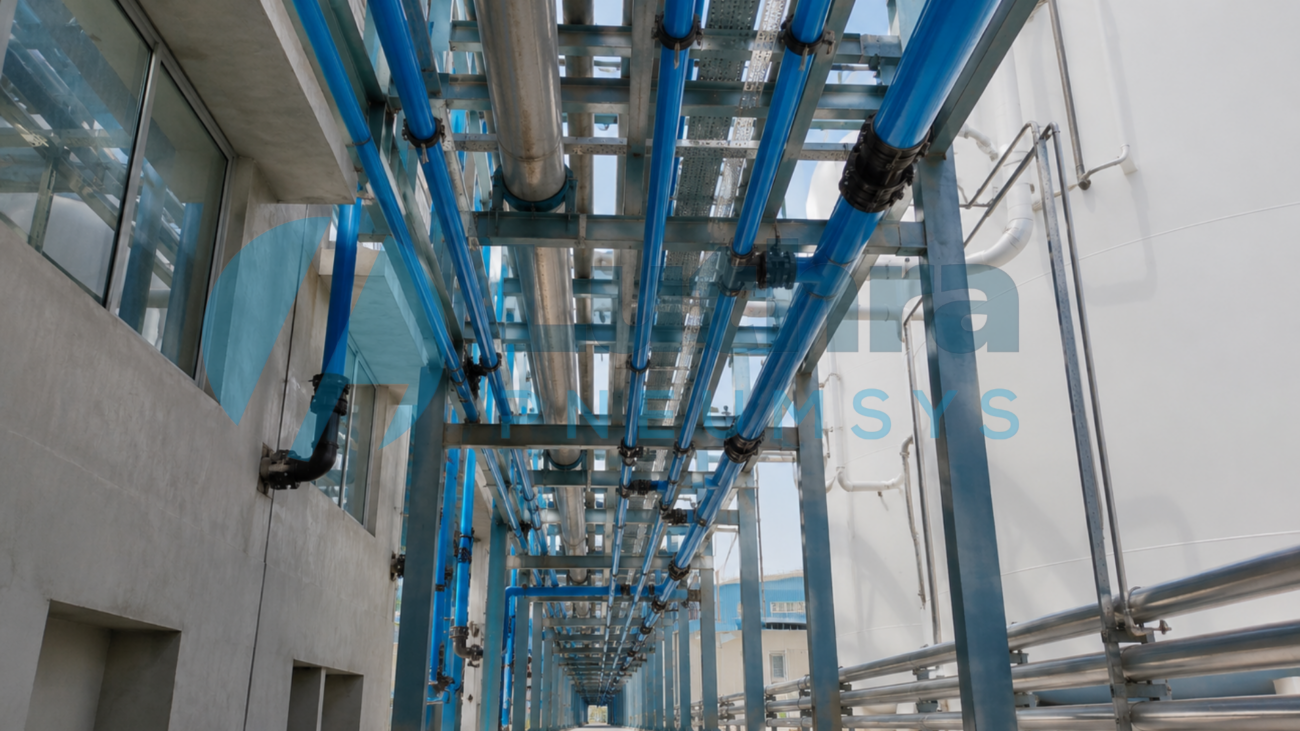
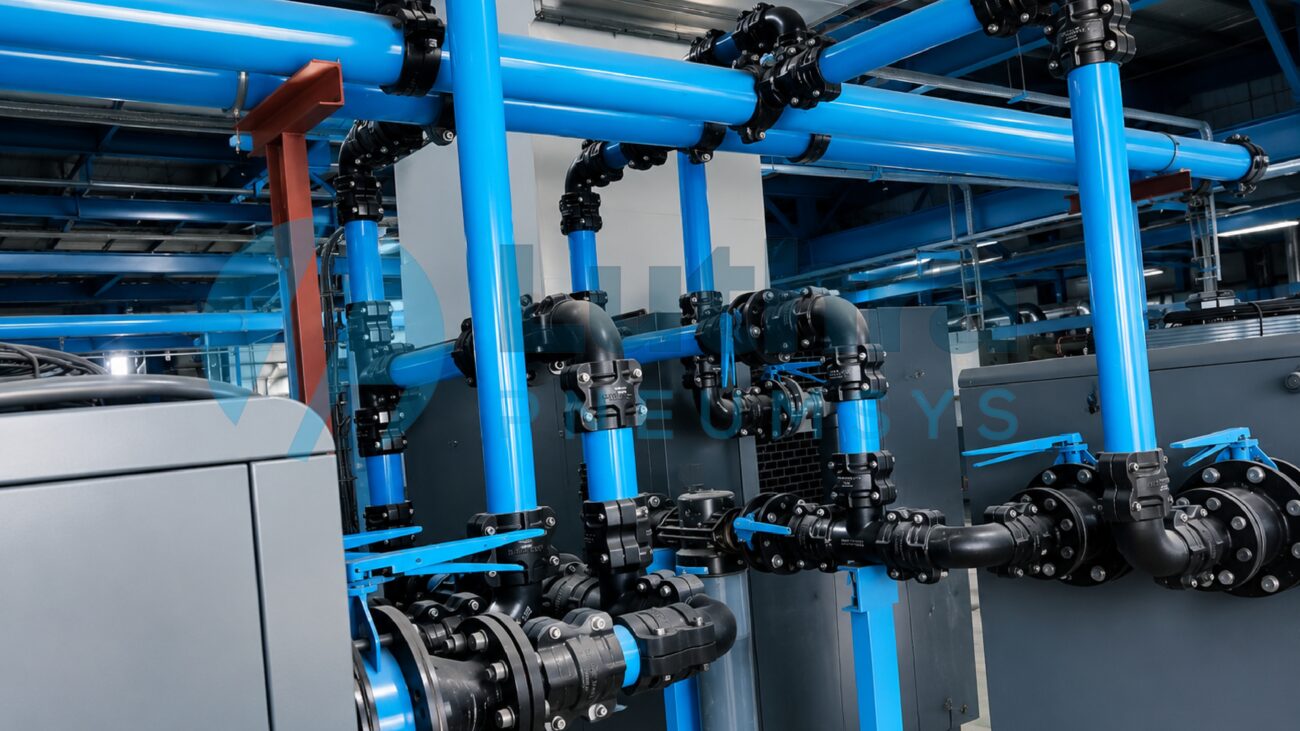
The piping itself forms the distribution backbone, delivering air to production areas through strategically placed branch lines. Pressure regulators ensure consistent delivery at each workstation, while valves and fittings simplify maintenance and future system modifications.
Selecting premium-quality materials for air compressor piping significantly improves durability and reduces the risk of corrosion, leaks, and pressure fluctuations over time.
Benefits of Professional Air Compressor Piping Installation
A professionally installed air compressor piping solution delivers measurable advantages for industrial facilities. One of the biggest benefits is reduced pressure loss, allowing compressors to operate more efficiently and consume less electricity during production.
An optimized air compressor piping system also minimizes air leakage, which is one of the leading causes of wasted energy in manufacturing plants. Even small leaks can increase energy costs substantially over time, making proper installation a valuable long-term investment.
Additionally, high-quality piping systems improve air purity by preventing internal corrosion and contamination. This is especially important in industries where compressed air comes into contact with sensitive equipment or production processes.
Choosing the Right Material for Air Compressor Piping
Material selection plays a crucial role in the performance of an air compressor piping system. Aluminum piping has become one of the preferred choices because it is lightweight, corrosion-resistant, and provides exceptionally smooth internal surfaces that reduce airflow resistance.
Galvanized steel remains suitable for heavy industrial environments where mechanical strength is essential. Stainless steel is often selected for pharmaceutical and food-grade applications due to its superior hygiene and corrosion resistance.
The right air compressor piping material depends on operating pressure, environmental conditions, budget, and future expansion plans. A customized engineering approach ensures optimal performance for every facility.
Industries That Need Air Compressor Piping Systems
Nearly every industrial sector relies on an efficient air compressor piping system for daily operations. Manufacturing facilities use compressed air for automation, assembly lines, pneumatic cylinders, and production machinery.
Automotive industries depend on reliable air compressor piping for spray painting, tire inflation, robotic assembly, and maintenance operations. Textile plants utilize compressed air for spinning and weaving processes, while pharmaceutical companies require clean, dry air for packaging and precision manufacturing.
Food and beverage industries also benefit from hygienic compressed air distribution systems that maintain product safety while supporting automated processing equipment.
Common Problems Caused by Poor Piping Design
Improper air compressor piping design often leads to excessive pressure drops that reduce machine efficiency and increase compressor workload. When airflow is restricted, compressors run longer to achieve desired pressure, resulting in higher electricity consumption.
Moisture accumulation inside an inadequate air compressor piping system can damage pneumatic tools, contaminate products, and accelerate internal corrosion. Incorrect pipe sizing may also create uneven airflow between departments, affecting production consistency.
Poor routing, excessive bends, and low-quality fittings further increase turbulence and leakage, making professional system design essential for long-term operational success.
How Does Luthra Pneumsys Delivers Reliable Piping Solutions?
At Luthra Pneumsys, every air compressor piping system is designed after evaluating airflow demand, compressor capacity, plant layout, and future expansion requirements. Our engineering team develops customized piping networks that maximize efficiency while minimizing pressure loss.
We use premium-quality components, precision fittings, and advanced installation techniques to ensure leak-free performance. Every air compressor piping project undergoes rigorous testing for pressure integrity and airflow optimization before commissioning.
From new installations to complete piping upgrades, our solutions are tailored to improve productivity, reduce maintenance costs, and enhance overall energy efficiency across industrial facilities throughout India.
Maintenance Tips for Long-Term Performance
Regular maintenance keeps an air compressor piping system operating at peak efficiency. Periodic leak inspections help identify energy losses before they become costly operational issues. Cleaning filters and maintaining air dryers prevents moisture from entering the distribution network.
Routine inspection of valves, joints, and fittings extends the life of your air compressor piping while ensuring consistent airflow throughout the facility. Monitoring pressure levels at different workstations also helps detect hidden restrictions or developing leaks.
A preventive maintenance strategy not only improves reliability but also protects valuable pneumatic equipment from premature wear and unexpected downtime.
Why Invest in a Modern Air Compressor Piping System?
A modern air compressor piping system is more than just a network of pipes—it is an investment in operational efficiency, energy savings, and sustainable industrial performance. Businesses that upgrade outdated piping often experience reduced compressor load, lower electricity bills, and improved production consistency.
Choosing expert air compressor piping installation from Luthra Pneumsys ensures your compressed air infrastructure is designed for today’s demands while remaining scalable for tomorrow’s growth. With precision engineering and high-quality materials, your facility benefits from dependable compressed air distribution for years to come.
Frequently Asked Questions (FAQs)
1. What is an air compressor piping system?
An air compressor piping system is a network of pipes, fittings, valves, and accessories that distributes compressed air from the compressor to various machines and workstations within an industrial facility.
2. Why is proper air compressor piping important?
Proper air compressor piping reduces pressure loss, minimizes air leakage, improves energy efficiency, and ensures consistent airflow for pneumatic equipment.
3. Which piping material is best for compressed air?
Aluminum is widely preferred for modern air compressor piping system installations because it is corrosion-resistant, lightweight, and offers smooth airflow with minimal pressure drop.
4. How can I reduce pressure loss in my piping system?
Using correctly sized pipes, minimizing sharp bends, installing quality fittings, and designing an optimized air compressor piping layout significantly reduces pressure loss.
5. Does Luthra Pneumsys provide customized piping solutions in India?
Yes. Luthra Pneumsys designs, installs, and upgrades customized air compressor piping system solutions for diverse industrial applications across India.